Essential Tips for Choosing a Laser Cutter for Your Business?
Choosing the right Laser Cutter for your business is crucial. The global laser cutting market is projected to reach $7.74 billion by 2026, with industrial applications driving much of this growth. As you explore your options, consider the specific needs of your operations. The right laser cutter can enhance productivity, but selecting one requires knowledge and understanding.
Different models serve various purposes. For example, CO2 laser cutters are ideal for non-metal materials, while fiber lasers excel with metals. Manufacturers must evaluate their materials and production volume. Reports show that 70% of businesses value speed and precision in their cutting solutions. Despite the advancements, many still face challenges in choosing the right equipment.
It's essential to assess not just the specifications but also after-sales support and maintenance services. Industry studies indicate that 30% of business owners regret their initial choice, often due to inadequate research. The stakes are high, and making an informed decision can save costs and ensure long-term success.
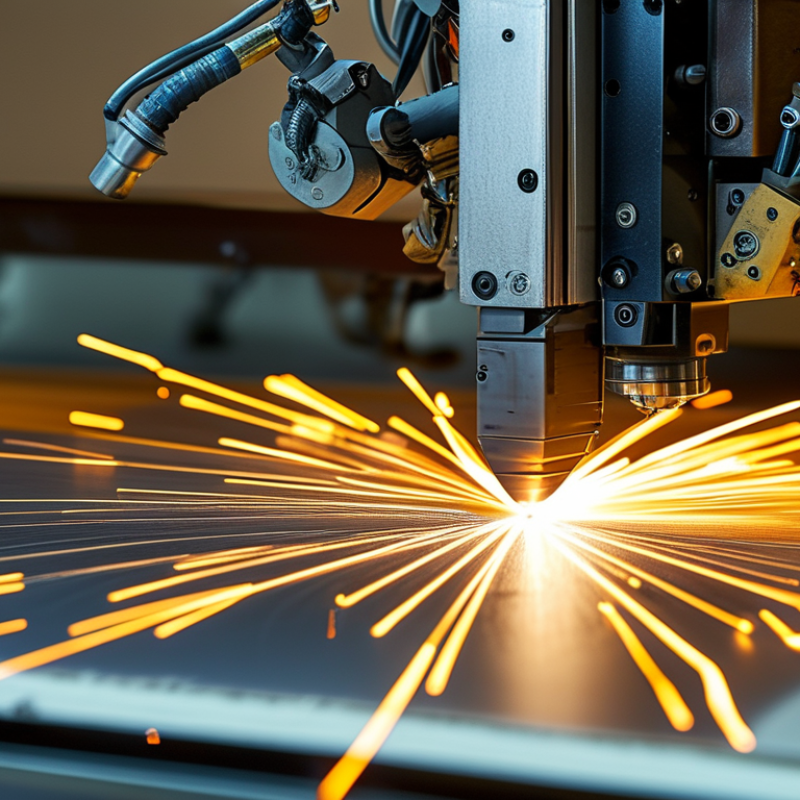
Understanding Your Business Needs for a Laser Cutter Selection
When selecting a laser cutter, it’s crucial to understand your specific business needs. Begin by defining what materials you plan to work with. Different lasers excel in cutting various materials such as acrylic, wood, or metal. Knowing your primary applications will guide you to the right machine.
Consider your production volume as well. Are you producing items in small batches or large quantities? If high throughput is essential, a more powerful and efficient laser cutter may be necessary. Evaluate the shift between speed and precision. Sometimes, a faster machine may compromise detailed cuts.
Don’t overlook the workspace aspect. Laser cutters can be bulky. Measure your available space before purchasing. Think about ventilation and safety requirements too. Reflect on how easy it is to operate and maintain. If you are not tech-savvy, a user-friendly option could save time and reduce frustration. Each of these factors ties back to your overall satisfaction and efficiency in using the laser cutter.
Evaluating Different Types of Laser Cutters Based on Material Compatibility
Choosing the right laser cutter for your business involves more than just looking at price and features. Material compatibility is critical. Different materials require specific types of laser cutters. For example, CO2 lasers are best for organic materials, plastics, and glass, while fiber lasers excel with metals. According to a report by the Laser Institute of America, CO2 lasers account for up to 90% of the market when cutting non-metallic materials.
Understanding the capabilities of your chosen machine is essential. Some models may struggle with thicker materials or high-speed cutting. Research shows that businesses often overlook these constraints, which can lead to operational inefficiencies. For firms processing various materials, a versatile machine might be more beneficial, albeit at a higher initial cost.
Compatibility also includes factors like wattage and speed. Higher wattage means better cutting speed and deeper penetration. However, the energy consumption can increase significantly. Data indicates that energy costs can rise by 30% with inadequate energy-efficient machines. This trade-off must be considered carefully. Awareness and research are essential to align laser cutter capabilities with the intended applications to maximize productivity and material yield.
Essential Tips for Choosing a Laser Cutter for Your Business
| Laser Cutter Type | Material Compatibility | Max Cutting Thickness | Average Price Range | Best For |
| CO2 Laser Cutters | Wood, Acrylic, Leather, Paper | 20 mm | $3,000 - $10,000 | Signage, Prototyping |
| Fiber Laser Cutters | Metal, Stainless Steel, Aluminum | 10 mm | $5,000 - $20,000 | Metal Fabrication, Automotive Parts |
| Nd:YAG Laser Cutters | Metal, Graphite, Ceramics | 5 mm | $10,000 - $50,000 | Industrial Applications, Jewelry |
| Diode Laser Cutters | Wood, Paper, Fabric | 3 mm | $500 - $2,000 | Hobby, Small Projects |
Assessing Power and Speed: Key Metrics for Laser Cutter Performance
When selecting a laser cutter, understanding power and speed is crucial. These two metrics significantly influence the efficiency and quality of the cutting process. A higher wattage typically provides more power, allowing for cuts in thicker materials. For instance, a report by the Laser Institute of America states that a 100-watt laser can cut through ¼ inch of acrylic efficiently. However, businesses must balance power with operational costs.
Speed is another key metric to consider. It dictates how quickly a laser cutter can process material. For example, the cutting speed of a 60-watt CO2 laser can reach up to 35 inches per minute on thinner substrates but may slow significantly on thick materials. A study from the International Journal of Machine Tools and Manufacture emphasizes that high-speed cutting can lead to reduced cutting quality, necessitating a careful evaluation.
Choosing the right combination of power and speed requires an understanding of your specific applications. It's important to analyze how different materials respond to varied settings. Experimentation may reveal that a slightly lower speed provides a cleaner edge on certain materials, even if it takes a bit longer. This nuanced approach can lead to better results and may improve your overall production efficiency.
Considering Budget Constraints and Total Cost of Ownership in Selection
When choosing a laser cutter, budget constraints play a vital role. It's not just about the initial investment. The total cost of ownership affects long-term financial planning. Consider the machine's energy consumption. A more efficient cutter may cost more upfront but save money on electricity bills over time. This benefit adds up quickly, particularly for high-volume businesses.
Maintenance is another critical factor. Some machines require frequent service, while others have a longer lifespan with less need for repairs. An extensive warranty can be a lifesaver. Look for options that provide adequate coverage for parts and labor. This can help reduce unexpected expenses.
Software costs also matter. Some machines include software, while others require extra purchases. Make sure to factor that into your budget. Training for your staff is essential too. Consider whether the machine’s operation requires specialized skills. This could influence hiring or additional training costs. All these elements shape the true cost of ownership for your laser cutter.
Cost Comparison of Different Laser Cutters
Researching Customer Support and Warranty Options for Laser Cutters
When selecting a laser cutter for your business, examining customer support and warranty options is crucial. Research shows that more than 70% of businesses prioritize a strong support system when choosing equipment. This is not surprising, as laser cutters can be complex and require technical knowledge for optimal use. A reliable customer support team can provide assistance during setup, troubleshooting, and ongoing maintenance.
Consider the warranty length and coverage. A recent industry survey found that 65% of laser cutting machine users encountered issues within the first year of use. A comprehensive warranty can make a significant difference. Look for options that cover parts and labor, as well as technical support. It's important to know what you’re entitled to if problems arise.
Furthermore, assess how responsive customer service is. Quick response times can alleviate downtime. Some manufacturers offer online resources or training. This can be an advantage, especially in urgent situations. High-quality support can lead to better machine performance and increased productivity. When comparing options, weigh these factors carefully to ensure they meet your business needs.