Why Are Sea Containers Essential for Global Trade and Shipping?
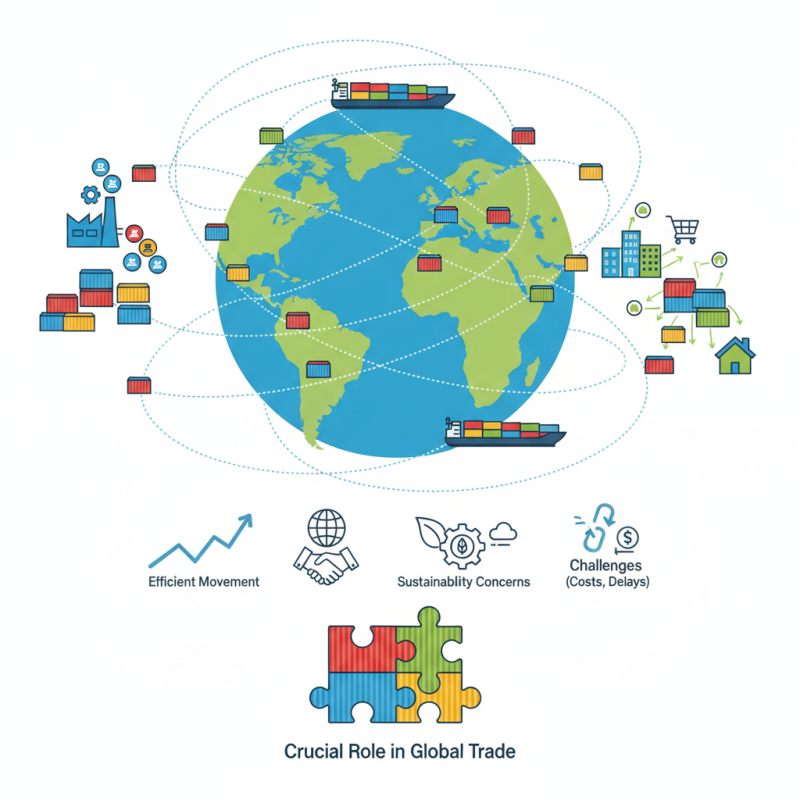
Sea containers are vital to global trade and shipping. These large, standardized boxes transport goods across oceans. They allow for efficient movement of products, enhancing trade connections worldwide. Almost every item we use has traveled in a sea container at some point.
The importance of sea containers extends beyond simple transportation. They serve as a bridge between producers and consumers, enabling businesses to reach new markets. Without sea containers, trade would be slow and cumbersome. However, their impact raises questions about sustainability and environmental concerns. The reliance on these containers means we must consider their carbon footprint.
While sea containers have revolutionized logistics, challenges remain. The shipping industry is not perfect. Soaring shipping costs and delays highlight the weaknesses in the system. Reflection on these issues can lead to better practices. Overall, sea containers play a crucial role in keeping global trade flowing. Despite their flaws, we cannot overlook their necessity in today’s economy.
The Historical Development of Sea Containers in Global Trade
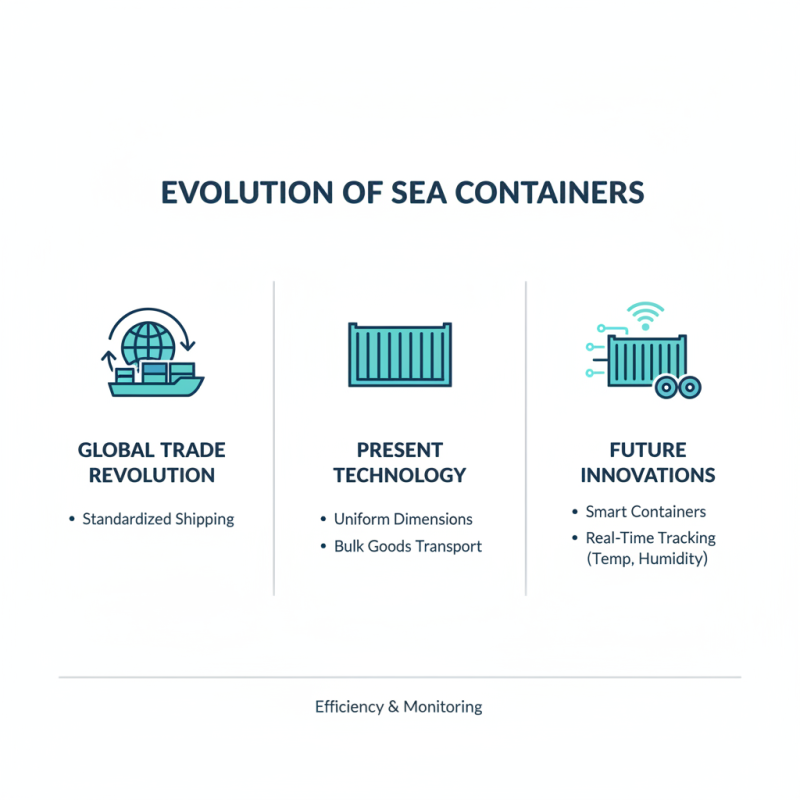
Sea containers have transformed global trade since their inception. In the 1950s, a simple idea revolutionized shipping. Before sea containers, cargo was loaded directly onto ships. This method was time-consuming and inefficient. Containers provided a new way to transport goods. They standardized cargo shipping, making it faster and cheaper.
Over the decades, sea containers evolved. Initially made from wood, they are now primarily steel. This change increased durability and security. The introduction of standard sizes allowed for easy stacking on ships. This made loading and unloading much quicker. Not only did this save time, but it also reduced shipping costs significantly.
**Tip:** When choosing sea container shipping, consider its impact on the environment. Containers are reused multiple times, which cuts down waste.
Still, challenges remain. Some ports struggle with container congestion. Additionally, the reliance on standardized containers can lead to a lack of flexibility. Not all goods fit neatly into these boxes. It's crucial to address these issues for continued growth in global trade.
**Tip:** Be aware of regional regulations that may affect container shipping. Compliance can save you from potential delays.
Global Trade Volume Through Sea Containers (in Billion USD)
The Role of Sea Containers in Streamlining Shipping Processes
Sea containers are key to modern shipping. They provide a uniform size and shape, making loading and unloading more efficient. When vessels use sea containers, they can optimize space. This reduces the time ships spend in port. Fast turnaround is crucial for global trade.
Containers also help in tracking shipments. With electronic tagging and barcodes, they allow for easy identification. This transparency is essential for businesses. It minimizes losses and errors in shipping. However, reliance on this technology has risks. If systems fail, tracking becomes challenging.
Moreover, sea containers can be affected by weather and port conditions. Delays from storms can disrupt schedules. While they streamline processes, these issues must be addressed. Overall, improving the dynamics of shipping is an ongoing challenge. Each innovation provides benefits but also requires careful consideration.
Why Are Sea Containers Essential for Global Trade and Shipping?
| Dimension |
Value |
| Global Container Ship Capacity (TEU) |
25 million TEU |
| Annual Container Shipping Volume |
200 million TEU |
| Percentage of Global Trade by Sea |
80% |
| Number of TEUs per Standard Container |
1 TEU |
| Average Cost to Ship a Container (Worldwide) |
$1,500 |
| Time for Container Shipping (Asia to Europe) |
30-40 days |
| Carbon Footprint per Container Shipment |
1 tonne CO2 |
Benefits of Standardized Container Sizes for International Shipping
Sea containers play a vital role in global trade. Their standardized sizes streamline international shipping. This uniformity allows ships, trucks, and trains to transport goods efficiently. A 20-foot container can hold about 28,800 pounds. Larger 40-foot containers double that capacity. These measurements simplify logistics and planning.
Using these containers can reduce shipping costs. They maximize space and minimize transportation time. With a uniform sizing system, it’s easier to stack these containers in ports. This efficiency can lead to faster loading and unloading times. Ports become less congested, boosting productivity.
Tip: Always check the dimensions of a container before shipping. Improper sizing can lead to wasted space.
Some challenges still exist. Not all goods fit perfectly into a standard container. Fragile items may require special handling. Additionally, varying regulations across countries can complicate shipping.
Tip: Research the destination country's import regulations to avoid delays. Proper documentation is key.
Environmental Impact of Using Sea Containers in Logistics
The use of sea containers has transformed global trade. Yet, their environmental impact warrants attention. Manufacturing sea containers requires significant resources. The steel used for containers contributes to carbon emissions. Transporting these heavy containers also increases fuel consumption.
They are often transported over vast distances. This leads to further greenhouse gas emissions. However, sea containers can also promote efficiency. Their standardization allows for easier stacking and loading. This reduces the number of trips needed for shipping. Still, the overall footprint remains concerning.
As global trade continues to grow, we must reflect on sustainability. The reuse of containers can mitigate some impact. Many companies are exploring recycling options. Yet, not all containers reach their potential lifespan. The challenge lies in balancing efficiency and environmental responsibility. How can we improve this system? Addressing these questions can pave the way for a greener logistics future.