What is One Way Shipping Containers and How to Use Them?
In the world of logistics, one way shipping containers are gaining popularity. These containers, designed for single-use journeys, offer remarkable efficiency for businesses. Richard Thompson, a logistics expert with over twenty years of experience, emphasizes their significance by stating, "One way shipping containers streamline operations and reduce costs."
One way shipping containers are not just about transport. They provide flexibility and sustainability in shipping. With the ability to be delivered and left at the destination, they minimize return trips and idle time. This model is transforming how businesses approach their shipping needs. However, navigating this system may lead to challenges, such as sourcing the right type of container for specific goods.
Understanding the full potential of one way shipping containers is crucial. Many underestimate their value in optimizing logistics. Using these containers effectively can lead to significant cost savings and environmental benefits. Yet, a wrong choice in container type or transportation can lead to inefficiencies. This highlights the importance of informed decision-making in shipping operations.

What are One Way Shipping Containers?
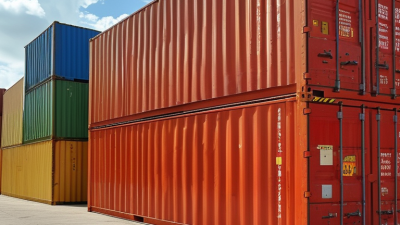
One way shipping containers are a practical choice for transporting goods over long distances. Unlike traditional shipping containers, they are designed for single-use journeys. This method benefits businesses looking to streamline their shipping processes without returning empty containers. It is a cost-effective option, especially for companies focused on reducing logistics overheads.
What makes one way shipping containers stand out is their simplicity. They are usually rented or purchased for a one-way trip. As a result, businesses save on transportation and handling costs associated with returning containers. These containers can be used for various cargo types, including durable goods, consumer products, and agricultural items. However, it is essential to assess the container's condition and suitability for your specific needs.
Some might overlook the environmental impact of one way shipping containers. A missed opportunity to reuse these containers can lead to waste. Reflecting on how to minimize this waste is crucial. Companies can consider alternatives, like reusing containers for storage or repurposing them. Ultimately, one way shipping containers offer flexibility but also demand responsible usage practices for long-term sustainability.
Key Features of One Way Shipping Containers
One way shipping containers are designed for single journeys. They eliminate the need for return shipping, making them an efficient choice for transporting goods. These containers are usually cheaper than standard shipping containers due to their straightforward use. They are available in various sizes, including 10ft, 20ft, and 40ft, accommodating different types of cargo.
Key features of one way shipping containers include their durability and versatility. Crafted from strong steel, they withstand harsh weather and rough handling. Many containers are equipped with ventilation features to prevent moisture buildup, which can ruin sensitive cargo. Their design makes them stackable, optimizing loading space during transport.
However, it's important to consider the potential downsides. One way shipping containers may not be suitable for all cargo types. Their structural integrity can weaken if not handled properly. Limited availability may also lead to higher costs in some regions. Ultimately, understanding the specifics of these containers helps ensure they meet your shipping needs effectively.
Benefits of Using One Way Shipping Containers
One way shipping containers offer significant advantages for businesses seeking efficient solutions for transportation. These containers are designed for single journeys, reducing costs associated with return logistics. According to a report by the International Maritime Organization, utilizing one way containers can decrease shipping expenses by up to 30%. This efficiency can lead to improved profit margins for companies engaged in international trade.
The simplicity of one way shipping containers enhances operational efficiency. They eliminate the complexities of managing returns and storage, enabling businesses to focus on core activities. A study from the World Bank highlights that streamlined logistics through one way shipping can improve supply chain performance by 25%. Companies can allocate resources more effectively, optimizing time and capital.
When using one way shipping containers, evaluate your supply chain needs. Consider weight limits and sizes that suit your products. Local regulations may also impact shipping methods. Be proactive in researching available options. Always check for damage before use, as even minor issues can escalate during transit. Establishing relationships with reliable ports can further ensure smoother operations. Consider tracking your shipments to maintain visibility throughout the process.
How to Choose the Right One Way Shipping Container
Choosing the right one way shipping container is crucial for efficient transport. First, consider the container's size. Standard sizes are 20ft and 40ft. Determine the volume of goods you need to ship to select the appropriate size. A container that is too small can lead to damaged items, while one that is overly large can increase costs unnecessarily.
Material quality matters as well. One way shipping containers come in steel and aluminum options. Steel is durable but may be prone to rust. Aluminum is lightweight and resistant to corrosion, but it can be more expensive. Assess your shipping needs and environmental factors to make the best choice.
Know your destination's requirements. Some locations may have specific regulations for container types. Research local restrictions and ensure compliance. This reduces unexpected costs and avoids delays in shipping. Seek advice from industry professionals if you are unsure. Mistakes can be costly, so gathering accurate information is vital.
One Way Shipping Containers Usage Statistics
Steps for Effectively Using One Way Shipping Containers
One way shipping containers provide a practical solution for various logistic needs. When utilizing these containers, it’s crucial to consider several effective steps to maximize their benefits.
Start by assessing your shipping requirements. Determine the size and type of cargo you’ll be transporting. Whether you’re moving furniture or machinery, choosing the right container type is key. The condition of the container also matters. Inspect it thoroughly for any damage or wear. A small crack can lead to bigger issues during transport.
Once you’ve secured your container, proper packing is essential. Use padding and appropriate packing materials to protect your items. This minimizes movement during transit. Ensure all items are secured and easy to access upon arrival. Furthermore, consider labeling your packages. Clear labels can prevent confusion and aid in efficient unpacking.
Finally, plan your logistics. Decide on your shipping route and any potential customs requirements. Understanding these details can save time and reduce stress. Reflection on past shipping experiences can also help improve future efforts. Address any obstacles you faced previously and adjust your strategy accordingly. Learning from past challenges contributes to smoother operations moving forward.