Choosing a 2-Way Foley Catheter in 2026 should begin with the clinical need, not the product photo. This device has separate pathways for urine drainage and balloon inflation. That sounds simple. Yet small choices can affect comfort, drainage, and safe placement.
The right option depends on the patient, intended duration, and clinician’s plan. Check the prescribed French size, catheter length, material, tip style, and balloon volume against the manufacturer’s instructions. Silicone and latex products may suit different situations, but allergies and clinical factors matter. A larger size is not automatically better. In practice, choosing the smallest suitable size can help limit urethral irritation when consistent with the care plan. Confirm connector compatibility and packaging integrity, too. A kinked tube or poorly matched drainage bag can undermine an otherwise suitable catheter.
This guide explains what to compare before choosing a 2-Way Foley Catheter, including sizing, materials, features, and labeling. It also separates useful specifications from marketing language. Product names can be confusing, and “standard” does not always mean interchangeable. That deserves a second look. Fit matters. Selection and insertion should follow qualified clinical guidance and local protocols, especially for children, patients with known urethral problems, or people needing long-term catheterization. No checklist can replace an assessment. Package details matter, but so does the person who will use the catheter.
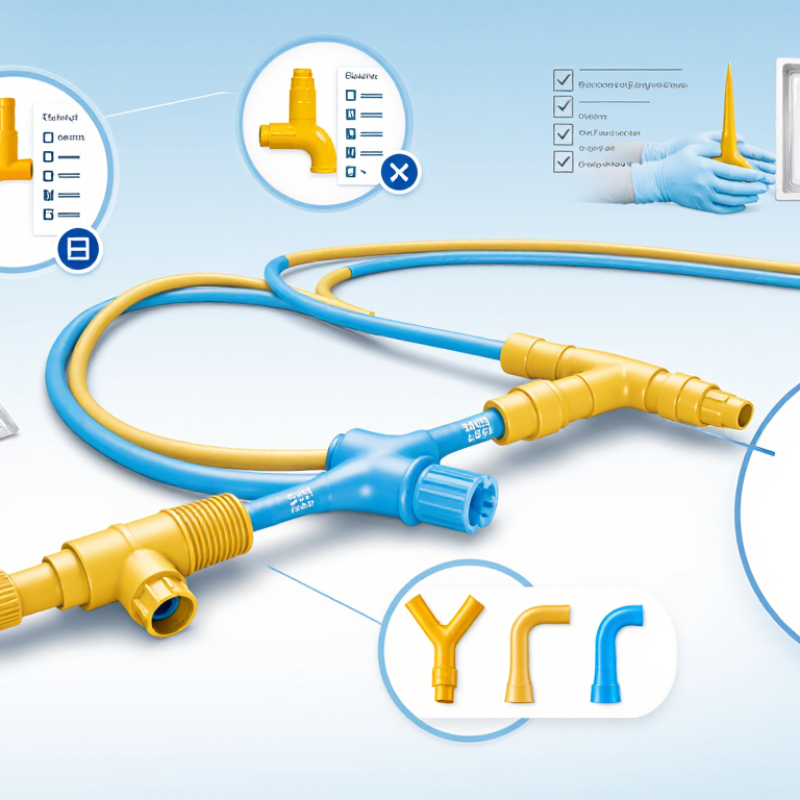
A two-way Foley catheter has two separate channels inside one flexible tube. The larger lumen drains urine from the bladder into a collection bag. The smaller channel leads to a balloon near the tip, which a trained clinician inflates to help keep the catheter in place. The balloon is not a drainage feature. That detail is easy to overlook when comparing product diagrams.
CDC reports that about 75% of urinary tract infections acquired in hospitals are associated with urinary catheters. This figure underlines why catheter use, insertion, and ongoing care matter—not just the device choice. A clinician should select the catheter’s French size, material, and balloon specifications for the patient and intended use. The smallest suitable size is generally preferred to reduce urethral trauma, while the manufacturer’s instructions guide balloon inflation. Small differences matter.
Two-way describes the catheter’s channels, not a guarantee of comfort or suitability. A larger catheter is not automatically better; it may cause avoidable irritation. Before use, check that the drainage tubing is unkinked and the bag sits below bladder level. These practical checks can be missed in a neat product description. Reflect on the actual care setting, too: a catheter chosen for one patient may not fit another’s needs. CDC, Catheter-associated Urinary Tract Infection (CAUTI) prevention guidance, notes the importance of appropriate use and maintenance.
| Selection Dimension | Design or Function | What to Consider | Practical Note |
|---|---|---|---|
| Two-lumen design | One lumen drains urine to a collection bag; the second allows inflation and deflation of the retention balloon. | Confirm that a standard two-way catheter meets the intended drainage need. | A two-way catheter does not provide a separate irrigation lumen. Continuous bladder irrigation generally requires a catheter designed with an irrigation lumen and clinical direction. |
| French (Fr) size | Fr describes the catheter’s external diameter; 1 Fr is approximately 0.33 mm. | Use the smallest size that provides effective drainage, as selected by a qualified clinician. Common adult sizes include 12–18 Fr, but the appropriate size varies by patient and indication. | A larger diameter is not automatically better. Use a larger size only when clinically indicated, such as for particular drainage requirements. |
| Catheter material | Common options include latex, silicone, and coated materials. | Consider known material sensitivities, intended duration, patient factors, and the product’s instructions for use. | For a known or suspected latex allergy, select a suitable latex-free option. Material choice and replacement timing should be guided by clinical advice. |
| Balloon | The balloon helps retain the catheter in the bladder after correct placement. It is inflated through the balloon lumen. | Check the balloon capacity stated on the catheter and follow its instructions for use. | Inflate only after correct placement has been confirmed, using the specified fluid and volume. Never inflate the balloon in the urethra. |
| Tip and drainage eyes | The tip guides insertion, while drainage eyes allow urine to enter the drainage lumen. | Choose a standard tip unless a clinician identifies a specific need for another design. | Specialized tips may require particular expertise and should be selected and used by trained professionals. |
| Length and patient anatomy | Catheters are available in lengths suited to different anatomical needs and care settings. | Choose a length appropriate for the patient and the intended route of insertion. | Do not assume one length fits everyone. A clinician can help select the appropriate option, including for pediatric use. |
| Drainage connection | The drainage outlet connects to a compatible urine collection system. | Check that the connector and collection system are compatible and that tubing can remain unkinked. | Keep the collection bag below bladder level and maintain a closed drainage system when directed by the care plan. |
| Indication and duration | An indwelling Foley catheter continuously drains urine while it remains in place. | Use only when clinically indicated, and review the need for continued catheterization regularly. | Catheter placement, care, and removal should follow local clinical protocols. Seek professional guidance for pain, blockage, leakage, fever, or blood in the urine. |
Safety note: This comparison is for general education and does not replace assessment by a qualified healthcare professional or the catheter’s instructions for use.