Ultimate Guide to Storage Container Sizes Tips for Your Needs?
When it comes to moving and storage solutions, understanding storage container sizes is essential. According to a recent report by Storage Solutions Expert, David Morris, "Choosing the right storage container size can significantly affect the efficiency of your move." The market offers various sizes, from small 10-foot containers to large 40-foot options. Each size has specific use cases, which can be advantageous based on individual needs.
Research shows that over 70% of consumers underestimate the space needed for their belongings. This often leads to last-minute adjustments and increased costs. It's crucial to visualize your items' dimensions before selecting a container. An improperly sized container can result in wasted space or, conversely, insufficient room for your belongings.
Moreover, many people forget to account for heavy or bulky items that require more thoughtful logistics. Evaluating your needs rigorously can save time and resources. Remember, storage container sizes are not merely about choosing the largest option available. It's about aligning the right size with your specific requirements and ensuring a smooth, cost-effective storage experience.
Understanding Different Types of Storage Containers Available
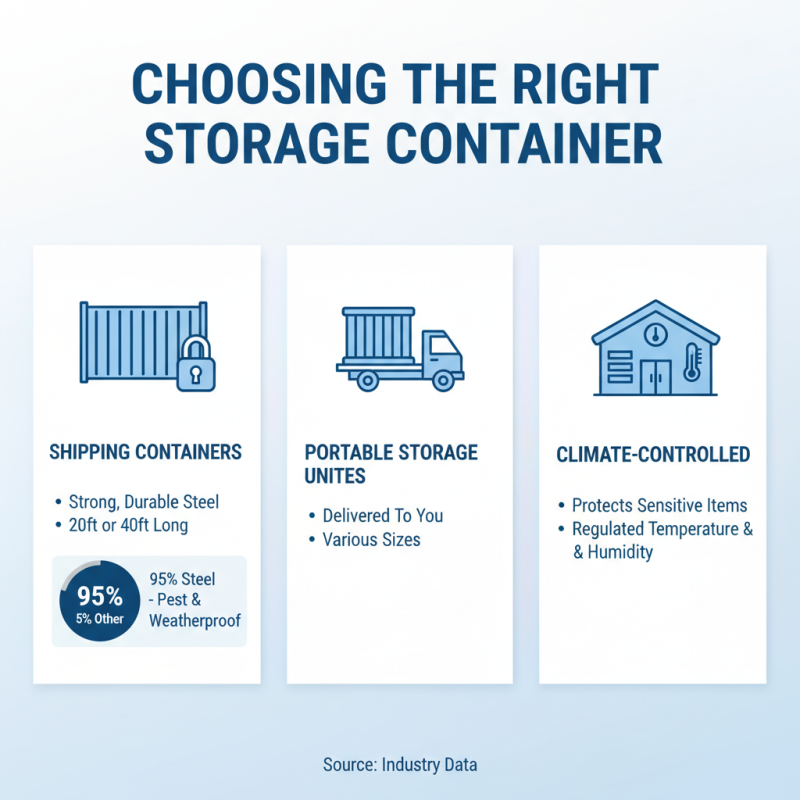
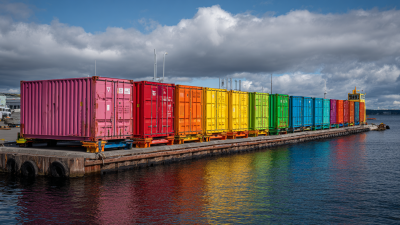
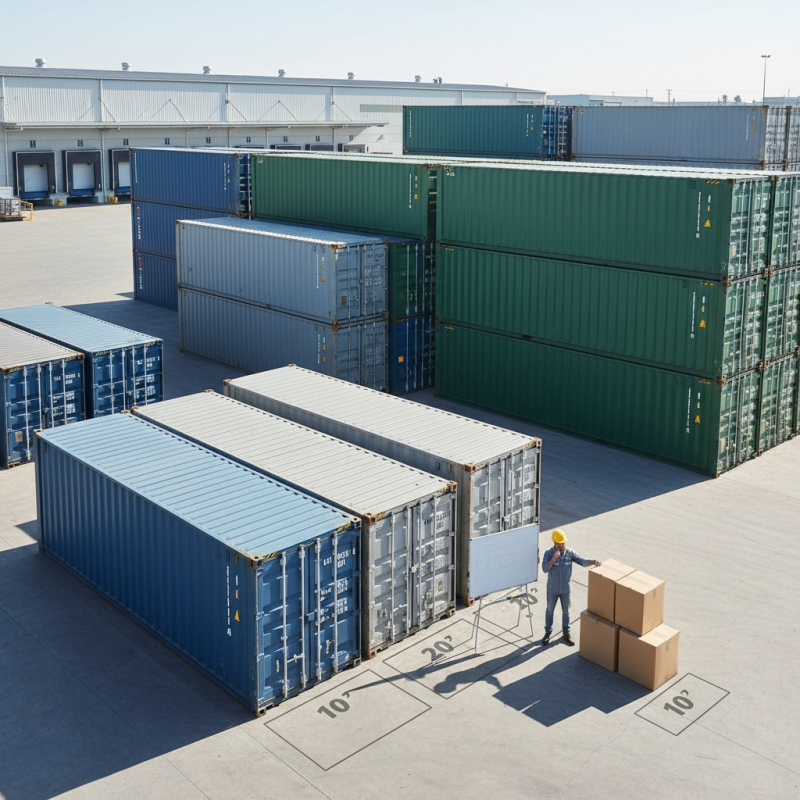
When selecting a storage container, understanding the types available is vital. Common options include shipping containers, portable storage units, and climate-controlled containers. Shipping containers are strong and durable, perfect for long-term storage. They typically measure 20 or 40 feet in length. According to industry data, around 95% of these containers are made from steel, ensuring security against pests and weather.
Portable storage units are versatile and convenient. They often range from 8 to 16 feet in size. These containers can be delivered to your location, allowing for easy access. However, they might not offer the same security as shipping containers. Data suggests that 30% of users reported issues with theft. This highlights the need for proper locks and security measures.
Climate-controlled containers are ideal for sensitive items. They maintain a consistent temperature and humidity level. Items like electronics or documents benefit from this feature. Research shows that exposure to extreme conditions can damage such materials. Choosing the right container type requires careful consideration of your specific needs and budget constraints.
Measuring Your Storage Needs: A Step-by-Step Approach
When measuring your storage needs, precision matters. Start by assessing what items you need to store. Break down larger categories, like furniture and boxes, into specific dimensions. For instance, a standard sofa takes up approximately 80 inches by 36 inches. It's easy to underestimate space when packing. In fact, nearly 30% of people end up renting larger containers than necessary.
Create a detailed inventory list. This list should include dimensions for each item. Researchers suggest that almost 40% of people don’t measure before deciding on a storage size. This can lead to stress and wasted money. Visualize your space. Maybe stack boxes or use tape to outline larger items. Even small items, like seasonal clothing, can add up.
Have you ever thought about how often you retrieve items? If it’s infrequent, consider a smaller unit. However, if access is frequent, a larger space might be worth the investment. Consider your future storage needs. Many people only think about the present. Changes in circumstances, such as a move or renovation, can impact storage requirements. Plan accordingly. These reflections can save both time and frustration.
Storage Container Sizes Comparison
This bar chart illustrates the dimensions and capacities of various types of storage containers commonly used for personal and commercial purposes. It provides an overview of how different sizes stack up against each other.
Overview of Standard Storage Container Sizes and Dimensions
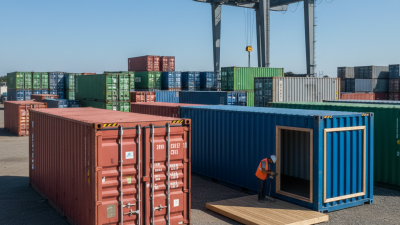
When selecting a storage container, understanding standard sizes is crucial. Most containers fall into specific dimensions that fit common needs. The most common dimensions for shipping containers are 20 feet and 40 feet. A 20-foot container typically has a capacity of about 1,165 cubic feet, while a 40-foot container offers around 2,390 cubic feet. These sizes cater to various purposes, from personal storage to logistics.
Specialty containers are also available. For example, high cube containers add an extra foot in height. This allows for larger items and better organization, especially for businesses. According to industry reports, more than 30% of businesses prefer high cube containers for their extra space. However, it is vital to consider your specific needs. Choosing a container that's too large can lead to wasted space and higher costs. Conversely, a small container may fall short of your requirements.
Awareness of container sizes can save both time and money. Detailed planning is essential when estimating space needs. Yet many underestimate their requirements, reflecting poor initial assessments. This oversight can result in unnecessary transport costs. Evaluating the right dimensions based on precise needs will lead to smarter decisions.
Choosing the Right Container Size for Specific Items
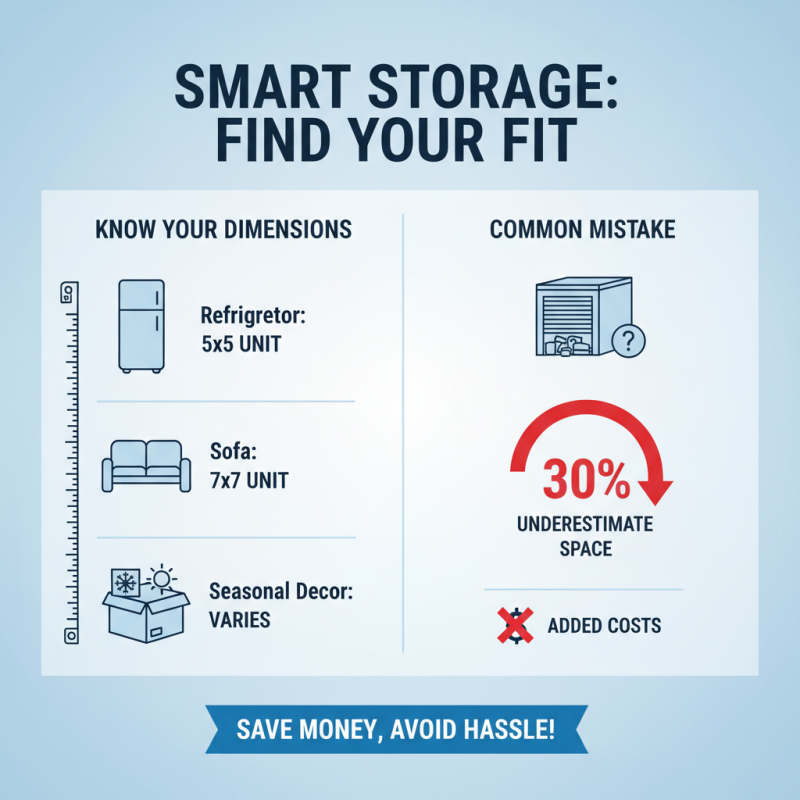
When choosing the right storage container size, understanding specific item dimensions is crucial. Items like furniture, appliances, and seasonal decor vary greatly in size. For example, a typical refrigerator can occupy a 5x5 space, while a sofa may require 7x7. According to industry reports, 30% of movers underestimate their space needs and end up with too small containers. This can lead to added costs.
**Tips:** Measure your items first. A tape measure can save you from choosing the wrong size. Consider stacking capabilities as well. You might fit more if you optimize space vertically.
Some items are easier to accommodate than others. Boxes are versatile, but bulky items need more careful planning. Loading items tightly without damage can be challenging. Many underestimate how much space they need for fragile items like glassware. Protecting these pieces requires cushion and flexibility in storage choice.
**Tips:** Always keep a few extra inches of space in mind. Identifying your "worst-case scenario" dimensions helps. Don’t forget to factor in aisle space for easy access.
Tips for Maximizing Space and Organization in Storage Containers
Maximizing space in storage containers requires thoughtful organization and strategic planning. According to a study by the Container Storage Association, nearly 30% of self-storage users cite lack of organization as a major issue. They struggle to find items easily when needed. Utilizing each inch of space effectively can solve this problem.
Start by categorizing your items. Group similar items together. This reduces the time spent searching for things. Use boxes within boxes for small items. Clear plastic bins are particularly useful. They let you see contents without opening them. Arrange them based on frequency of use. Place items you use often at the top for easy access.
Creating a detailed inventory can also help tremendously. A simple list of stored items saves time and frustration. Many users overlook this step. A report from the National Association of Professional Organizers indicates only 15% of people keep track of their storage contents. Consider adding labels to boxes, too. This simple act prevents confusion and enhances organization. It's not just about packing; it’s about smart packing.
Ultimate Guide to Storage Container Sizes Tips for Your Needs
| Container Size |
Dimensions (L x W x H) |
Ideal Use |
Estimated Volume |
| Small Container |
24" x 18" x 12" |
Seasonal clothing, shoes |
3 cu ft |
| Medium Container |
36" x 24" x 18" |
Books, linens, toys |
6 cu ft |
| Large Container |
48" x 30" x 24" |
Bedding, kitchenware |
12 cu ft |
| Extra Large Container |
60" x 36" x 36" |
Sporting equipment, holiday decorations |
18 cu ft |