Ultimate Guide to Storage Container Sizes and Tips for Choosing Yours?
Choosing the right storage container sizes can significantly impact your organization efforts. According to expert Bob Thompson, "Understanding the dimensions of storage containers is crucial for efficient space utilization." This statement resonates with many who face the challenge of selecting the right containers for their specific needs.
When considering storage container sizes, it's essential to evaluate what you plan to store. Did you know that a 10-foot container can hold the contents of a small bedroom? In contrast, a 40-foot container can accommodate the furnishings of up to four bedrooms. This disparity in size can lead to confusion. It's not just about the quantity you have but how the items fit within the container.
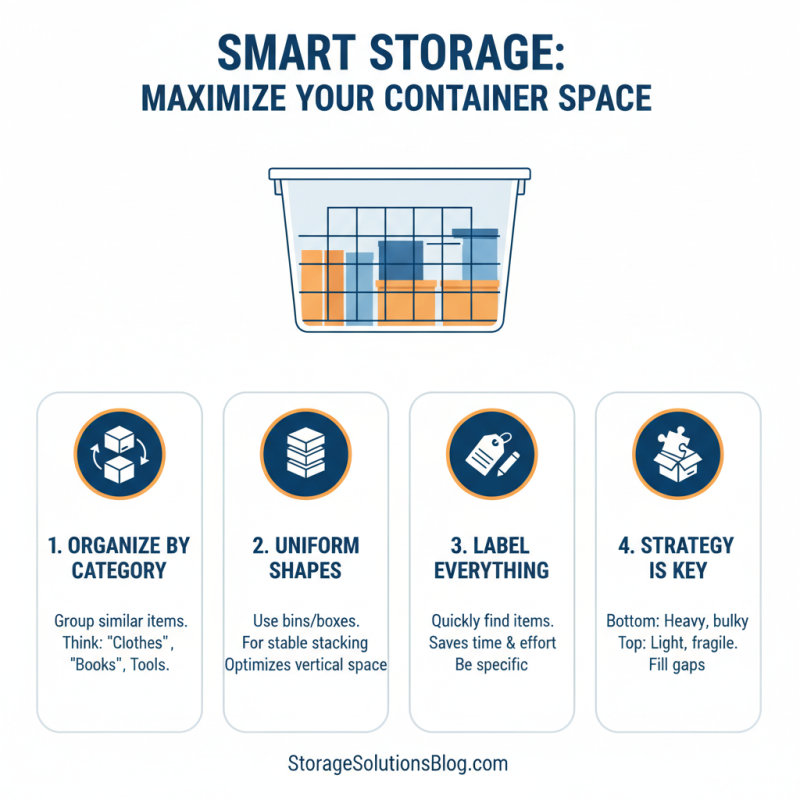
Many overlook the fact that smaller containers can be more practical for certain situations. They are often easier to access and organize. Remember, the goal is not only to fit everything inside but also to maintain a functional layout. For those unsure about their choices, reflection on past experiences can shed light on present decisions. What worked before? What didn't? These questions can guide you towards making a more informed selection.
Understanding Different Storage Container Sizes and Dimensions
Choosing the right storage container can be overwhelming. Various sizes are available, each designed for specific needs. Standard sizes typically include 10x10, 10x20, and 10x30 feet. A smaller 10x10 unit can hold about one room's worth of items. On the other hand, a 10x20 unit is suitable for two to three rooms.
Dimensions are crucial in making the right decision. Measure your belongings and make a list. Consider the height of items too, as some containers offer vertical space. Sometimes, the size may seem perfect, but you may find it hard to fit everything.
Understanding your needs is essential. A larger container might feel wasteful if you only need a small space. But if you choose too small a container, you risk overcrowding. Think about future needs too. You might need more space later. Take your time and evaluate everything carefully.
Factors to Consider When Choosing the Right Storage Container
Choosing the right storage container involves several key factors. Space requirements are crucial. Research indicates that nearly 30% of consumers underestimate how much space they need. Opt for containers that allow for some extra room. This can prevent overcrowding and avoid potential damage.
Material is another consideration. Containers are often made from plastic, metal, or wood. Each material has its advantages and disadvantages. Plastic containers are lightweight and resist moisture. Metal offers durability but can rust. Wood is sturdy but may require treatment against pests. According to industry reports, 45% of users prefer plastic for home storage needs.
Cost can be a deciding factor too. Prices vary based on size and material. A study found that 60% of consumers are willing to pay more for quality. However, quality does not always mean higher prices. Understanding your needs can lead to better investments. Avoid choices that seem enticing but lack necessary functionality.
Comparing Portable Storage Containers vs. Traditional Storage Units
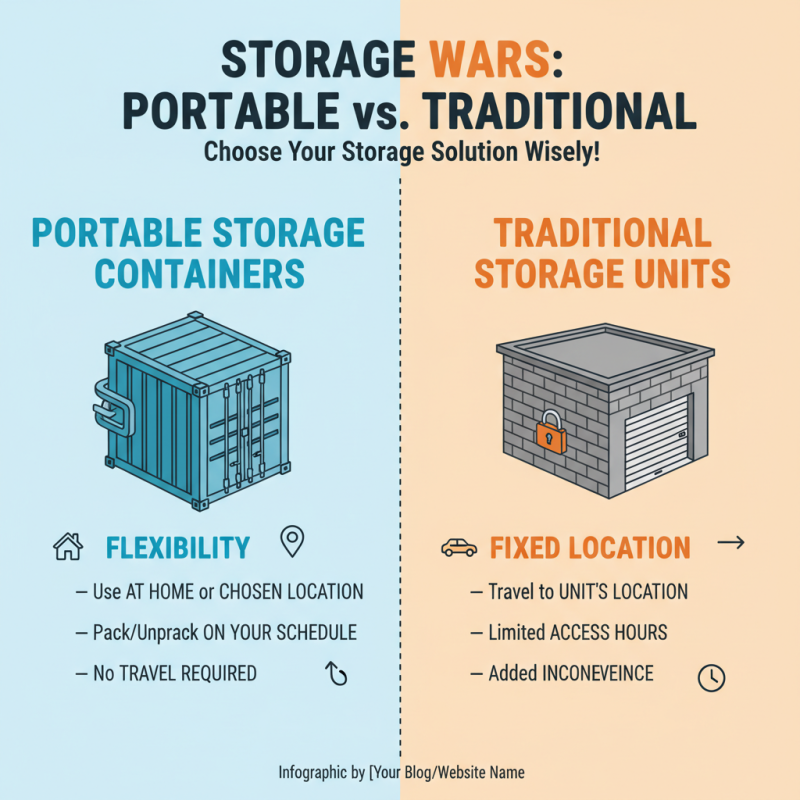
When considering storage options, many people face the choice between portable storage containers and traditional storage units. Portable containers offer flexibility. You can use them at home or your chosen location. Traditional units require you to travel to a fixed location, which may add inconvenience.
Storage containers are often accessible 24/7. This means you can pack or access your items whenever you want. In contrast, traditional facilities have specific hours. This can be limiting, especially if you have a busy schedule. Remember that not all facilities are the same. Some may lack adequate security measures.
Tips for choosing the right option include assessing your space needs. Make sure to measure your items first. This ensures that everything fits comfortably. Additionally, consider the duration of your storage. If you need short-term solutions, portable containers might be the way to go. Lastly, check the weather conditions in your area. Portable containers are usually more weather-resistant, but it varies. Reflect on these details to make the best decision for your needs.
Common Uses for Various Sizes of Storage Containers
Choosing the right storage container size can significantly impact organization and efficiency. Different sizes serve different purposes. For instance, a 10-foot container is ideal for small moves or seasonal item storage. It can hold the contents of a one-bedroom apartment, making it a popular choice for students or young professionals. However, if you need to store larger items like furniture or appliances, a 20-foot container is more suitable. According to industry reports, 20-foot containers can accommodate the belongings of a three-bedroom home.
In industries like construction and retail, varying container sizes help manage inventory. A 40-foot container often becomes a go-to for businesses needing bulk storage. It can store materials, equipment, or seasonal stock. Surprisingly, many businesses underestimate their storage needs. Data shows that 40% of companies face challenges due to inadequate storage solutions. Choosing the right container can prevent clutter and promote efficiency.
It’s also important to consider the accessibility and location of your storage. Some people assume all containers offer the same convenience. This isn't true. An accessible container can save time and frustration, especially during busy seasons. A poorly chosen size can lead to costly mistakes. Reflecting on your actual needs before choosing a size can prevent this. Consider your items, frequency of access, and available space.
Ultimate Guide to Storage Container Sizes and Tips for Choosing Yours
| Container Size |
Dimensions (LxWxH) |
Capacity (Cubic Feet) |
Common Uses |
| 5 ft³ |
30" x 18" x 12" |
5 |
Seasonal clothing, small decorations |
| 10 ft³ |
36" x 24" x 14" |
10 |
Bedding, small furniture items |
| 20 ft³ |
48" x 30" x 18" |
20 |
Boxes, sports equipment, seasonal items |
| 30 ft³ |
54" x 36" x 24" |
30 |
Large furniture, bicycles, multiple boxes |
| 50 ft³ |
60" x 40" x 30" |
50 |
Home renovation supplies, multiple large boxes |