What is a Gooseneck Trailer and How Does It Work?
The Gooseneck Trailer has gained popularity in various industries, particularly in agriculture and transportation. According to a report by the National Trailer Dealers Association, sales of gooseneck trailers have increased by over 15% annually. This growth reflects their practical design and versatility. These trailers feature a distinctive hitch that connects to the bed of a pickup truck, allowing for better weight distribution.
Their unique design allows for towing heavy loads, often exceeding 30,000 pounds. This makes them indispensable for farmers and construction workers. Gooseneck trailers handle loads that traditional trailers might struggle with. However, not all users are familiar with their mechanics. Many people find it challenging to connect and disconnect properly. This can lead to safety issues if not done correctly.
Moreover, while gooseneck trailers provide excellent stability, they can also be less maneuverable in tight spaces. Users must consider their environment when choosing this type of trailer. The right choice of trailer can mean the difference between efficiency and frustration. Understanding the gooseneck trailer's functionality can greatly enhance its usefulness for specific tasks.
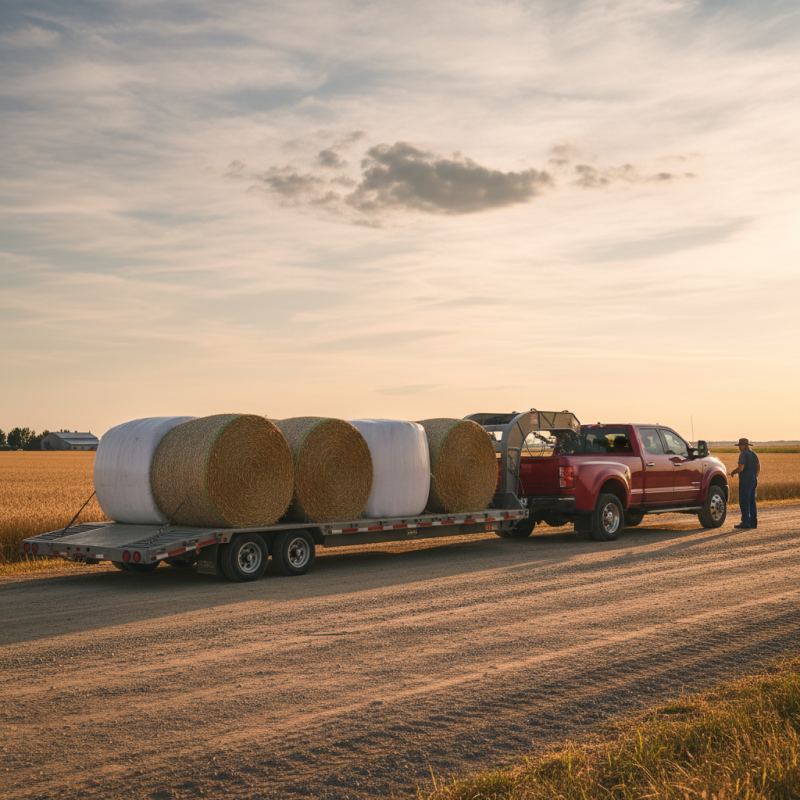
What is a Gooseneck Trailer: Definition and Overview
A gooseneck trailer is a specialized type of towing trailer designed for heavy loads. Its unique design features a coupling system that connects to a ball hitch in the truck bed. This configuration allows for greater stability and weight distribution compared to traditional bumper-pull trailers. According to industry reports, gooseneck trailers can typically handle loads between 15,000 to 30,000 pounds, making them ideal for hauling equipment, livestock, or construction materials.
One of the advantages of gooseneck trailers is their versatility. They come in various sizes and configurations, catering to different hauling needs. For instance, a standard 20-foot gooseneck trailer can be used for transporting cars or boats, while larger models are suited for transporting heavier machinery. However, some users report that improperly loading a gooseneck can lead to swaying or instability on the road. It's essential to understand the correct weight distribution and load placement to ensure safe towing.
The learning curve for operating a gooseneck trailer can be steep for new users. Many drivers find it challenging to maneuver in tight spaces. Additionally, not all vehicles are suitable for towing these trailers. Using an inadequate truck could lead to serious towing issues. Therefore, conducting thorough research and getting professional training might be necessary before attempting to haul substantial loads with a gooseneck trailer.
Key Components of a Gooseneck Trailer
A gooseneck trailer is built for heavy-duty transport. Its design allows for increased stability and better weight distribution. Key components include the gooseneck coupler, trailer frame, and axles. The gooseneck coupler connects the trailer to the towing vehicle, ensuring a secure attachment. This design can enhance maneuverability and reduce sway during transport.
The trailer frame is typically made from sturdy steel. It supports the entire load and must endure substantial pressure. A report from the Trailer Industry Association indicates that well-constructed frames can handle loads exceeding 30,000 pounds without significant deformation. Axles distribute the weight across the trailer, playing a crucial role in safe transport. Heavy-duty axles are common in these trailers, capable of enduring rough conditions.
Trailers often face challenges. Fragile components may wear out faster in harsh environments. Regular inspections are critical to maintain performance and safety. Many operators overlook this aspect, leading to potential hazards. It's a reminder that diligence is essential in ensuring the longevity of the gooseneck trailer. Proper maintenance can prevent costly repairs and dangerous situations while on the road.
How Gooseneck Trailers Work: Mechanics and Operation
Gooseneck trailers are a popular choice for hauling heavy loads. They are designed with a coupler that attaches to a ball hitch in the truck bed. This unique design allows for better weight distribution. It minimizes swaying while driving, which enhances safety. The gooseneck's structure includes a long neck that extends into the truck's bed. This feature contributes to stability during transport.
When operating a gooseneck trailer, it’s crucial to ensure a proper connection. Always check the hitching mechanism before traveling. A loose connection can lead to accidents. Consider loading heavier items toward the front. This practice helps with balance. Overloading can strain the vehicle and the trailer.
Tips: Always inspect the trailer and truck before connecting. Regular maintenance is key for safe operation. Pay attention to tire pressures; under-inflated tires can create issues. Effectively using a gooseneck trailer requires practice. The maneuvering can be challenging for beginners. Take time to familiarize yourself with handling.
What is a Gooseneck Trailer and How Does It Work?
| Feature | Description |
| Design | Gooseneck trailers are recognized for their curved neck that connects the trailer to the towing vehicle, providing improved weight distribution. |
| Weight Capacity | Typically capable of hauling between 10,000 to 30,000 lbs or more, depending on the specific model and design. |
| Types | Common types include flatbed, livestock, and car hauler gooseneck trailers. |
| Usage | Primarily used for transporting large and heavy loads such as equipment, livestock, or vehicles. |
| Advantages | Better maneuverability, improved stability while towing, and enhanced capacity for heavy loads. |
| Disadvantages | Requires a compatible towing vehicle, may be difficult to manage for inexperienced drivers. |
Advantages of Using Gooseneck Trailers for Towing
Gooseneck trailers are popular for towing heavy loads. Their design offers significant advantages over traditional trailers. They connect to a special hitch in the bed of a pickup truck. This setup lowers the center of gravity, which enhances stability during towing. Reduced swaying means safer and smoother rides.
Another benefit is the increased payload capacity. Gooseneck trailers can typically carry more weight. This is crucial for hauling livestock, cars, or construction materials. Their longer design allows for larger cargo space. However, this can also lead to maneuverability challenges in tight areas. Drivers need to be cautious when turning or backing up.
While gooseneck trailers excel in many ways, they require a compatible vehicle. Not all trucks can handle them. Maintenance is also essential to ensure safety. Regular checks of the hitch and trailer condition can prevent accidents. Being mindful of these factors can maximize the benefits of using a gooseneck trailer.
Common Uses and Applications of Gooseneck Trailers
Gooseneck trailers are widely recognized for their versatility and unique design. They attach to a pickup truck, providing superior stability and weight distribution. This makes them ideal for transporting a variety of heavy loads. Common uses include hauling livestock, equipment, and vehicles. Farmers often rely on gooseneck trailers for livestock transport, ensuring the animals are secure during travel.
In construction and landscaping, these trailers are invaluable. They can carry heavy machinery like excavators or skid steers. This transport method allows quick access to job sites. However, some may struggle with gooseneck connections, leading to unsafe situations. Proper training and practice are essential to avoid mishaps.
Additionally, recreational uses are increasing. Many use gooseneck trailers for RVs or toy haulers, allowing for family adventures. Still, loading and unloading requires attention. It’s easy to overlook safety checks, leading to potential accidents. Even seasoned users should be cautious and learn from each experience. Proper management ensures these trailers remain effective tools.