10 Essential Tips for Choosing the Right Transport Containers?
Choosing the right transport containers is crucial for effective logistics. The right container can ensure safe, efficient transport of goods. However, many face challenges in this area.
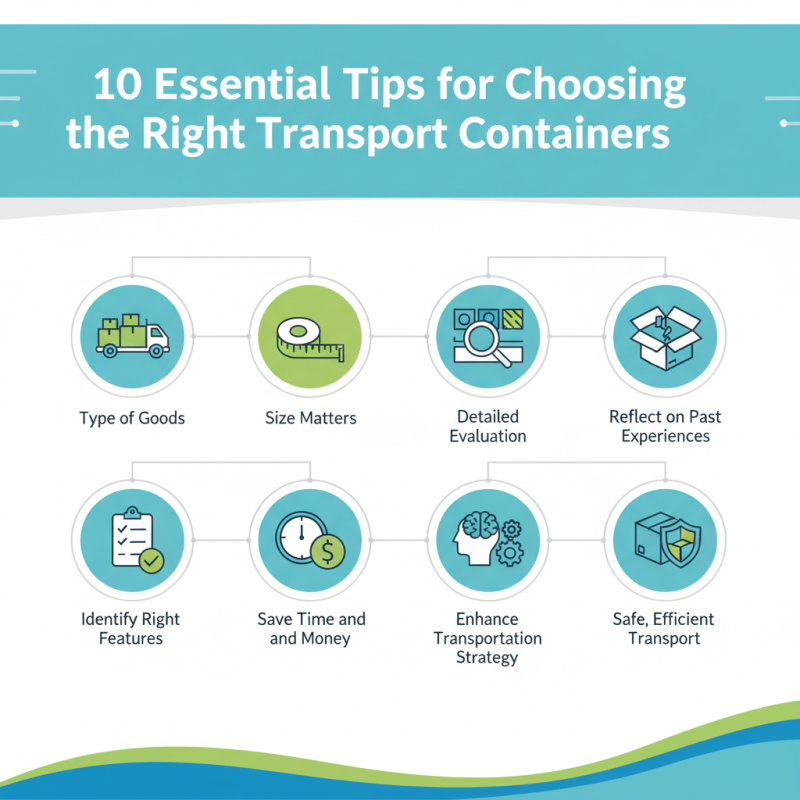
When selecting transport containers, consider the type of goods you'll transport. Size matters. A small container may lead to damage if overfilled. On the other hand, a large container could waste space and resources. Materials are also essential. Different goods require different materials for optimal protection.
Not every transport container fits each situation perfectly. Sometimes, what seems ideal may not be the best choice. A detailed evaluation of your needs is important. Reflect on past experiences. What went wrong? Identify the right features to avoid previous mistakes. This process could save time and money in the long run. Make informed decisions to enhance your transportation strategy.
Understanding Different Types of Transport Containers Available in the Market
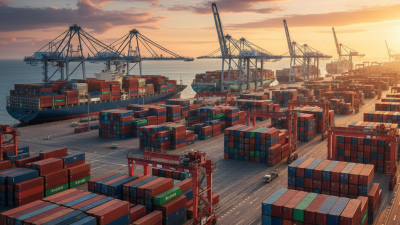
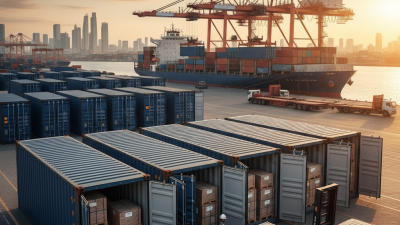
Transport containers come in various types, each designed for specific purposes. Standard containers are widely used for regular cargo. They come in 20-foot and 40-foot sizes. These containers offer versatility and strength, making them popular in shipping logistics. According to industry reports, about 90% of the world's goods are transported in containers. This highlights their importance in global trade.
Reefer (refrigerated) containers are essential for perishable items. These containers maintain a controlled temperature, ensuring that fresh produce and pharmaceuticals remain viable. Data indicates that the global refrigerated container market is projected to grow by 6.5% annually. This reflects the rising demand for fresh goods across the globe.
Beverage containers, like those for liquids, have unique specifications. They need to be robust to prevent leaks and spills. This specificity often leads to a higher cost. Evaluating these containers requires careful consideration of both materials and dimensions. Buyers must reflect on their product types before making a choice. It's essential to understand that not every container suits every need. The incorrect choice can lead to significant losses.
Assessing Container Size and Volume Requirements Based on Cargo Specifications
Choosing the right transport container begins with understanding cargo specifications. The size and volume of cargo directly influence the choice of container. A report from the International Container Transport Association highlights that over 40% of logistics issues arise from improper container sizing. Thus, precise measurements are vital.
Assessing the dimensions of your cargo is not enough. Volume calculations are equally important. For example, a standard 20-foot container holds up to 28 cubic meters. However, if your cargo is irregularly shaped, fitting it may prove challenging. According to the World Shipping Council, nearly 25% of shipments are delayed due to size mismatches. It's crucial to plan for these factors.
Different materials may also impact container selection. For delicate items, consider temperature control or special packaging. Industry studies indicate that around 30% of cargo damage occurs during transit due to improper handling or inadequate container types. These details should not be overlooked, as they can lead to increased costs and delays. Reflecting on past transport experiences can help in making better decisions for future shipments.
Evaluating Container Durability and Material Options for Different Environments
When selecting transport containers, durability and material should be at the forefront. Different environments demand varied materials. For example, steel containers are ideal for heavy loads but can rust in humid areas if not treated correctly. On the other hand, plastic options may offer resistance to corrosion, but they often cannot handle extreme weights. It's essential to evaluate your specific environment before making a choice.
Consider temperature fluctuations and potential moisture exposure. A container that works well in a dry climate might fail in a damp setting. Conduct thorough tests when possible. Look for materials that can withstand harsh conditions. Not every container is a one-size-fits-all solution. Sometimes, multiple materials may be needed for different items. Reflect on past failures; they can guide better decisions in the future. Analyze whether the container’s properties align with your transport needs and environmental challenges. This reflection can lead to improved choices in the long run.
Considering Regulatory Compliance and Safety Standards for Transport Containers
When selecting transport containers, regulatory compliance must be a priority.
The International Organization for Standardization (ISO) sets guidelines that dictate safety standards. Adhering to these standards can prevent significant fines and ensure the safety of transported goods. For instance, improperly rated containers can compromise cargo quality and lead to contamination, impacting the supply chain.
It’s essential to consider the type of cargo being transported. Not all containers meet specific needs. For instance, temperature-sensitive products require refrigerated units.
According to a report by the Freight Industry Association, about 30% of perishable goods spoil due to inadequate transport methods.
Tip: Always verify the container’s compliance with regional regulations. This can include checks for certified seals and documentation.
Many overlook the importance of choosing the right materials for containers. Plastic, metal, or composite options each serve different purposes. Some materials can corrode or break down over time, leading to leaks.
Tip: Consult professionals if unsure about materials. Their expertise can help avoid costly mistakes. Understanding these elements can improve operational efficiency and enhance safety.