10 Essential Tips for Buying a 20 ft Shipping Container: Cost and Usage Guide
In recent years, the popularity of the 20 ft shipping container has surged, driven by its versatility and cost-effectiveness in various applications. According to industry reports, the global shipping container market is expected to reach a value of over $9.5 billion by 2026, with a significant portion stemming from the demand for 20 ft containers for storage, transportation, and conversion into innovative living spaces. As businesses and individuals alike recognize the benefits of using these containers for both logistics and personal projects, understanding the key factors involved in purchasing one becomes crucial.
An essential aspect of investing in a 20 ft shipping container is its cost, which can vary widely based on condition, location, and additional features. Data from recent market analyses indicate that prices can range from $2,000 to $6,000, depending on factors such as age, grade, and modifications. Furthermore, the usage of shipping containers in sustainable practices, such as eco-friendly housing and efficient storage solutions, has garnered attention, prompting consumers to seek out essential buying tips. This guide aims to provide valuable insights to help prospective buyers navigate the complexities of purchasing a 20 ft shipping container, ensuring they make informed decisions tailored to their unique needs and goals.
Key Considerations for Purchasing a 20 ft Shipping Container
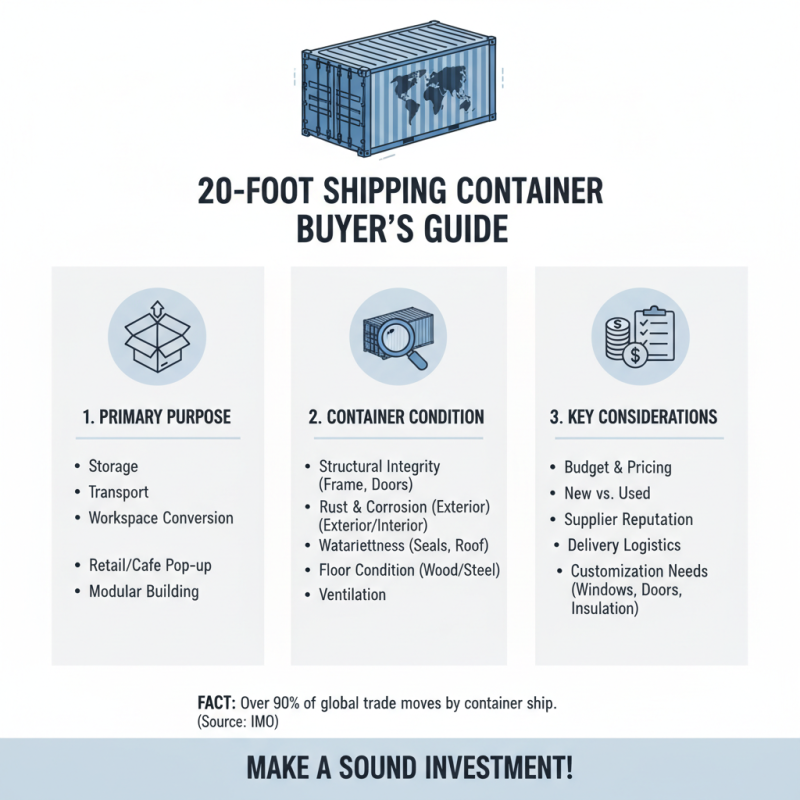
When considering the purchase of a 20 ft shipping container, several key factors must be evaluated to ensure a sound investment. First and foremost, understanding the primary purpose of the container is vital. According to the International Maritime Organization, over 90% of global trade is carried out via container ships, highlighting the importance of utilizing such containers effectively. Whether for storage, transport, or even as a temporary workspace, it is crucial to assess the container's condition, including its structural integrity and any potential for rust or leaks.
Cost is another significant consideration. As of recent industry reports, the price of a used 20 ft shipping container typically ranges from $3,000 to $5,000, while new containers can cost upwards of $6,000. These prices may fluctuate based on location, availability, and market demand. Prospective buyers should also factor in transportation costs, which can vary considerably depending on distance and logistics. Additionally, understanding the container's specifications, such as weight capacity and materials used, can aid in selecting the best option for specific usage needs. Ensuring compliance with local regulations regarding shipping containers is essential, as zoning laws can influence where and how a container can be utilized.
Cost Factors Affecting the Price of 20 ft Shipping Containers
When considering the purchase of a 20 ft shipping container, understanding the cost factors involved is crucial for making an informed decision. Primarily, the condition of the container significantly influences the price. New containers, while more expensive, offer the advantage of reliability and a longer lifespan. Conversely, used containers are more affordable but may require refurbishing or repairs, which can add to the overall cost.
Another key factor affecting the price is the location and logistics of the transaction. Prices can vary based on geographical demand and availability. Transport costs can also contribute significantly, especially if the container needs to be delivered to a location far from the seller. Additionally, the type of container, such as standard, high cube, or specialized containers for refrigeration, will also dictate the price, as each type serves different functional needs and has varying manufacturing costs. Understanding these elements can help buyers budget effectively and select a container that meets both their needs and financial constraints.
Cost Factors Affecting the Price of 20 ft Shipping Containers
Different Uses and Applications for 20 ft Shipping Containers
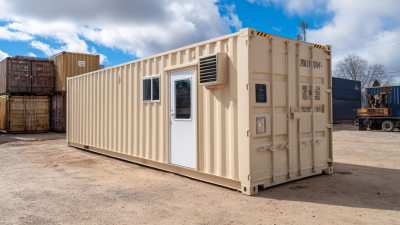
20 ft shipping containers have gained immense popularity across various industries, primarily due to their versatility and cost-effectiveness. According to a report by Mordor Intelligence, the demand for shipping containers is projected to grow at a CAGR of 6.2% through 2026, underscoring their increasing essentiality in logistics and construction. These containers serve multiple purposes beyond traditional shipping; they can be transformed into mobile offices, pop-up retail spaces, workshops, and even homes. The durability and portability of these containers make them suitable for both temporary and permanent applications.
In the construction industry, for instance, 20 ft shipping containers are often used as secure storage for tools and materials, mitigating the risk of theft on job sites. The National Association of Home Builders notes that this trend not only enhances site security but also optimizes space efficiency. Furthermore, businesses are increasingly utilizing modified shipping containers as innovative retail outlets or cafés, capitalizing on their mobility to target different markets. Each application highlights the adaptability of 20 ft containers, making them an investment that transcends traditional shipping purposes. Their multifunctionality, supported by market research, indicates that investing in a shipping container can yield diverse opportunities across various sectors.
10 Essential Tips for Buying a 20 ft Shipping Container: Cost and Usage Guide
| Tip Number |
Tip Description |
Average Cost (USD) |
Common Uses |
| 1 |
Inspect for Damage |
$2,000 |
Storage, Shipping |
| 2 |
Choose the Right Type |
$2,300 |
Temporary Office, Workshop |
| 3 |
Look for Used Containers |
$1,800 |
Storage, Garage |
| 4 |
Consider Transport Costs |
$400 |
Multiple Uses |
| 5 |
Check Container Regulations |
N/A |
Residential Uses |
| 6 |
Plan for Modifications |
$1,500 |
Living Space, Office |
| 7 |
Factor in Maintenance |
$200/year |
Storage |
| 8 |
Research the Seller |
N/A |
All Uses |
| 9 |
Consider Resale Value |
N/A |
Business, Storage |
| 10 |
Check Local Market Prices |
$2,100 |
Shipping, Storage |
Tips for Assessing the Condition of a Used Shipping Container
When considering the purchase of a used 20 ft shipping container, assessing its condition is crucial to ensure you are making a sound investment. According to a report by the Container Owners Association, nearly 90% of shipping containers are reused through the secondary market. However, the varying quality of these containers can lead to unexpected costs if not properly evaluated. Begin by inspecting the exterior for rust, dents, and any signs of structural damage. Look for any signs of leaks or water damage, as even a small crack can lead to significant deterioration over time.
Next, it's essential to examine the interior. Check for any lingering odors, which may indicate past use or moisture problems. A survey conducted by the International Maritime Organization highlighted that containers with mold or mildewed interiors likely have compromised structural integrity. Additionally, inspect the flooring for damage or soft spots, as rotting wood can compromise the container's strength.
Finally, verify the container's shipping history and any maintenance records if available, as these documents can provide valuable insights into its functionality and lifespan. By conducting a thorough assessment, you can make an informed decision and ensure that your investment meets your intended usage needs.
Understanding Transportation and Delivery Options for Shipping Containers
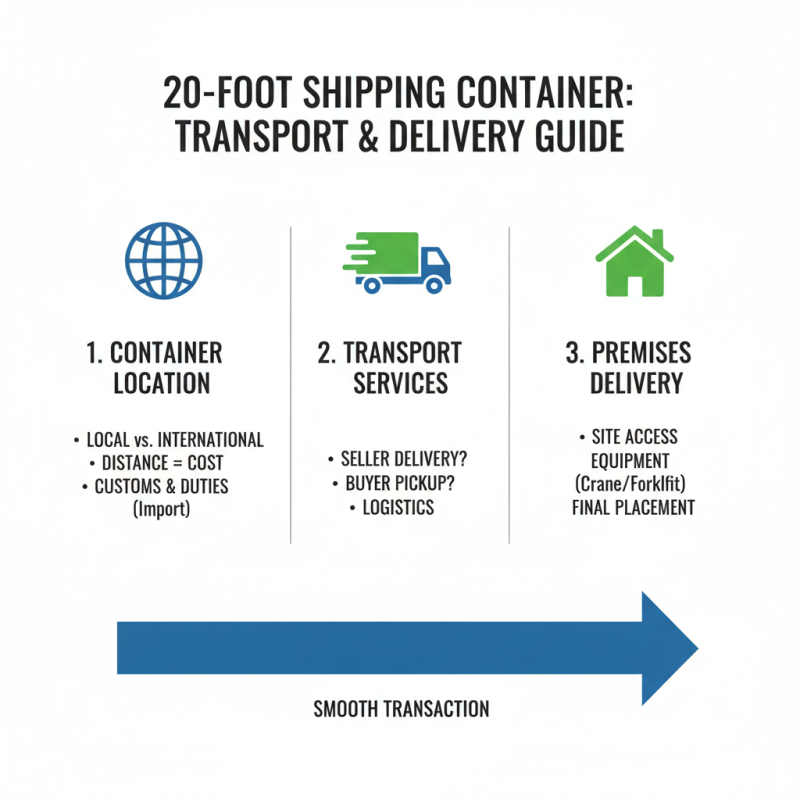
When purchasing a 20 ft shipping container, understanding transportation and delivery options is crucial to ensure a smooth transaction. First, buyers should consider the location of the container before making a purchase. Whether you are sourcing from a local dealer or an international supplier, the distance will directly affect shipping costs and logistics. You may need to factor in additional charges for customs and duties if importing from abroad. Be sure to discuss with the seller the availability of transportation services, as some might offer delivery directly to your premises, while others may require you to pick it up.
Additionally, it's important to evaluate the delivery methods available for your container. Common options include flatbed trucks, which are ideal for short distances, and specialized container trucks designed to transport units securely. Understanding the terrain and access points at your delivery location will also influence the choice of transport, as tight spaces or difficult roads may necessitate a different kind of vehicle. Selecting the appropriate delivery method not only aids in preventing damage during transit but also ensures that the container arrives on time, fulfilling your project requirements efficiently.