What Are the Different Shipping Container Sizes for 2026?
As the shipping industry continues to evolve, understanding the various shipping container sizes is crucial for global logistics. According to industry expert Thomas Harrington, “Choosing the right shipping container size can significantly impact shipping efficiency and cost.” In 2026, businesses must stay informed about the available container dimensions to make wise decisions.
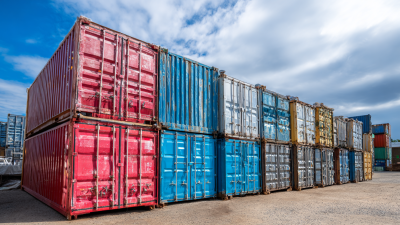
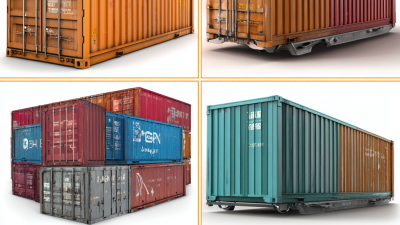
Shipping container sizes vary widely, including the standard 20-foot and 40-foot containers. These sizes cater to different shipping needs. Specialty containers, like open-tops and refrigerated units, also exist. Each size has distinct advantages and disadvantages. For instance, a 40-foot high cube container offers extra height, but it may not suit every transportation method.
Deciding on a container size goes beyond mere dimensions. Shipment weight and type of goods must be considered too. Companies can face challenges if they underestimate space requirements. Overloading can lead to fines, while underutilizing space wastes money. With the right knowledge and insights into shipping container sizes, businesses can navigate this complex landscape effectively. The key is knowledge coupled with a strategic approach.
Different Types of Shipping Containers: An Overview for 2026
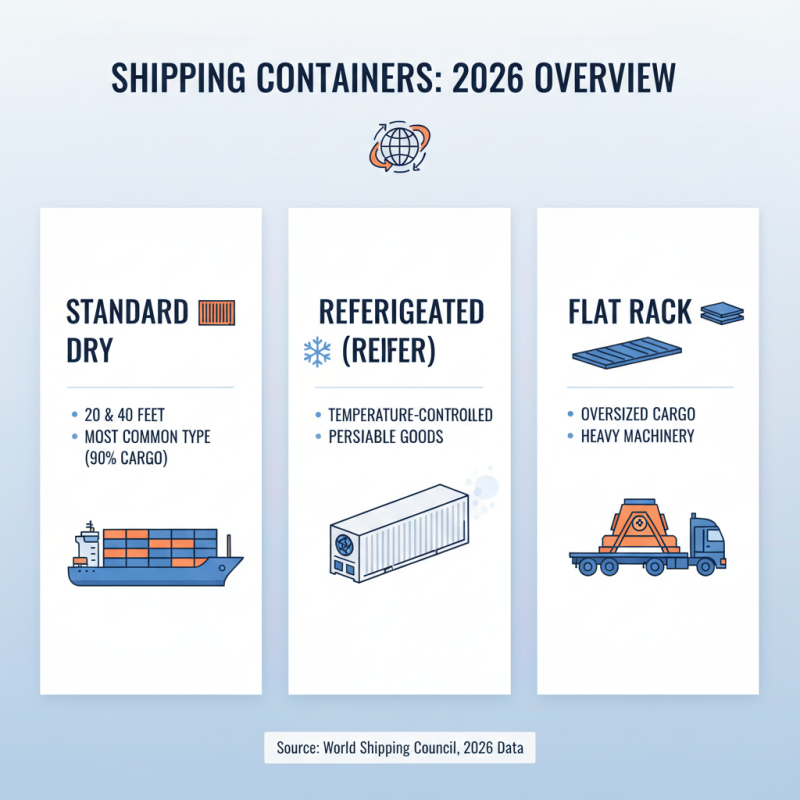
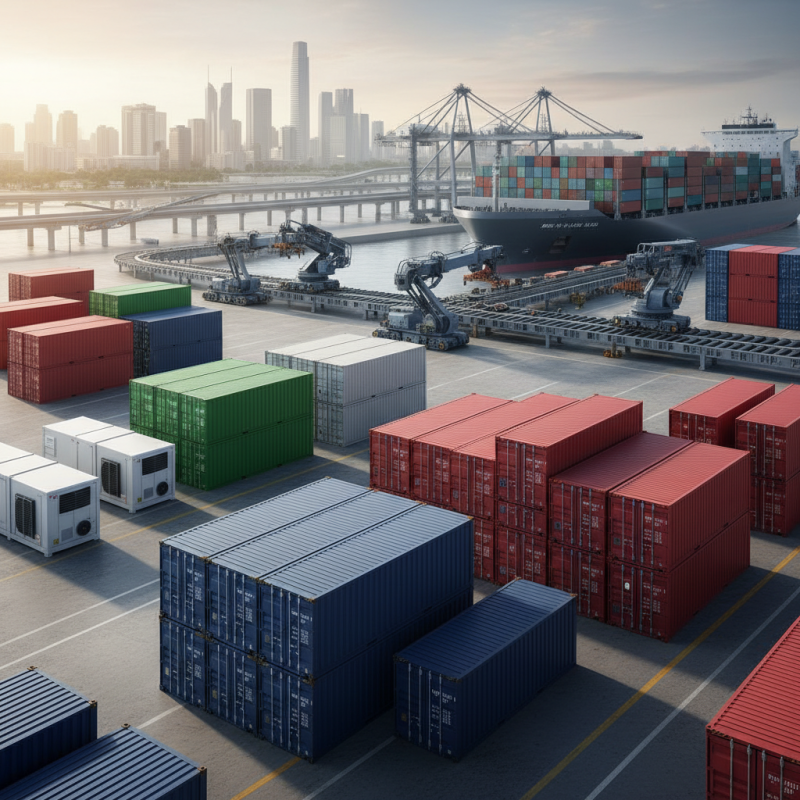
In 2026, the landscape of shipping containers continues to evolve. Different types of containers cater to various needs in the logistics industry. Standard containers are the most common, usually measuring 20 or 40 feet. They are ideal for dry goods, offering an efficient solution for mass transport. According to the World Shipping Council, nearly 90% of cargo moves in these standard containers.
Specialty containers are gaining popularity. Refrigerated containers, or reefers, are crucial for transporting perishable goods. They maintain specific temperatures, ensuring the safety of items like food and pharmaceuticals. In 2026, the demand for reefers is projected to rise by 25%, as global trade in perishables expands. Similarly, high-cube containers offer additional vertical space, appealing to those shipping lighter materials.
Innovative designs are also emerging. The introduction of collapsible containers aims to optimize space during return shipping. This is a game changer for reducing shipping costs. However, the adoption rate remains slow due to concerns about durability and operational complexity. As the industry adapts, understanding the diverse container types is essential for efficient supply chain management.
Standard Container Sizes: Comparisons and Specifications by the Industry
Shipping containers come in various sizes, each designed for specific needs. The most common type is the standard 20-foot container. This unit measures approximately 20 feet long, 8 feet wide, and 8.5 feet high. It holds about 1,170 cubic feet of cargo. Another popular option is the 40-foot container. It provides double the space, accommodating larger shipments. Some versions offer extra height, reaching 9.5 feet. These dimensions make them ideal for bulky or high-volume goods.
While standard sizes are widely used, custom containers are emerging. They cater to unique requirements in different industries. For instance, refrigerated containers are critical for perishable items. These can vary in size, but they often follow the 20-foot and 40-foot guidelines. It’s essential to analyze your needs before selecting a container. Choosing the wrong size can lead to increased costs and inefficiency.
Transporting goods in these containers can be challenging. Weather impacts loading and unloading. Also, mismatched sizes can complicate logistics. Understanding these specifications helps in making informed decisions. Proper planning can prevent common pitfalls in shipping.
Specialty Containers: Reefer and Flat Rack Sizes Explained for 2026
Shipping containers come in various sizes, each designed to meet specific transportation needs. Reefer containers, essential for temperature-sensitive goods, typically range from 20 to 40 feet in length. According to the International Maritime Organization, the global demand for reefer containers is projected to grow by 6% annually through 2026. The ability to maintain precise temperatures makes these containers vital for the food and pharmaceutical industries. They often include advanced insulation and refrigeration technology, ensuring products arrive in optimal condition.
Flat rack containers are another specialized option. They are designed for oversized cargo that cannot fit into standard containers. Their sizes also vary, commonly from 20 to 40 feet. Flat racks allow for easy loading and unloading from the sides or top. Recent industry reports indicate that the flat rack market will expand by approximately 5% by 2026, mainly due to increased infrastructure projects globally. However, challenges exist with securing unconventional loads, leading to potential damage during transport. The necessity for skilled labor in handling these units effectively cannot be overlooked.
As the demand for specialized containers continues to grow, companies must adapt their logistics strategies. Both reefer and flat rack containers present opportunities but also require careful planning and execution. Balancing capacity with security and efficiency will be crucial for success in the coming years.
Demand Trends: Projected Growth in Shipping Container Size Requirements
The shipping industry is on the brink of significant change by 2026. Recent reports predict a surge in demand for larger container sizes. Research by the International Maritime Organization indicates a projected growth rate of 4.4% for containerized cargo over the next few years. This trend compels shipping companies to rethink their container inventory.
Larger containers, specifically the 40-foot high cube variant, are increasingly popular. In 2021, these containers represented approximately 60% of the total container fleet. The trend is expected to continue, as they offer 12% more cargo capacity than standard sizes. However, some experts caution against this shift. The need for infrastructure adjustments in ports and rail systems can create delays and increase costs.
Flexibility is essential for the industry. While larger containers maximize load efficiency, they may not suit every shipping route. Limited demand for oversized containers in specific markets can lead to unutilized assets. Balancing size with operational efficiency will be crucial. As the industry moves toward 2026, these factors will shape the evolving landscape of shipping container sizes.
Future Innovations: Anticipated Changes in Container Design and Dimensions
The shipping container industry is on the brink of significant changes by 2026. As global trade expands, the need for more efficient container designs is becoming crucial. Current industry reports suggest that the standard 20-foot and 40-foot containers will remain prevalent. However, innovations are anticipated in their dimensions.
Emerging designs may introduce flexible containers that can adjust size based on cargo needs. This could enhance space utilization. Research from the Global Container Shipping Report implies that over 30% of containers currently operate at less than full capacity. Addressing this inefficiency could lead to substantial cost savings and lower carbon emissions for shipping companies.
Furthermore, advancements in materials technology are expected to play a pivotal role. New lightweight and durable materials could reduce container weight. This change may enable ships to carry more goods without exceeding weight limits. As the industry transitions, assessing these changes critically will be vital. The shipping sector must ensure safety while embracing innovation. Understanding how container designs impact efficiency remains an ongoing challenge.