What is the Cost of Buying Second Hand Shipping Containers and Where to Find Them
When considering cost-effective solutions for storage, construction, or transportation, second hand shipping containers emerge as a popular choice. The appeal of these containers lies not only in their affordability but also in their versatility. As businesses and individuals look for sustainable and economical options, the demand for second hand shipping containers continues to grow. These containers can be repurposed for a range of uses, from portable offices to secure storage units, making them a valuable resource in various industries.
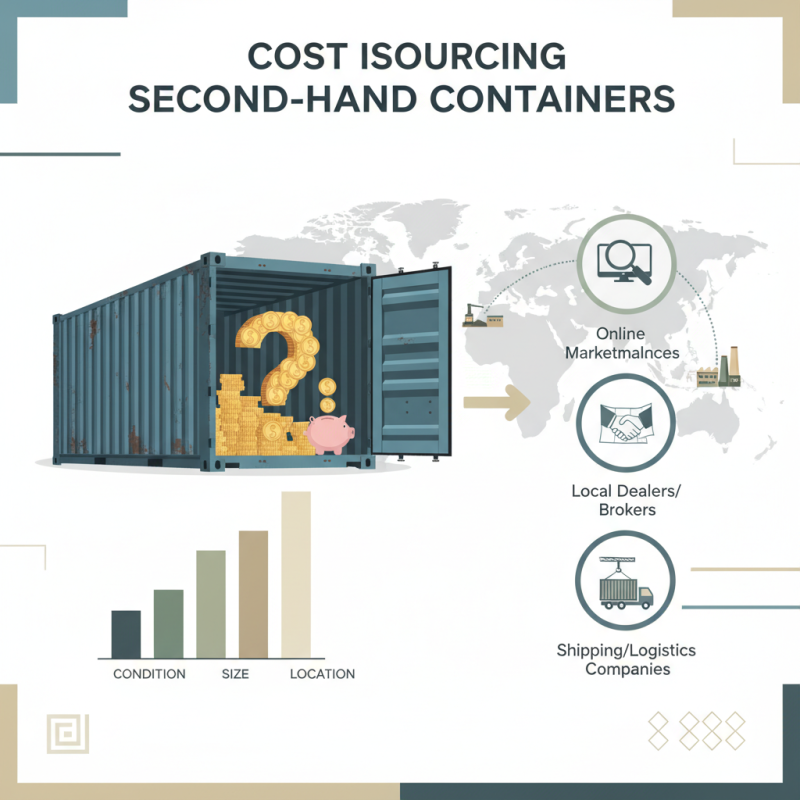
Determining the cost of second hand shipping containers can depend on several factors, including the container's condition, size, and the location of purchase. Prices can vary widely, making it crucial for potential buyers to explore different options available in the market. In this guide, we will delve into the various factors that influence the pricing of second hand shipping containers and provide insights on where to find them. By understanding the market landscape, customers can make informed decisions that align with their budget and project needs.
Understanding the Basics of Second Hand Shipping Containers
When considering the purchase of second-hand shipping containers, it's essential to understand the basics to make informed decisions. These containers are often sold after their initial use in shipping goods across the world, which typically ranges from 10 to 20 years. According to the International Maritime Organization, over 5 million shipping containers are in circulation today, meaning there is a vast market for second-hand options. This availability often results in lower prices, with costs generally ranging from $1,500 to $3,000, depending on the condition, size, and location of the containers.
One crucial factor to consider is the grading system used to assess the quality of second-hand containers. The Institute of International Container Lessors outlines several grades, from “one-trip” containers that are nearly new to “wind and watertight” containers that may show signs of wear but are still functional. Understanding these classifications can help buyers make better choices based on their specific needs, whether for storage, habitation, or innovative building projects.
Additionally, with the growing trend of sustainable practices, repurposing these containers aligns with environmentally friendly initiatives, further increasing their appeal in the market.
Factors Influencing the Cost of Second Hand Shipping Containers
The cost of buying second-hand shipping containers can vary significantly based on several influencing factors. One of the primary considerations is the container's condition. Containers that are slightly used or refurbished typically command a higher price than those that show signs of wear and tear. Buyers looking for units with fewer dents, rust, or repairs may find themselves paying a premium, as these containers can ensure better durability and longevity for varied applications.
Another vital factor impacting the cost is the type and size of the container. Standard 20-foot and 40-foot containers are most commonly available, with larger options generally costing more. Additionally, specialized containers, such as refrigerated models or those with custom modifications, can have substantially higher price points due to their specialized features. Geographic location also plays a role; proximity to shipping ports or container depots often means lower transportation costs, making it easier to find competitively priced options.
Market demand is yet another element that influences pricing. During peak construction seasons or periods of high trade activity, the demand for shipping containers can drive prices up. Conversely, economic downturns may lead to lower demand and subsequently lower prices. Therefore, understanding these factors can help potential buyers strategize their purchases effectively, seeking out the best value in their second-hand container investments.
Where to Find Second Hand Shipping Containers for Sale
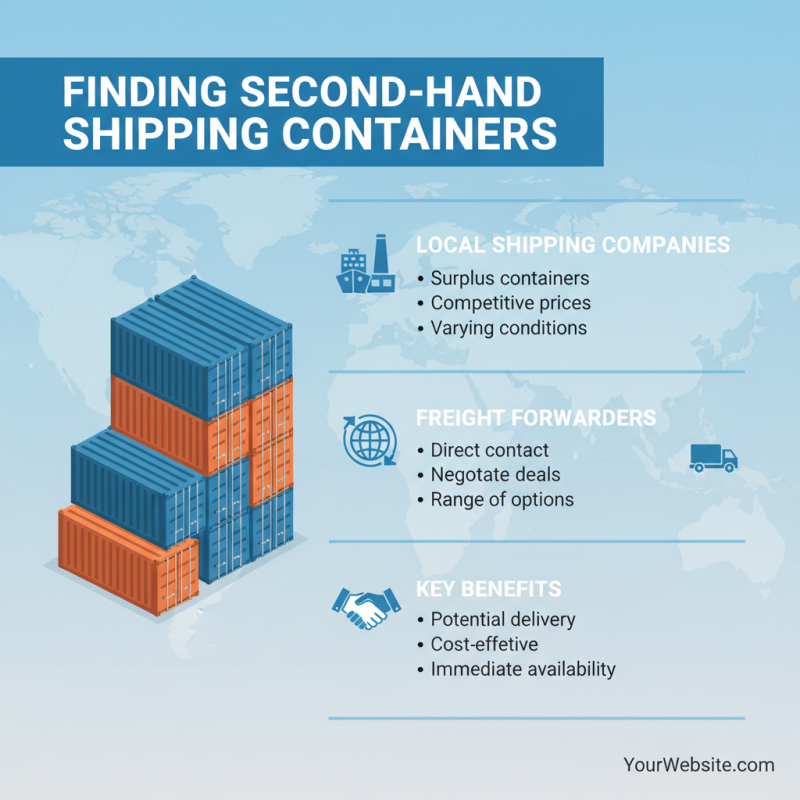
When searching for second-hand shipping containers, various avenues can provide ample options. One popular route is to explore local shipping companies or freight forwarders. Many businesses have surplus containers that they are willing to sell at competitive prices. By directly contacting these companies, you may find containers in varying conditions, which can be advantageous depending on your specific needs. Additionally, some of these companies might offer delivery services, simplifying the purchasing process.
Another effective way to locate second-hand shipping containers is through online marketplaces. Websites that specialize in used industrial equipment often have listings for shipping containers. These platforms allow you to compare prices, conditions, and sizes, empowering you to make an informed decision. Furthermore, social media groups and forums focused on container sales can provide unique leads and recommendations from fellow buyers. Networking in these spaces can uncover deals that are not typically advertised on mainstream platforms.
Comparing Prices from Different Suppliers and Locations
When considering the cost of buying second-hand shipping containers, location plays a critical role in the price range. According to a 2023 industry report from Container Tracers, the average price for a used container can vary significantly, with prices ranging from $1,500 to $3,000 depending on the region and condition of the container. Coastal areas tend to offer lower prices due to proximity to shipping routes, while inland locations may see a premium due to transportation costs and limited availability.
In addition to geographic factors, suppliers differ in pricing based on their inventory and service offerings. An analysis of data from Shipping Container Market Insights in 2023 indicates that smaller local suppliers may offer more competitive prices than larger, established companies. However, it’s essential to consider additional costs that might come with purchasing, such as delivery fees, modifications, and taxes, which can add anywhere from $200 to $800 to the overall price. Potential buyers should also check for deals or bulk purchase discounts, which some suppliers offer to clear out older stock, providing an opportunity to secure savings while acquiring the necessary containers.
Cost of Buying Second Hand Shipping Containers
This chart illustrates the prices of second-hand shipping containers across different locations. The prices vary based on supply and demand in each area, showing how market conditions influence container costs.
Tips for Inspecting and Buying Second Hand Shipping Containers
When considering the purchase of second-hand shipping containers, it’s essential to conduct a thorough inspection to ensure you’re making a sound investment. First and foremost, check the overall structure for any signs of rust or damage. Look for dents, especially around the corners, as these can compromise the integrity of the container. Pay close attention to the floor condition; a sound floor is crucial for stability, so inspect for any rot or water damage.
Additionally, it’s important to examine the container's doors. Ensure they open and close smoothly and check for any gaps that could allow water ingress. A good seal is vital for protecting the contents stored inside. Another useful tip is to request the container’s history, including previous uses and any repairs made, which can give you insight into its remaining lifespan.
Lastly, if possible, consider hiring a professional to review the container before purchase. They can identify potential issues that may not be immediately apparent, providing you with peace of mind. Always remember to compare prices from various suppliers, as costs can vary significantly based on condition, age, and location, helping you secure the best deal for your needs.