What Is Concrete Batching Plant and How Does It Work?
Concrete batching plants play a crucial role in the construction industry. They ensure precise mixing of concrete ingredients, leading to high-quality results. Dr. Emily Carter, an industry expert with over 15 years of experience, states, "A concrete batching plant is at the heart of any major construction project." This emphasizes its significance.
What Is Concrete Batching Plant? It is a facility where different ingredients are combined to produce concrete. This process involves measuring materials like cement, aggregates, and water to achieve desired specifications. The accuracy in this process directly impacts the durability of the structure being built. Each ingredient must be weighed and combined correctly.
Moreover, operating a concrete batching plant requires skilled personnel. They must understand the complexities of the mixing process and the importance of quality control. Despite advanced technology, human judgment is still vital. Each project presents unique challenges that a batching plant must navigate. This highlights the importance of continual learning and adaptation within the industry. While automation improves efficiency, the human element cannot be overlooked.
What is a Concrete Batching Plant?
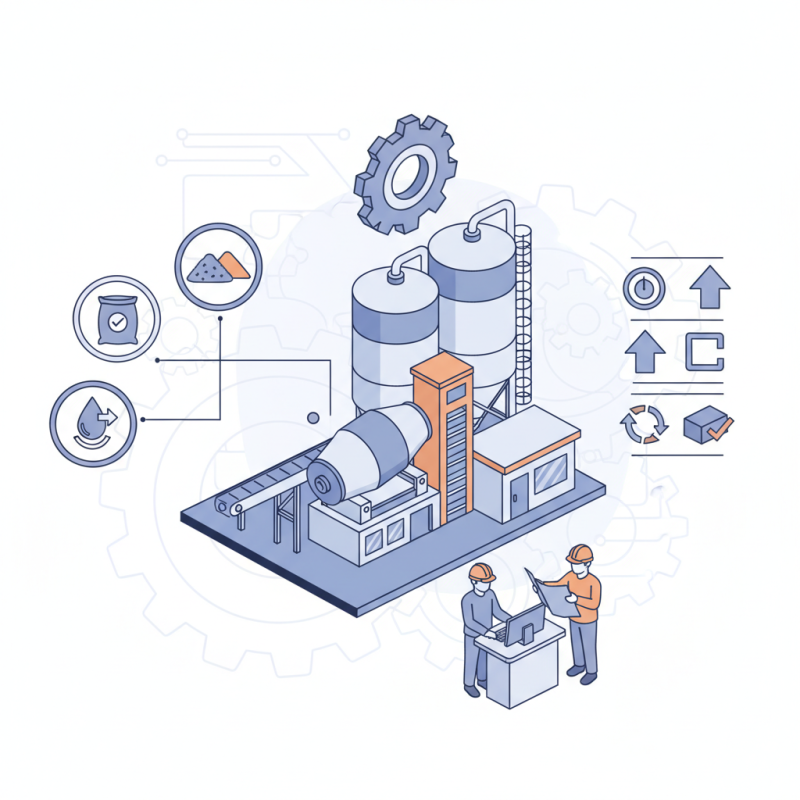
A concrete batching plant is a facility for mixing and preparing concrete. It combines various ingredients, including cement, water, and aggregates. The mixing process provides the desired consistency and quality for construction projects. These plants are crucial for large construction sites, ensuring timely and efficient concrete supply.
Concrete batching plants come in two main types: stationary and mobile. Stationary plants are fixed and best for large projects. Mobile plants offer flexibility and can relocate easily. Operators need to monitor the mixing process closely. Even minor errors in proportions can affect the quality of concrete.
Tips: Always keep the equipment clean. This prevents contamination and ensures high-quality concrete production. Regular maintenance is vital to avoid unexpected breakdowns. Operators should receive thorough training to understand the equipment properly. Investing in staff knowledge improves overall efficiency.
Key Components of a Concrete Batching Plant
Concrete batching plants are crucial for producing concrete efficiently and consistently. They primarily consist of several key components: mixers, aggregate storage bins, cement silos, and a control system. Each part plays a distinct role in ensuring the final product meets quality standards.
The mixer is the heart of the plant. It combines aggregates, water, cement, and additives into a homogenous mixture. Studies show that the quality of the mixing process significantly influences the concrete’s strength and durability. For instance, poorly mixed concrete can lead to weak structures, affecting longevity. Developers often overlook the importance of consistent mixing times and conditions.
Aggregate storage bins store essential materials like sand and gravel. They often require careful management to prevent segregation. A recent report indicates that around 15% of concrete failures stem from improper aggregate handling. The control system monitors the entire process, ensuring that proportions are accurately maintained. This technology can minimize errors and maximize output efficiency. However, reliance on automated systems can lead to a lack of skilled oversight, which remains a concern in the industry.
The Process of Concrete Production in Batching Plants
Concrete batching plants play a crucial role in the production of concrete. The process begins with precise measurement of ingredients. Various materials, such as cement, aggregates, and water, are combined in specific ratios. These measurements are vital for achieving the desired concrete quality. Even slight variations can lead to significant differences in strength and durability.
Once materials are gathered, they are mixed thoroughly. This mixing can be done in a stationary or mobile mixer, depending on the plant's design. The blending process ensures uniform consistency, which is essential for the final product. However, improper mixing can result in poor quality concrete. Operators must pay attention to mixing times and techniques, as they directly affect the outcome.
After mixing, concrete is transported to its intended site. This may involve using trucks or pumping systems. Timeliness is critical, as concrete begins to set shortly after mixing. Operators face challenges such as ensuring the mixture remains workable. Managing this aspect requires experience and skill. The entire process demands attention to detail, from ingredient measurement to delivery.
Different Types of Concrete Batching Plants
Concrete batching plants come in different types, each serving unique needs in construction projects. The two main categories are stationary and mobile batching plants. Stationary plants are fixed installations that typically produce large volumes of concrete. They are well-suited for projects with a steady supply requirement. Mobile plants, on the other hand, offer greater flexibility. These units can be moved to various sites, making them ideal for smaller or remote projects.
In addition, there are other variations, including compact and volumetric batching plants. Compact plants maximize space efficiency while maintaining high output levels. They are popular in urban environments where space is limited. Volumetric plants mix concrete on demand. This allows for precise control over the mix and reduces waste. However, the need for trained personnel to operate these machines can be a drawback.
Choosing the right type involves more than just capacity. Site conditions, project duration, and material availability all play crucial roles. Each type has its advantages and challenges. Understanding these can help in making the best decision for your specific needs. The diversity in batching plants reflects the ever-evolving demands of the construction industry.
Advantages of Using Concrete Batching Plants for Construction
Concrete batching plants play a pivotal role in modern construction. They enable precise mixing of concrete in a controlled environment. According to industry reports, using batching plants can increase accuracy by up to 95%. This precision reduces waste and enhances quality. It is crucial for large projects where consistency is necessary.
Another advantage is efficiency. Batching plants can produce large quantities of concrete quickly. Some plants can deliver up to 150 cubic meters of concrete per hour. This speed significantly shortens project timelines. Quick production can help businesses save on labor costs as well. However, the initial investment in these plants can be substantial, which might deter some companies.
On the other hand, environmental considerations are growing in importance. Reports indicate that concrete production accounts for nearly 8% of global CO2 emissions. Batching plants can mitigate this impact by optimizing the use of raw materials. Implementing recycling systems can further improve sustainability. Nonetheless, there is a gap in awareness about these eco-friendly technologies. Many firms still rely on traditional methods that are less efficient. This presents an opportunity for improvement and innovation in the industry.