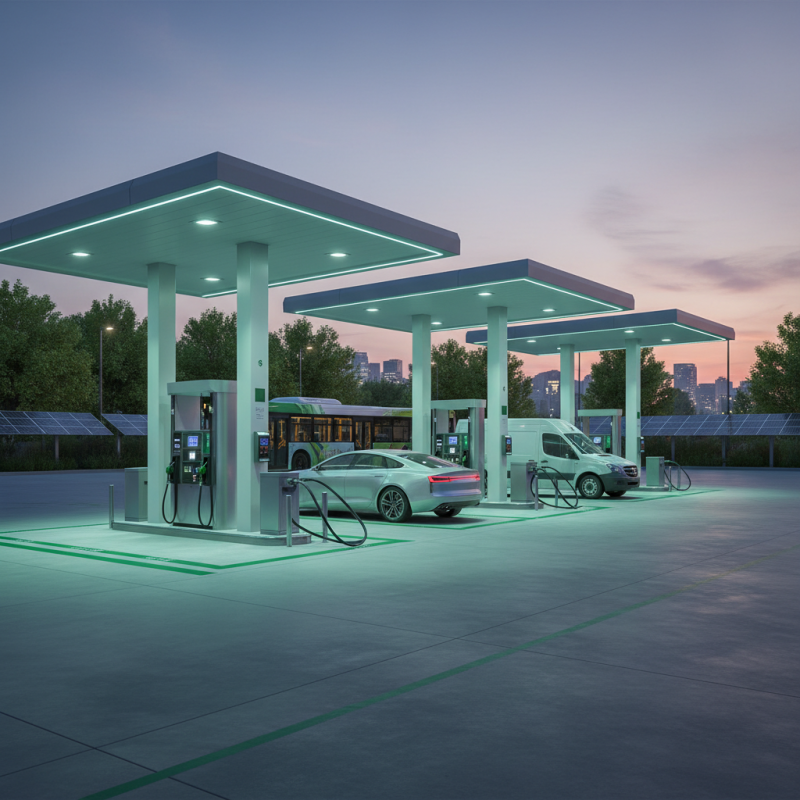
What is a CNG Filling Station and How Does It Work?
A Cng Filling Station serves as a crucial hub for compressed natural gas vehicles. As green transport options grow, understanding these stations becomes important. They provide an efficient way to fuel vehicles while reducing emissions.
CNG, or compressed natural gas, is a cleaner alternative to gasoline and diesel. These filling stations are equipped with specialized pumps that compress natural gas, making it easier to store and transport. Users can fill their vehicles quickly, often within minutes.
However, the infrastructure for CNG filling stations can be limited in some areas. This may lead to concerns about accessibility and convenience for drivers. It's essential for potential users to consider these factors when switching to CNG vehicles. Embracing this technology also requires ongoing discussions about availability and improvements in the surrounding infrastructure.
What is CNG and Why is it Used as a Fuel?
Compressed Natural Gas (CNG) is gaining traction as a sustainable fuel option. It primarily consists of methane, which burns cleaner than gasoline or diesel. According to the U.S. Department of Energy, CNG reduces greenhouse gas emissions by up to 30% compared to traditional fuels. This makes it an attractive choice for fleets and public transportation systems seeking to lower their carbon footprint.
The benefits of CNG extend beyond the environment. CNG is often less expensive than gasoline. According to recent industry reports, the price per gasoline gallon equivalent of CNG typically ranges from $1.50 to $2.50. This cost-effectiveness encourages businesses and individuals to invest in CNG vehicles. However, the infrastructure for refueling stations remains a significant challenge. Many regions lack adequate CNG stations, limiting its widespread adoption.
While CNG presents many advantages, it also has downsides. The storage and distribution systems for CNG are not as established as those for conventional fuels. Additionally, there can be safety concerns associated with its high-pressure storage. Continuous advancements in technology and infrastructure are necessary to ensure CNG can be a reliable alternative. These factors require ongoing evaluation and strategic planning within the industry.
Understanding the Components of a CNG Filling Station
A CNG filling station is designed for compressed natural gas, or CNG. Understanding its components is crucial for safe and efficient operations. The primary elements include gas compressors, storage tanks, and dispensers. Each part plays a vital role in maintaining the integrity of the CNG supply.
The gas compressor compresses natural gas to high pressures. This process reduces gas volume for easier transportation. Storage tanks hold the compressed gas until it is needed. These tanks must meet stringent safety standards to prevent leaks. The dispenser allows users to fill up their vehicles quickly. Design and technology ensure a smooth refueling experience.
An essential element often overlooked is safety monitoring systems. They detect leaks or malfunctions. Regular maintenance checks are crucial but sometimes neglected. Ensuring all components are functioning correctly is a challenge. While the technology behind CNG filling stations is advanced, it requires ongoing attention. Each station's efficiency relies on both equipment and human oversight.
What is a CNG Filling Station and How Does It Work? - Understanding the Components of a CNG Filling Station
| Component | Description | Function |
| Compressor | A machine that compresses natural gas to a high pressure for storage and refueling. | Increase gas density for efficient storage and refueling. |
| Storage Tanks | Containers that hold compressed natural gas (CNG) at high pressure. | Store CNG until it is needed for refueling vehicles. |
| Dispenser | Equipment used to dispense CNG into the vehicle's fuel tank. | Facilitate the transfer of CNG from the station to the vehicle. |
| Control System | Automated system that monitors and controls the operation of the station. | Ensure safe and efficient operation of the filling process. |
| Safety Systems | Includes pressure relief valves, leak detectors, and emergency shutoff systems. | Prevent accidents and ensure the safety of operations. |
The Process of Filling a CNG Vehicle: Step by Step
Filling a CNG vehicle is a straightforward process, yet several steps ensure safety and efficiency. At a CNG filling station, vehicles are parked close to the dispenser. The driver steps out and retrieves the nozzle from the dispenser. It resembles a traditional gasoline pump but has unique fittings designed for CNG.
Before attaching the nozzle, drivers should inspect it. Look for any signs of wear, or damage. Safety is paramount. CNG nozzles have safety features to prevent accidental disconnections. Once connected, the driver initiates the filling process. The pump controls the flow and monitors pressure levels throughout.
During the filling, watch for signs of overpressure. It's essential to understand that CNG should fill steadily. An abrupt stop or pressure spike is an indication of an issue. Once the tank is full, a click indicates automatic cutoff. Detach the nozzle carefully to avoid any gas release.
Tips for a smooth experience: Always ensure the tank is properly secured and not overfilled. Also, familiarize yourself with the station's layout. Knowing where emergency shut-off valves are can be beneficial. Inexperienced users may feel uncertain, but practice reduces anxiety.
Safety Precautions at CNG Filling Stations
Safety is a critical factor at CNG (Compressed Natural Gas) filling stations. These facilities fuel vehicles with compressed natural gas, which, while cleaner than traditional fuels, requires strict safety measures. According to the International Association for Natural Gas Vehicles, CNG is lighter than air and disperses quickly, making proper ventilation essential. High-pressure equipment needs regular maintenance to prevent leaks. Operators and users alike must be aware of emergency protocols.
Tips for users: Always inspect the nozzle before filling. A damaged nozzle can lead to hazardous leaks. Additionally, watch for any unusual sounds during the fueling process; these may indicate a problem. Be mindful of surroundings and maintain a safe distance from vehicles while fueling.
It's also vital that CNG stations have clear signage and protocols. Lack of clarity can lead to confusion or accidents. Training staff to handle emergencies is not just beneficial; it's necessary. An incident report from the U.S. Department of Transportation shows that inadequate training can escalate issues rapidly. Prioritize safety as a collective responsibility, not just a regulatory requirement.
Future Trends in CNG Infrastructure and Technology
The infrastructure for CNG, or compressed natural gas, is evolving rapidly. New technologies are emerging, making these stations more efficient and user-friendly. For instance, advancements in pipeline materials and compressing techniques improve safety and reduce maintenance costs. Renewable energy sources are becoming incorporated into CNG stations, contributing to climate goals.
Tips: Regularly check your local CNG station’s website for updates on technology enhancements. This ensures you stay informed about the best times for refueling.
Another exciting trend is the integration of digital payment systems. Customers can now pay through apps, which makes the process faster. Automated systems at stations enhance user experience, but potential technical issues can arise. Always have a backup payment method handy.
Tips: Familiarize yourself with the app interface before your next refueling. Understanding its features can save you time.
In summary, the future of CNG infrastructure is bright, yet there are areas to improve reliability. Continuous learning and adaptation will be key for users navigating these changes.