How to Choose the Right Shipping Containers for Your Needs?
When selecting the right shipping containers, it's crucial to understand their diverse applications. John Smith, a veteran in the shipping industry, once said, "Choosing the right shipping container can make or break your logistics strategy." His insight emphasizes the importance of this decision.
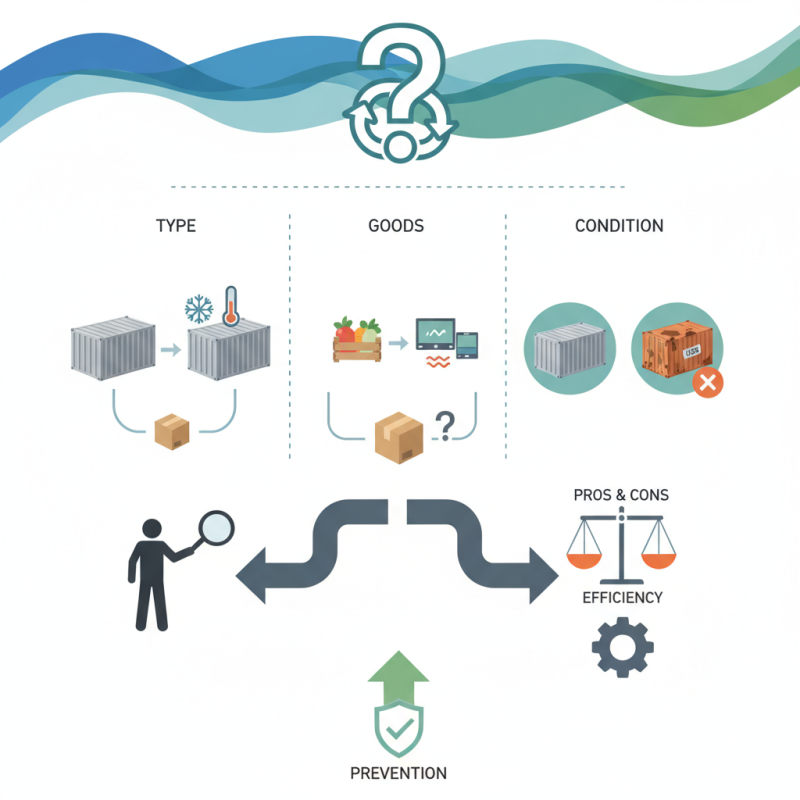
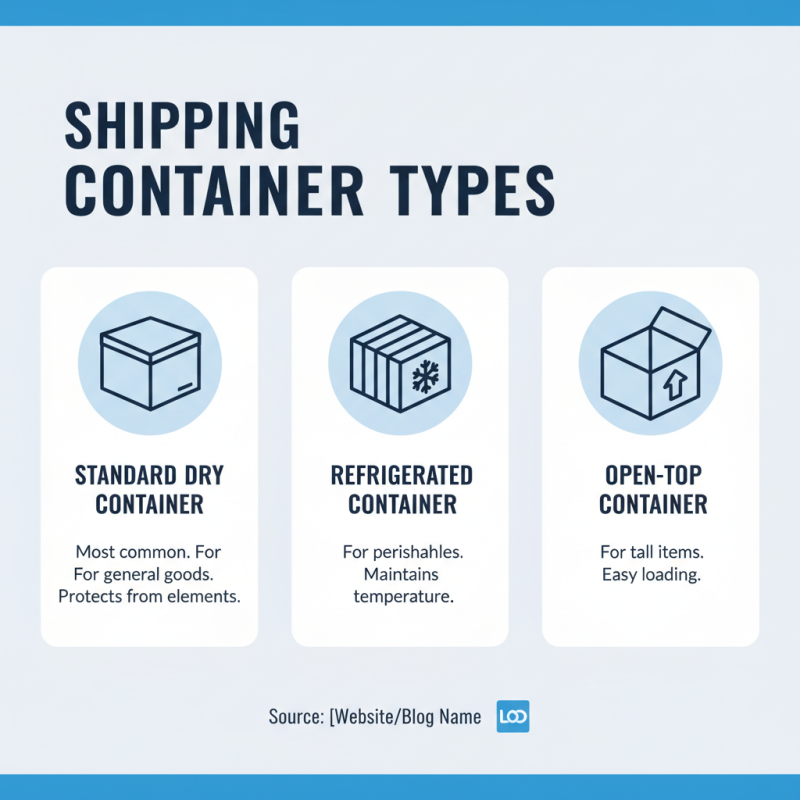
Shipping containers come in various sizes and types. You may need a standard dry container or a refrigerated one. Each serves a different purpose. It's essential to consider what goods you plan to transport. Will they be sensitive to temperature? This affects your choice.
Many forget to assess the condition of the containers, as quality can vary. Are you choosing new or used containers? Each option has pros and cons. It's easy to overlook these details, yet they can greatly impact your shipping efficiency. You may find the process challenging, but addressing such issues upfront can prevent headaches later on.
Factors to Consider When Selecting Shipping Containers
When selecting shipping containers, consider size first. Are you transporting furniture, machinery, or spare parts? Containers come in various dimensions. A 20-foot container is often enough for smaller loads. Larger items may require 40-foot containers. Think carefully about your inventory.
Quality is crucial. Not all containers are the same. Inspect for rust, dents, and structural damage. A damaged container may not protect goods well. You might need repairs or replacements, which adds cost and time. Consider how weather conditions could affect your choice. A container poorly sealed might lead to moisture damage.
Tips: Always measure your cargo. Ensure there's enough space for securing items. A tight fit is not always a good fit. Consider the container’s history. A previously used container may have hidden issues. Reflect on your future needs. If your business grows, would a larger container be necessary? Don’t overlook these details.
How to Choose the Right Shipping Containers for Your Needs? - Factors to Consider When Selecting Shipping Containers
| Container Type |
Size (Length x Width x Height) |
Weight Capacity (kg) |
Common Uses |
Material |
Insulation Options |
| General Purpose |
20ft x 8ft x 8.5ft |
30,000 |
Transporting various goods |
Steel |
No |
| Refrigerated |
40ft x 8ft x 9.5ft |
29,000 |
Perishable goods transport |
Steel with insulation |
Yes |
| Open Top |
40ft x 8ft x 8.5ft |
30,480 |
Heavy machinery or bulk goods |
Steel |
No |
| High Cube |
40ft x 8ft x 9.5ft |
30,480 |
High-volume cargo |
Steel |
No |
| Flat Rack |
20ft x 8ft |
27,000 |
Oversized cargo transport |
Steel |
No |
Assessing Container Condition and Maintenance Needs
When choosing the right shipping containers, assessing their condition is crucial. Approximately 30% of containers may have rust, leaks, or structural issues, which can compromise their integrity. A thorough inspection is essential. Look for signs of wear, such as dents or corrosion.
A well-maintained container can last over 20 years, while a neglected one can fail within a few years.
Maintenance needs vary significantly. Regular cleaning and rust prevention can extend a container's lifespan. Some owners report that a simple coat of paint can save an otherwise deteriorating container. Remember that maintenance is an ongoing process, not a one-time task.
Ignoring minor issues can lead to costly repairs. For instance, small leaks can lead to mold and rot inside the container. Industry data shows that about 15% of containers fail inspections due to these overlooked problems. Staying proactive, performing routine checks, and investing in minor repairs can prevent larger headaches down the road.
Understanding Size and Space Requirements for Shipping Containers
When selecting shipping containers, understanding size and space requirements is crucial. Shipping containers come in various dimensions. Standard sizes include 20-foot and 40-foot options. Consider the volume of your goods first. Will they fit comfortably? Overloading a container can lead to issues during transport.
Also, think about accessibility. Where will the container be located? Ensure there is enough space for loading and unloading. A tight area can complicate matters. There’s no point in securing a large container if it can’t be accessed easily. You may need additional space for maneuvering.
Reflect on the future too. Are your shipping needs likely to change? If so, a slightly larger container might be a better investment. A smaller container, while economical, could become a hassle if growth occurs. Choose wisely, as this decision can impact logistics significantly.
Shipping Container Size Comparisons
This bar chart illustrates the volume differences among various sizes of shipping containers. The sizes include 10 ft, 20 ft, 40 ft, and 40 ft High Cube containers, showcasing their respective volumes in cubic feet. Understanding these dimensions is crucial for selecting the right shipping container for your needs.
Cost Analysis: Budgeting for Your Shipping Container Needs
When considering shipping containers, budgeting is crucial. Prices can vary significantly based on the container's size and condition. A used container might cost less, but it may require repairs. New containers offer reliability but can be pricey. It's essential to assess your specific needs first.
Consider all factors, such as transportation costs and delivery logistics. Unexpected fees can sneak in, impacting your budget. Take the time to explore different options. Check local suppliers or online marketplaces. Compare prices and conditions carefully. Not every container will fit your budget perfectly, leading to potential compromises on size or durability.
It’s also wise to factor in maintenance costs. Even sturdy containers need upkeep. Rust can develop, especially in damp environments. This ongoing cost can add up over time. Always leave room in your budget for these expenses. Reflect on your long-term needs and how often you'll use the container. Budgeting lacks a one-size-fits-all approach. Each situation is unique, requiring thoughtful consideration.