How to Choose the Right Rail Transfer Cart for Your Needs?
Choosing the right Rail Transfer Cart can significantly impact your operations. These carts are essential for moving heavy materials efficiently. However, selecting the best one involves understanding your specific needs and the available options.
Different applications require different features in a Rail Transfer Cart. Factors like load capacity, power source, and track compatibility matter. Some industries favor electric-powered options for seamless operations. Others might need heavy-duty carts for larger loads. Reflecting on your requirements helps narrow down choices.
Quality and reliability are crucial. A reputable supplier offers assurance through durable designs and dependable support. It’s also wise to consider user reviews and expert recommendations. Keep in mind that the right choice can enhance productivity, but making an uninformed decision might lead to setbacks. Prioritizing needs will guide you to the best Rail Transfer Cart for your business.
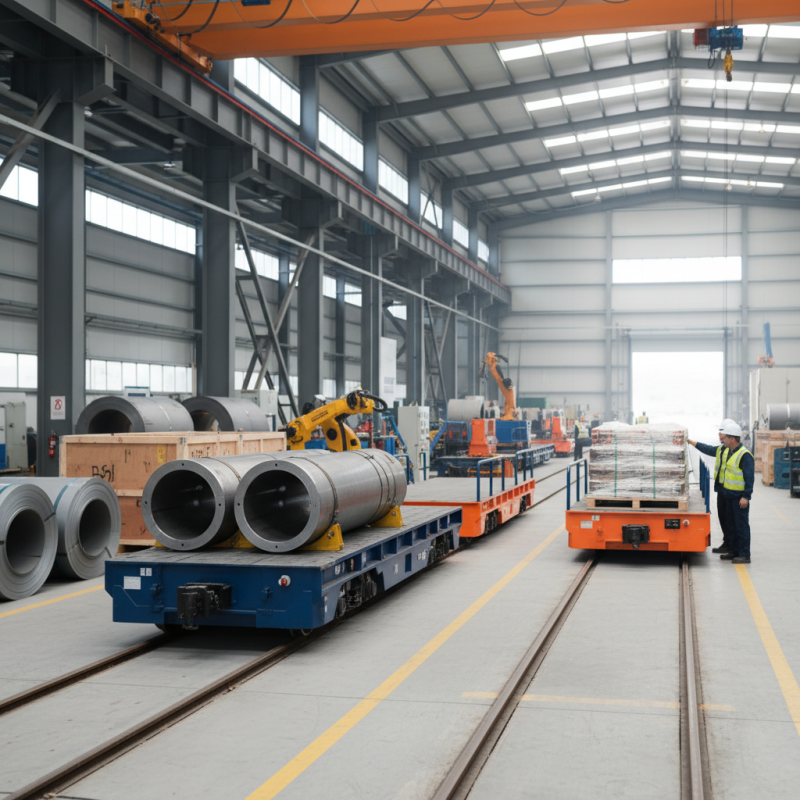
Understanding the Different Types of Rail Transfer Carts
When selecting a rail transfer cart, understanding the types available is crucial. Rail transfer carts come in various designs and functionalities. Some are powered by electricity, while others operate using battery systems. The choice can significantly affect your operational efficiency and logistics workflow.
Consider the weight capacity of the cart. Some models can handle heavy loads, while others are suited for lighter packages. It’s essential to assess what kind of materials you will be transporting. Heavy-duty models may be overkill for lighter products. Conversely, using a lighter cart for heavy loads can lead to accidents and mechanical failures.
**Tips:** Always evaluate the terrain where the cart will operate. Smooth tracks require different specifications compared to uneven surfaces. Additionally, think about safety features. While many carts come equipped with basic safety mechanisms, you might want to customize or upgrade these features for added protection.
You should also reflect on the future needs of your operation. As your business grows, the demands on your rail transfer cart may change. A model that meets your current requirements may not suffice down the road. Consider a versatile design that can adapt to evolving needs.
Assessing Your Load Capacity and Weight Requirements
Choosing the right rail transfer cart hinges on understanding load capacity and weight requirements. Each operation is unique, so thorough assessment is paramount. Start by calculating the maximum weight you intend to transport. This number influences not only the cart design but also its power and performance.
Consider the types of materials being moved. Heavy machinery requires robust carts, while lighter goods can utilize more compact models. An underestimating of weight can lead to cart failure. Conversely, over-specifying might result in unnecessary costs. Remember that safety is paramount.
Evaluate your workspace, too. Narrow aisles or tight corners could limit your options. Some carts may excel in flat environments but struggle on inclines. Assessing your specific needs ensures you select the best cart for efficient operations. Each detail matters in optimizing functionality and safety.
Evaluating Power Sources for Rail Transfer Carts
When selecting the right rail transfer cart, evaluating power sources is crucial. Different power options, such as battery, electric, and diesel, offer varying benefits. For instance, battery-powered carts are often more eco-friendly but may require regular charging. In contrast, diesel options provide longer operational times but can lead to higher emissions and maintenance costs.
According to industry insights, about 40% of businesses prioritize energy efficiency in their choice of rail transfer carts. Electric carts can reduce energy costs by up to 30% compared to diesel models. However, the initial investment for electric solutions may be higher. Consider also the type of operation: indoor settings may favor electric models, while outdoor applications might benefit from diesel power.
Tips: Assess your environment before making a decision. If your facility is well-ventilated, diesel could be viable. Evaluate the total cost of ownership, including maintenance and energy consumption. Ensuring you have a comprehensive understanding of your operational needs will lead to a more informed choice.
Considerations for Track Compatibility and Design
Choosing the right rail transfer cart requires careful consideration of track compatibility and design. The compatibility of your cart with existing tracks can significantly impact your operations. Experts suggest that only 30% of businesses fully assess their track conditions before making a purchase. Ignoring the nuances can lead to inefficiencies. If your tracks are uneven or misaligned, you may experience frequent breakdowns and increased maintenance costs.
When selecting a rail transfer cart, understand your specific design needs. For example, a standard flat design may not suit all environments. Data from industry reports highlight that customized carts can improve efficiency by up to 20%. A recent study showed that businesses that utilized tailored designs saw a marked reduction in downtime. Consider factors like weight capacity and load distribution. A poorly designed cart can strain your tracks and lead to costly repairs.
Track dimensions also matter. Narrow tracks might limit your options, while wider tracks can allow for better maneuverability. According to a survey of industry professionals, about 45% reported issues with track width adaptability. These challenges underscore the importance of aligning your cart's design with your track specifications. Thoughtful planning can prevent operational hiccups and enhance productivity in the long run.
Budgeting and Cost Factors in Selecting Rail Transfer Carts
When selecting a rail transfer cart, budgeting is crucial. Many factors influence the overall cost. The size, capacity, and features of the cart directly affect the price. For instance, larger carts designed for heavier loads typically come at a higher cost. It's essential to assess your specific needs before making a decision.
Consider additional costs beyond the initial purchase. Maintenance expenses can add up over time. If a cart requires specialized parts or professional servicing, budget accordingly. These ongoing costs can impact your overall investment and should not be overlooked. Also, think about the lifespan of the cart. A low-cost option may need to be replaced more often, resulting in higher long-term expenses.
One must also evaluate financing options. Some may offer lower initial costs but lead to higher overall payments. Ensure you read the fine print and understand the implications. Reflecting on these budget factors will help in making an informed choice. After all, the right investment today can lead to savings tomorrow.
How to Choose the Right Rail Transfer Cart for Your Needs? - Budgeting and Cost Factors in Selecting Rail Transfer Carts
| Feature | Description | Cost Factor |
| Load Capacity | The maximum weight the cart can carry. | Higher capacities generally increase costs. |
| Size and Dimensions | The physical size of the cart; must fit operational needs. | Larger sizes may require more budget. |
| Power Source | Electric, manual, or hybrid options. | Electric models usually incur higher upfront costs. |
| Durability | Material quality and resistance to wear. | More durable carts may have a higher price tag. |
| Customization Options | Ability to modify features according to needs. | Customization increases overall cost. |
| Maintenance Requirements | Frequency and cost of upkeep for the cart. | Higher maintenance can add to lifetime costs. |