How to Choose the Right Panel Lock For Electric Box?
Selecting the appropriate panel lock for electric boxes can be daunting. It is crucial for safety and functionality. "A reliable panel lock can safeguard sensitive electronic components," says John Smith, a leading expert in electrical security systems. Differentiating among various options is essential. Factors like size, material, and locking mechanism must be considered.
Experts emphasize that not all panel locks are created equal. Some locks may look robust but can easily be compromised. The integrity of your electric box depends on a high-quality panel lock. Choosing the right one requires balancing security needs with practical applications. This may seem simple but demands careful thought.
Reflecting on personal experiences can help. An incorrectly chosen panel lock can lead to security issues. Investing time in research can save future headaches. Selecting a panel lock for electric boxes isn’t just a choice; it’s a commitment to quality and safety.
Types of Panel Locks for Electric Boxes
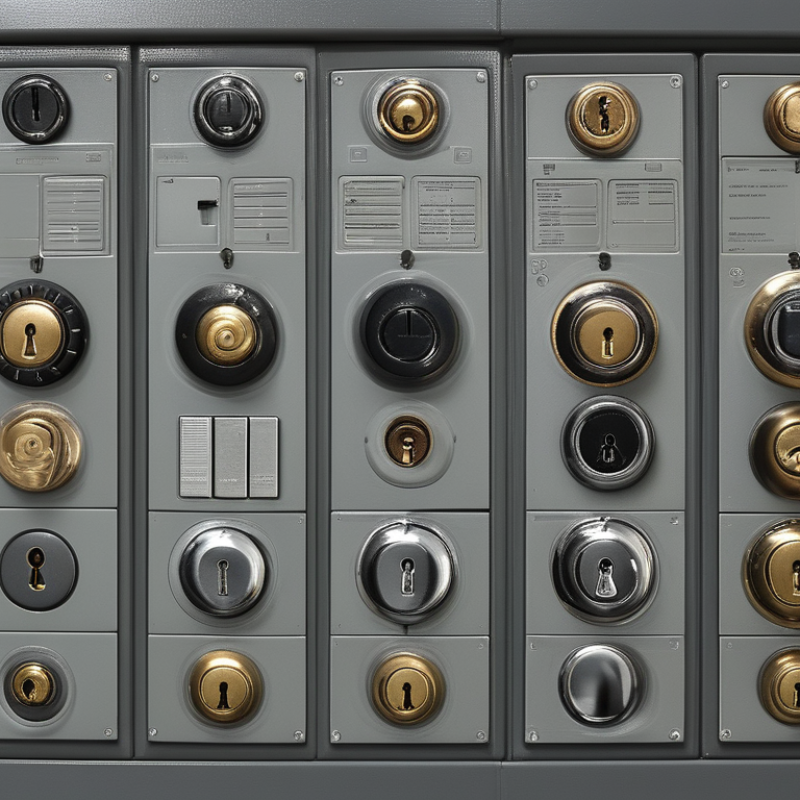
When selecting a panel lock for electric boxes, understanding the types available is crucial. There are several types, each designed for different needs. A common choice is the cam lock. These are simple yet effective. They operate with a rotating cam mechanism, offering convenience and security. They work well for smaller enclosures and can be easily installed.
Another option is the padlock hasp. This is more versatile and often used for larger boxes. It requires a padlock, allowing users to choose their own level of security. This type can pose challenges, as the strength of security relies on the quality of the padlock itself. Consider the environment too. For outdoor installations, weather-resistant locks are important to ensure durability.
Lastly, electronic locks have gained popularity. These provide advanced security features. However, they come with a higher price point and depend on battery life. Users may find themselves in a situation where the lock fails due to power issues. This could lead to access problems. It’s essential to weigh the pros and cons of each type to make a well-informed decision.
Factors to Consider When Choosing a Panel Lock
When selecting a panel lock for an electric box, several factors come to the forefront. Security should always be the top priority. You want a lock that can withstand tampering and unauthorized access. Consider the strength of materials used. Steel or heavy-duty alloys often provide better protection. The locking mechanism also plays a critical role. Some locks use advanced technology, while others rely on traditional designs. The right choice will depend on your specific needs.
Another important factor is ease of installation. A lock that is complicated to install can pose future challenges. Ensure that you have the necessary tools and instructions. Additionally, think about compatibility with your existing setup. A lock that fits your box perfectly will save time and frustration.
Don’t forget about the environment in which the lock will be used. If it faces exposure to elements, select waterproof or weather-resistant options. Check for reviews or case studies to see how different locks perform under similar conditions. Sometimes, the best way to decide is through trial and reflection. You may discover unexpected benefits or issues during use. Always keep in mind that the right lock is not just about security; it's about peace of mind.
Materials and Durability of Panel Locks
When choosing a panel lock for an electric box, materials play a crucial role. Locks made from stainless steel offer excellent durability. They resist corrosion and wear, making them ideal for outdoor use. Meanwhile, aluminum locks are lightweight and can be ideal for indoor applications where moisture is not an issue. Understanding these materials can guide you in selecting the right lock.
The durability of a panel lock often depends on its intended environment. Some locks are designed to withstand harsh weather conditions. Others may not perform well under extreme temperatures. Consider the installation area carefully. A lock that works perfectly indoors may fail outdoors. Always evaluate the environmental factors before making a decision.
It's equally important to reflect on the long-term use of the lock. Many users overlook how often the lock will be accessed. A lock that seems sturdy might not suit frequent use. Think about the daily routine. Will it endure constant opening and closing? Be mindful of these factors to ensure you choose wisely.
How to Choose the Right Panel Lock For Electric Box? - Materials and Durability of Panel Locks
| Material | Durability | Corrosion Resistance | Common Applications |
| Stainless Steel | High | Excellent | Outdoor Electrical Boxes |
| Zinc Alloy | Moderate | Good | Indoor Electrical Panels |
| Plastic | Low | Fair | Light Duty Applications |
| Aluminum | High | Excellent | Corrosive Environments |
| Brass | Moderate to High | Good | Commercial Use |
Installation and Maintenance Tips for Panel Locks
Installing a panel lock requires careful attention. Begin by selecting a lock that suits the specific electric box you have. Check the dimensions of both the lock and the panel. Ensuring a proper fit is vital. A loose lock may compromise security, leading to potential hazards.
Regular maintenance is essential for optimal performance. Periodically check the lock for any signs of wear or rust. Lubrication can prevent sticking and ensure smooth operation. A lock may appear functional but can fail under stress if neglected. Inspecting its condition will help avoid unexpected issues.
Consider the environment where the lock is installed. Exposure to moisture or dust can affect its longevity. Choosing materials suited for harsh conditions will enhance durability. Think about your specific setting and make adjustments as needed. Engaging in thoughtful planning during installation will pay off in the long run.
Panel Lock Selection Factors and Popularity
Safety Standards and Compliance for Electric Box Locks
When selecting a panel lock for an electric box, safety standards and compliance are critical factors. According to the National Electrical Manufacturers Association (NEMA), electrical enclosures must meet specific safety requirements to prevent unauthorized access and reduce the risk of electrical hazards. The lock's construction should resist corrosion and wear to maintain functionality for years.
Consider that locks rated for outdoor use often have higher specifications. They must withstand extreme weather conditions and environmental factors. A study by the International Electrotechnical Commission (IEC) highlights that non-compliant locks can lead to increased accidents and liability. Always look for certifications that verify compliance with safety standards.
Tips: Check for locks with IP66 ratings. This means they are dust-tight and can withstand powerful water jets. Locks should also comply with UL and CSA standards for added assurance. Look for expert recommendations to ensure you choose the right lock type for your needs. Regularly inspect locks for signs of wear or damage. Keeping locks in good condition is essential for ensuring ongoing safety and operational effectiveness.