How to Choose the Right Diesel Light Tower for Your Needs?
Choosing the right Diesel Light Tower can significantly impact various projects. These light sources are essential in construction sites, outdoor events, and emergency situations. A well-chosen Diesel Light Tower can enhance safety and visibility. It is crucial to understand your specific needs before making a selection.
Different projects may require different features. Some Diesel Light Towers are portable, while others are more robust and suited for long-term use. Consider factors such as brightness, fuel efficiency, and durability when evaluating options. Each project has unique challenges, and the right light tower can make a significant difference.
Many users overlook the importance of power needs and runtime. Understanding how long you will need the light and how much power it will consume is vital. A Diesel Light Tower that meets these criteria can avoid unexpected failures. Reflect on your requirements, and don't hesitate to seek advice from industry professionals. They can provide valuable insights to help you choose wisely.
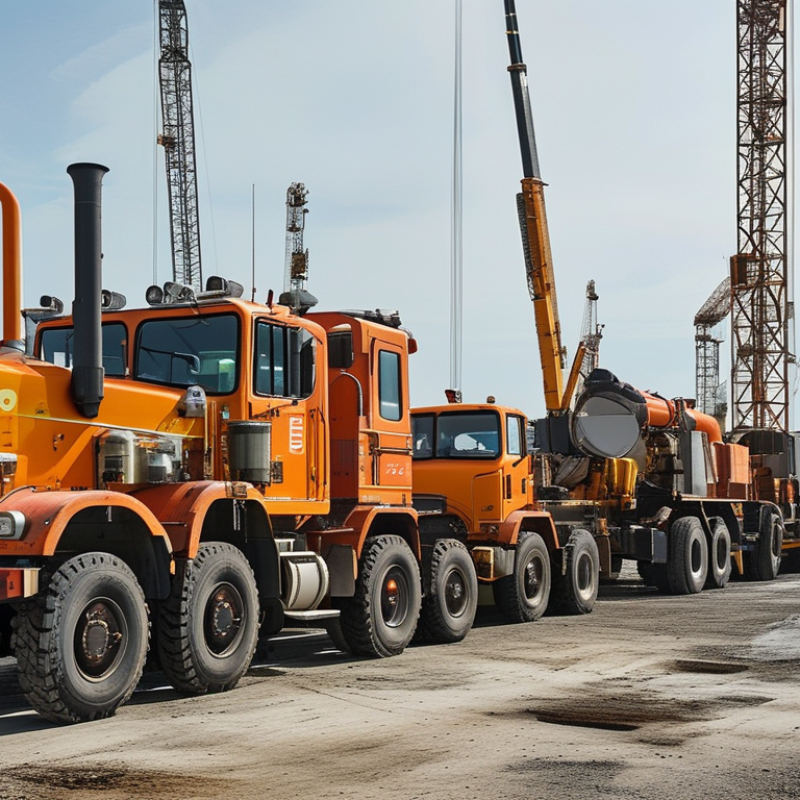
Understanding the Basics of Diesel Light Towers
When choosing a diesel light tower, it's important to understand its fundamental components. Diesel light towers generally come equipped with a powerful generator. This generator powers high-intensity lamps, providing bright lighting for outdoor jobs. Common applications include construction sites, events, and emergency services. Recognizing the power output is crucial; it determines how many lights you can operate simultaneously.
Consider the light tower's mobility as well. Many models have wheels, making them easier to transport. Their design affects how swiftly you can set them up. A heavy unit may be less practical for frequent moves. Fuel capacity also matters; larger tanks mean longer operational time between refuels. Reflect on the runtime needed for your projects.
Lastly, pay attention to noise levels. Some light towers can be quite loud, which may disrupt nearby activities. Check the specifications for sound output in decibels. How the unit performs under various weather conditions is another critical factor. Not all models are built with all-weather durability in mind. Choosing the right diesel light tower requires careful consideration of these characteristics.
How to Choose the Right Diesel Light Tower for Your Needs?
| Feature | Description | Considerations |
| Light Output | Measured in lumens or watts, indicating the brightness level. | Determine the area that needs illumination. |
| Fuel Efficiency | How much fuel the tower consumes over time. | Consider operating hours and fuel costs. |
| Portability | Weight and ease of transport. | Evaluate if transport is crucial for your needs. |
| Height of the Tower | Indicates how high the lights can be positioned. | Assess the height required for your specific lighting needs. |
| Runtime | Duration the tower can operate on a full tank. | Estimate the duration of your project or event. |
| Environment Rating | Resistance to weather and environmental conditions. | Confirm if the tower is suited for your site conditions. |
Identifying Your Lighting Needs and Requirements
Choosing the right diesel light tower begins with identifying your specific lighting needs. Consider the size of your worksite. Larger areas may require multiple towers. Evaluate the types of tasks you will undertake. Construction, events, or emergency situations all have different lighting requirements.
Tips: Determine the height and range of light you need. Check the lumens output. Higher lumens mean better visibility. Assess your power supply options. Some projects may need portable units, while others can accommodate larger machines.
Think about the environment where you'll use the tower. Are you working in remote locations? Portability and fuel efficiency are crucial here. Reflect on the duration of your operation. Continuous use may necessitate larger fuel tanks or maintenance plans. Each of these factors affects your choice. Take your time and weigh your options carefully.
Key Features to Consider When Selecting a Diesel Light Tower
When selecting a diesel light tower, several key features demand attention. First, consider the illumination output. A tower's brightness is crucial for effective lighting. Check the lumen rating closely. It directly affects your project's visibility. A range of 200,000 to 1,000,000 lumens is common.
Next, focus on fuel efficiency. A diesel light tower that consumes less fuel can save costs long-term. Look into its run time as well. Many models can run for over 24 hours on a full tank. This longer duration reduces refueling interruptions.
Portability is another factor not to overlook. Some towers are lightweight and easily transportable. Others may be bulkier but offer more stability. Assess your specific job site needs. Lastly, think about ease of operation and maintenance. Complicated setups can lead to time wastage and frustration. A user-friendly design simplifies the process, allowing you to maximize productivity.
Evaluating Fuel Efficiency and Operating Costs
When choosing a diesel light tower, fuel efficiency and operating costs are critical factors. The average diesel generator consumes about 0.5 to 1 gallon of fuel per hour, depending on the load and model. This consumption greatly affects both operational expenses and environmental impacts. A light tower with lower fuel consumption can significantly reduce costs over time, especially for long-term projects.
In a study conducted by the Diesel Equipment Manufacturers Association, it was reported that the total cost of ownership for light towers can vary significantly. The fuel costs often account for up to 30% of these expenses. Additionally, regular maintenance adds to operating costs, influencing the overall economy of use. Low-emission models may have higher upfront prices but can lead to major savings by minimizing fuel consumption and fines related to environmental regulations.
Considering the long-term implications is essential. Buyers should evaluate not only the initial purchase price but also projected fuel costs and maintenance schedules. Industry insights suggest that even a slight improvement in fuel efficiency can lead to substantial savings over extended periods. Users often encounter complications when balancing the initial investment with ongoing expenses, requiring careful analysis and calculations that are sometimes overlooked.
Assessing Portability and Setup Ease for Your Specific Use Case
When choosing a diesel light tower, portability and ease of setup should be top priorities. Many users overlook these factors, focusing instead on power and runtime. However, if you can't transport and set up the tower easily, it won't serve your needs well.
For jobsites with limited space, consider a compact model. Look for features like foldable legs or built-in handles. These details make moving the tower from one location to another much simpler. Be cautious, though—some lightweight models may sacrifice stability or durability. Assess the weight-to-structure ratio thoroughly.
Tips for efficient setup: Check for quick-connect features in the design. This can save valuable time during setup. Ensure that the tower does not require specialized tools for assembly. Additionally, practice setting up the light tower in a controlled environment. This helps you identify any potential challenges before the actual job. Small adjustments in understanding setup could avoid larger issues later.
Consider your specific use case. Are you working on a construction site or an event? The requirements might differ significantly. Reflect on how often you'll need to relocate the tower, and factor this into your choice. It’s essential to align the tower's capabilities with your regular tasks.