How to Choose the Right 10ft Container for Your Needs?
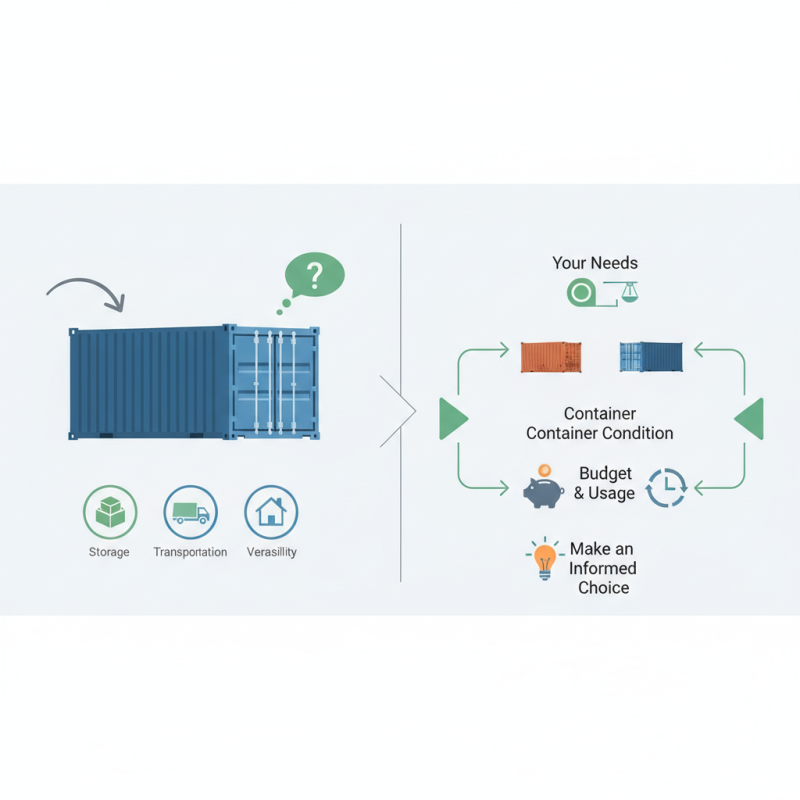
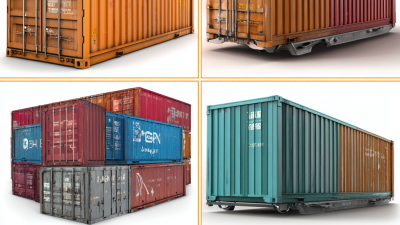
Choosing the right 10ft container can significantly impact your storage or transportation needs. According to industry expert John Mitchell, "Selecting the correct container is crucial for efficiency." A 10ft container offers versatility. It can serve various purposes, from shipping goods to providing extra storage space.
When considering a 10ft container, think about your unique requirements. Size matters, of course. But so does the condition of the container. Some may be well-used, while others look new. Each option comes with its pros and cons.
You might also reflect on your budget and how often you will use the container. Sometimes, a less expensive option may be tempting, but it could lack durability. Understanding your needs will help you make an informed choice. Remember, a 10ft container is an investment, so choose wisely.
Understanding the Different Types of 10ft Shipping Containers Available
When selecting a 10ft shipping container, understanding the various types is critical.
Standard containers are the most common. They measure 10 feet in length and usually have a height of 8.5 feet. These containers can carry about 1.5 metric tons. However, some may not fit all needs.
For those needing extra height, high cube containers are available. They also measure 10 feet long but are 9.5 feet tall. They provide about 25% more volume. This extra space can be invaluable for taller cargo items. Data from the World Shipping Council indicates that the demand for high cube models has increased by over 30% in recent years.
Reefer containers are another option. These are insulated and equipped with a refrigeration unit. They maintain a specific temperature, making them ideal for perishables. The choice often comes down to your cargo type. If your items require climate control, reefer containers may be necessary. Keep in mind, not every provider may offer a complete range. Always verify what is available in your area before deciding. This oversight can lead to costly delays.
Key Specifications to Consider When Selecting a 10ft Container
When selecting a 10ft container, consider the purpose. Different uses require different features. Look at the weight capacity. If you need to transport heavy items, a sturdy container is essential. Also, inspect the container's condition. Rust or damage can indicate future problems.
Tips: Always request a detailed inspection. Ask for photos if purchasing online. A good container should have minimal wear. Check the locking mechanism as well. It should function smoothly, ensuring security.
Next, consider accessibility. Will you use the container frequently? If yes, choose a model with double doors for easy access. Ventilation is another critical factor. Proper airflow prevents mold and damage to goods.
Tips: Use fans or dehumidifiers inside the container, if necessary. If the container is to be placed long-term, ensure it's on a flat surface. This avoids structural issues over time. Analyze your space and needs. Not every solution is perfect; adapt as required.
Assessing Your Storage and Transport Needs for a 10ft Container
When selecting a 10ft container, understanding your storage and transport needs is crucial. Think about what you plan to store. Are the items sensitive to temperature or moisture? Consider ventilation options if needed. For instance, some goods might require air circulation to prevent mold.
Next, assess how often you'll need to access your container. Frequent access may lead to different choices compared to long-term storage. A container located far from your premises might complicate transportation. You could even struggle with organizing the space efficiently. Sometimes, different layouts may inspire you to utilize the container better.
Evaluate whether you need customization features. This may include shelving or additional security. Think carefully about these aspects. You might realize the standard options may not meet all your requirements. Being clear on your needs will save you time and money down the road. Consider your priorities before making that decision.
How to Choose the Right 10ft Container for Your Needs?
| Dimension |
Capacity (Cubic Feet) |
Weight Limit (lbs) |
Common Uses |
Material |
| 10ft x 8ft x 8.5ft |
590 |
2,500 |
Storage, Shipping Furniture |
Steel |
| 10ft x 8ft x 9.5ft (High Cube) |
680 |
2,500 |
Storage, Equipment Transport |
Steel |
| 10ft x 8ft x 8.5ft (Reefer) |
590 |
2,600 |
Transporting Perishable Goods |
Steel with Insulation |
| 10ft x 8ft x 8.5ft (Ventilated) |
590 |
2,500 |
Transporting Agricultural Products |
Steel |
| 10ft x 8ft x 8.5ft (Open Top) |
590 |
2,500 |
Transporting Heavy Machinery |
Steel |
Industry Standards and Regulations for Shipping Containers Explained
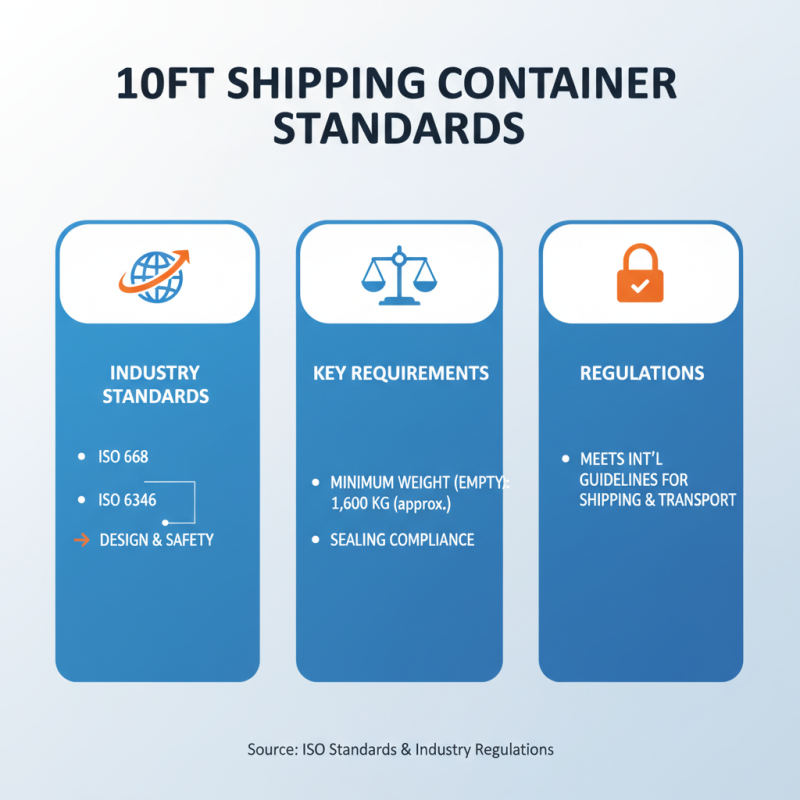
When selecting a 10ft container, it's crucial to understand industry standards and regulations. Shipping containers must meet the ISO 668 and ISO 6346 standards. These guidelines outline design specifications and safety features. Containers should have a minimum tare weight and comply with sealing requirements. For instance, a typical 10ft container weighs around 1,600 kg when empty.
Moreover, the CSC (Container Safety Convention) provides regulations ensuring containers are structurally sound and safe for transport. According to recent reports, almost 40% of containers fail inspection due to improper maintenance. Features like rusting or structural damage can lead to significant risks. Inspecting for these conditions is vital for compliance.
Different regions might have specific regulations as well. Some countries require additional certifications for importation. This adds complexity. Understanding local regulations can be challenging, yet it is necessary. Missteps may lead to fines or delays. Be aware of these factors when choosing your container.
Cost Analysis: Budgeting for a 10ft Container Purchase or Rental
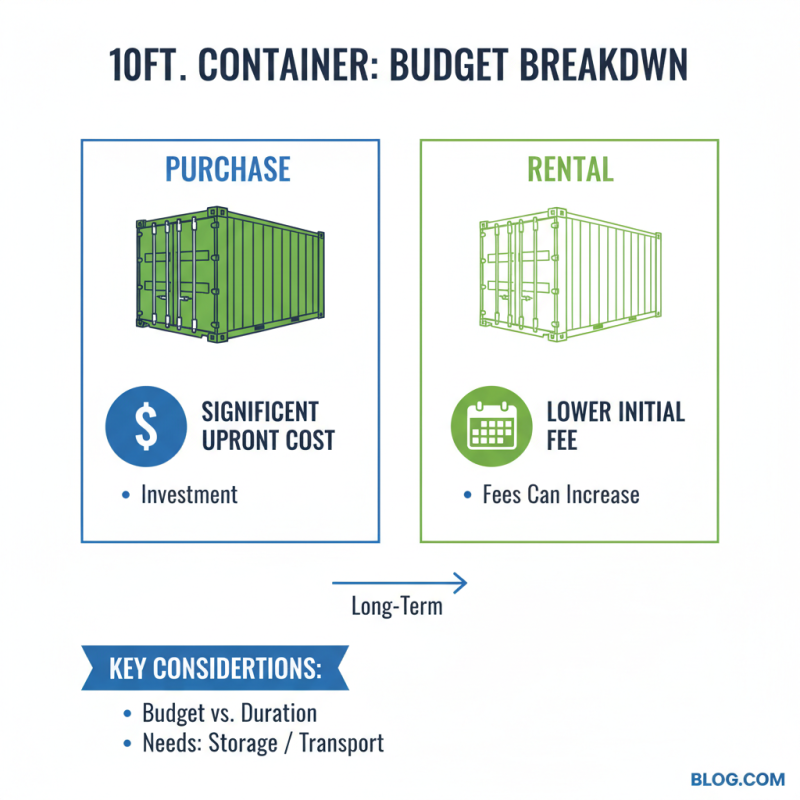
When budgeting for a 10ft container, consider the various costs involved. Purchasing a container might seem like an investment. However, it requires a significant upfront payment. Rental options are available too, often more affordable in the short term. But remember, rental fees can add up over time.
Additional expenses can sneak in. Transportation costs for delivery are often overlooked. Make sure to account for any modifications or insurance needs. Some containers might need repairs or upgrades, which can increase your budget unexpectedly. If you're not careful, these costs could derail your financial plans.
Evaluate your specific needs carefully. Consider how long you will use the container. Will it serve for storage or transport? This can affect your choice. Sometimes, people underestimate the importance of space requirements. Reflect on these factors to avoid costly mistakes later. A mismatch can lead to wasted money and resources.