Why Choose Sea Containers for Your Shipping Needs?
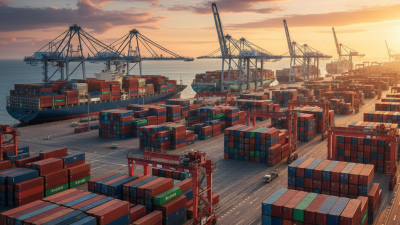
The world of logistics has evolved dramatically, and sea containers have become a vital part of global shipping. According to a recent report by the International Maritime Organization, approximately 90% of global trade is carried by sea. This highlights the crucial role sea containers play in connecting markets and businesses worldwide. With over 18 million containers in circulation, these units simplify the transportation of goods across vast distances.
Expert in maritime logistics, Dr. Emily Carter, states, "Sea containers are the backbone of international trade." Her insights emphasize that the efficiency and reliability of sea containers are unmatched. They offer standardized sizes, which streamline loading and unloading processes at ports. This standardization helps reduce operational costs and improve turnaround times for shipments.
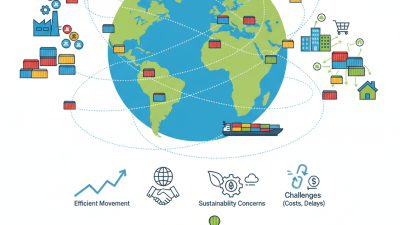
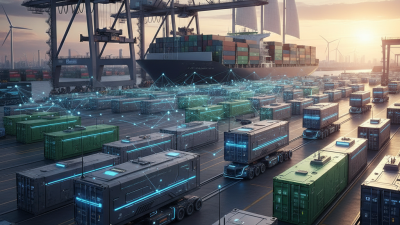
While sea containers are essential, the industry faces challenges like congestion at ports and environmental concerns. Addressing these issues requires innovative solutions such as automation and sustainable shipping practices. The importance of choosing the right sea container for shipping needs cannot be overstated. The logistics landscape is constantly changing, making it critical to stay informed and adaptable.
Benefits of Using Sea Containers for Shipping Goods
Shipping goods can be a daunting task. Sea containers emerge as a reliable choice due to their durability and efficiency. They protect cargo from harsh weather while reducing the chances of damage. With a well-constructed structure, these containers can withstand heavy loads, ensuring everything arrives safely.
Cost-effectiveness is another key benefit. Utilizing sea containers often leads to lower shipping fees. This is especially true for bulk items. Companies can save money, which can be redirected to other business needs. Efficient packing methods make the most of space, enhancing overall shipment value.
While sea containers are not without challenges, such as limited availability during peak seasons, their advantages often outweigh these concerns. Planning becomes crucial to avoid delays. Moreover, understanding container sizes and types is essential for optimal usage. It's an area that many businesses can improve upon as they grow.
Benefits of Using Sea Containers for Shipping Goods
Types of Sea Containers Available for Diverse Shipping Needs
When it comes to shipping, sea containers offer a variety of options tailored to different needs.
Standard containers, often referred to as dry containers, are suitable for general cargo.
They come in lengths of 20 and 40 feet. These containers maintain durability and security during transport.
They are ideal for products that do not require temperature control.
For items sensitive to temperature, refrigerated containers are essential. They keep products like food and pharmaceuticals at specific temperatures.
These containers are equipped with advanced cooling systems that ensure that goods arrive fresh and intact.
Not all products fit into standard containers, so considering alternatives is crucial.
Another option is open-top containers, which are designed for oversized cargo.
They have a removable roof to accommodate tall items easily. Perhaps you need bulk products shipped?
In this case, flat-rack containers might be more suitable. They provide a flat surface and can hold large loads securely.
Understanding the various container types can help you make informed shipping decisions.
Each choice presents its own benefits and challenges. Careful selection based on your cargo's needs is vital.
Cost-Effectiveness of Sea Container Shipping Explained
When considering shipping options, sea containers stand out for their cost-effectiveness. Transporting goods by sea is often cheaper than air freight. This is particularly true for large shipments. The price per unit decreases significantly as volume increases.
Additionally, sea shipping is reliable over long distances. You can transport a greater quantity of goods in one trip. This reduces the number of shipments you need to arrange. Fewer shipments can lead to lower overall costs. However, it takes longer than other methods. Businesses must weigh time against savings.
Not all products are suited for sea transport. Perishable goods, for instance, may not perform well on long voyages. Delays can lead to spoilage. Consideration of product type is crucial for successful shipping. Transparency regarding shipping times and costs is essential. This ensures businesses set proper expectations for their clients. Cost-effectiveness is beneficial, but not all factors are purely financial.
Environmental Impact of Sea Container Transportation
Sea containers have become increasingly popular due to their environmental benefits. Transportation via sea is generally less harmful than other methods. For every ton of cargo moved, shipping by sea emits significantly fewer greenhouse gases compared to trucks or air freight. This efficiency can reduce the overall carbon footprint of global trade.
However, it's essential to recognize the challenges these containers pose. While transportation is efficient, their production and disposal can lead to environmental concerns. The materials used in construction often require substantial energy. Improper disposal can contribute to waste issues. Companies need to adopt better practices to address these shortcomings.
Moreover, the growth of the shipping industry has ecological implications. Increased traffic can harm marine ecosystems. Stricter regulations and sustainable practices are necessary to mitigate these impacts. Emphasizing green technology in shipping can enhance the positive aspects while addressing the negative. Overall, sea containers represent a complex solution that requires continuous improvement and reevaluation.
Safety and Security Features of Sea Containers in Shipping
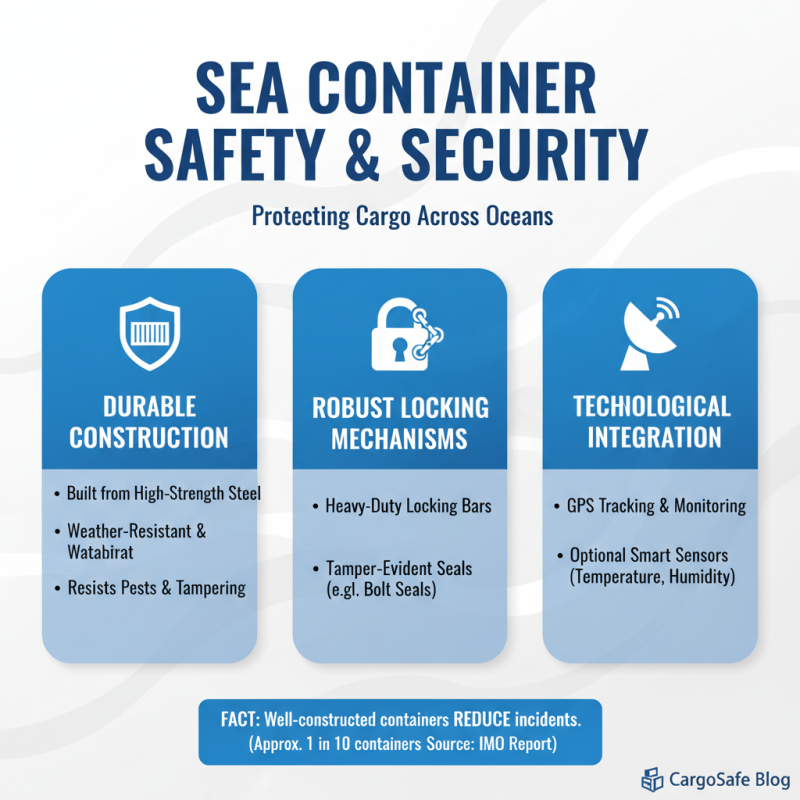
Sea containers have become a crucial component in the shipping industry. Their safety and security features are particularly noteworthy. These containers are designed to withstand harsh weather conditions. They are built from durable steel, protecting contents from water and pests. According to a report by the International Maritime Organization, approximately 1 in 10 containers are damaged at sea. However, well-constructed sea containers can significantly reduce these incidents.
Moreover, sea containers offer enhanced security against theft. Many containers come with advanced locking mechanisms to deter unauthorized access. The Transport Security Administration notes that cargo theft costs the industry billions annually. Implementing strict security measures is essential. Proper seals and tracking devices provide an additional layer of protection. These tools help shippers monitor their cargo in real-time.
While sea containers provide impressive security features, challenges remain. Not all containers are adequately inspected before shipping. This can lead to even secure loads being at risk. Additionally, the proliferation of counterfeit containers adds complexity. As the industry evolves, investing in robust procedures is vital to maintain cargo safety and integrity.