Essential Tips on Choosing the Right Storage Container Sizes for Your Needs?
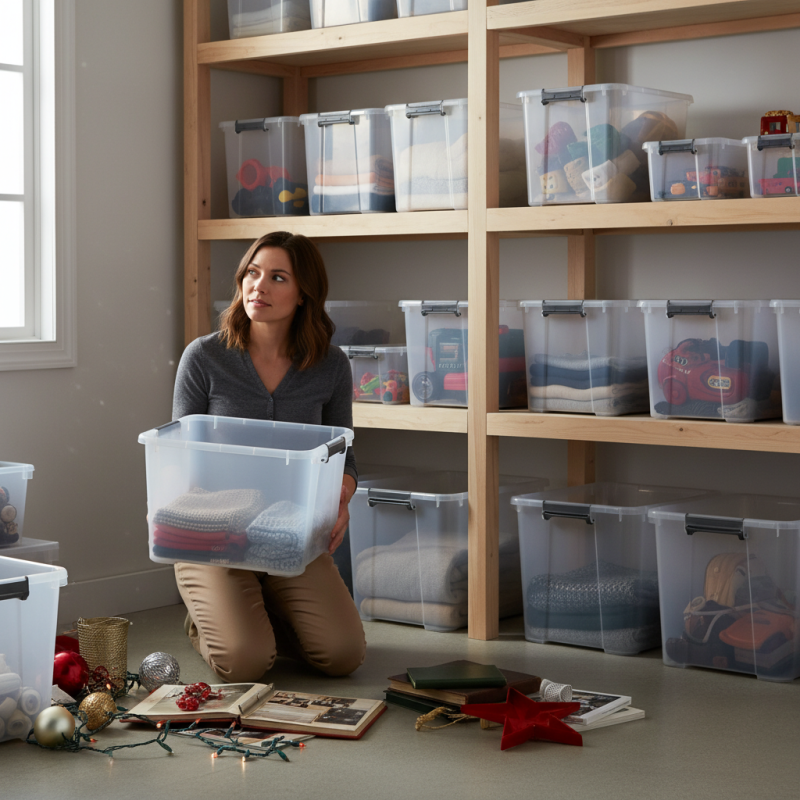
Choosing the right storage container sizes is crucial for effective organization. Whether you’re downsizing, moving, or simply decluttering, the right container can make a significant difference. Imagine struggling to fit your belongings into a small box. That can lead to frustration and waste.
Consider your unique needs. Are you storing seasonal decorations or everyday items? Understanding the purpose of your storage helps determine the sizes you'll require. It's easy to underestimate how much space you need. Often, people find themselves buying multiple containers instead of one appropriately sized unit.
Take inventory of your items before making a decision. Keep in mind that storage container sizes vary widely. Some may be too large or too small for your belongings. Reflect on what works best for your situation. Your choices will affect your organization for months or even years ahead.
Understanding Your Storage Needs: Assessing Volume and Type of Items
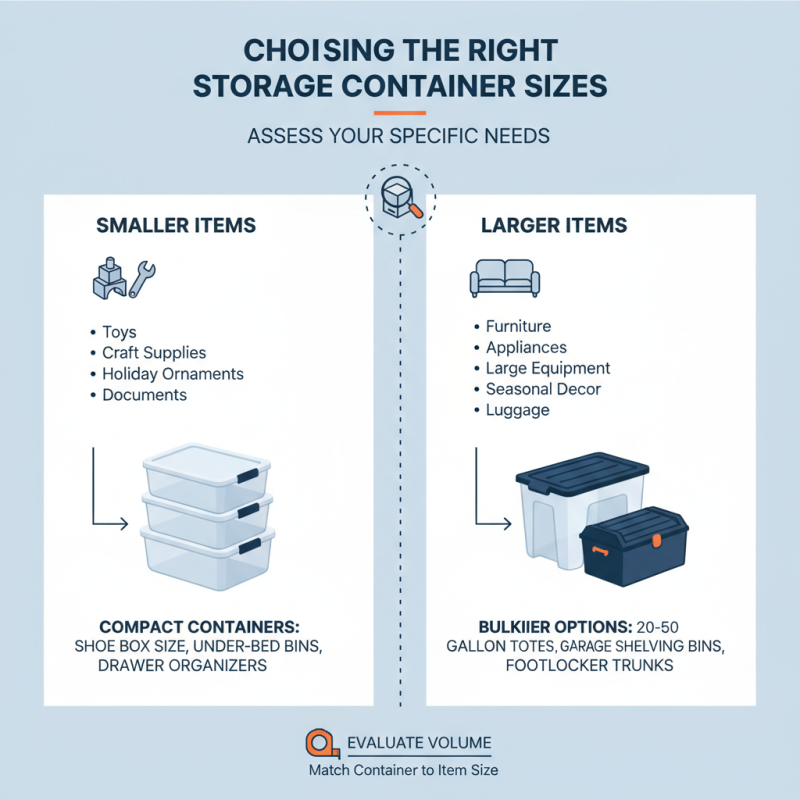
When choosing the right storage container sizes, it's crucial to assess your specific needs. Start by evaluating the volume of items you plan to store. Do you have small items like toys or tools? Perhaps larger items like furniture or appliances? Each type requires a different approach. For smaller items, compact containers are ideal. For bigger items, consider bulkier options.
Additionally, think about the nature of your items. Are they fragile, perishable, or durable? You wouldn't want to store delicate glassware in a container meant for heavy-duty storage. This mismatch could lead to damage over time. Reflect on the shape and dimensions of your belongings. A wide item might need a different container than a tall one.
Overlooking your storage needs can lead to wasted space or unnecessary clutter. Sometimes, we underestimate how much we actually have. Make an inventory of your items to avoid surprises. The right storage solution should not only fit your items well but also make retrieval easy. Aim for a balance between size and accessibility.
Evaluating Space Availability: Where Will You Store Your Containers?
When it comes to choosing storage containers, evaluating space availability is crucial. You need to know where you will store these containers. Are you using a garage, basement, or a dedicated storage unit? Each space has its unique characteristics. Some areas may have limited height, while others may come with narrow entrances.
Measure your space carefully before purchasing containers. Knowing dimensions helps avoid awkward situations. Will the containers fit through your doorway? Can they be stacked safely? Visualize how they will fit into your space. Consider the width, height, and depth of each area. This assessment can save you from wrong-size containers.
Many people overlook the importance of organizing the stored items. Will you be able to access everything easily? Think about labeling, too. A cluttered space can lead to frustration. Remember that your chosen containers should align with how often you need to reach for specific items. Reflect on these details and adjust your choices accordingly.
Essential Tips on Choosing the Right Storage Container Sizes for Your Needs
Choosing the Right Material: Options for Durability and Functionality
When selecting storage containers, the material is crucial. Different materials offer various levels of durability and functionality. Plastic containers are lightweight and resistant to moisture, making them great for indoor use. However, they may crack under extreme temperatures. Metal containers provide durability but can be heavy and prone to rusting if not properly treated.
Glass containers are perfect for food storage. They are non-porous and do not retain odors. However, they can break easily. Cardboard is an option for temporary storage but lacks durability. It’s essential to consider the long-term use of the containers. One might choose a durable option and later realize it does not fit the intended purpose.
Each material has its advantages and drawbacks. Balancing these factors requires reflection. Selecting a container that fits your needs can be challenging. A wrong choice might lead to leaks or damage. Assessing the storage location and the contents will guide you. Consider longevity versus convenience as you make your decision.
Essential Tips on Choosing the Right Storage Container Sizes for Your Needs
| Container Type |
Size (L) |
Material |
Durability Rating |
Best Use |
| Plastic Bin |
50 |
Polypropylene |
Moderate |
General Storage |
| Metal Container |
100 |
Steel |
High |
Heavy Equipment |
| Cardboard Box |
30 |
Recycled Cardboard |
Low |
Lightweight Items |
| Wooden Crate |
75 |
Plywood |
Moderate |
Shipping Goods |
| Fabric Storage Bag |
20 |
Nylon |
Low |
Seasonal Items |
Size Matters: How to Select Appropriate Dimensions for Different Uses
When selecting storage containers, size matters significantly. Different needs require different dimensions. For example, small bins are ideal for accessories or craft supplies. You might find them handy for organizing your workspace, but they can easily overflow. Consider the volume of items you store.
Medium containers work well for seasonal clothing or toys. They offer more space but can become heavy when full. Think about lifting them too. Large containers are best for bulk items, like camping gear or holiday decorations. However, they can be cumbersome and challenging to fit into tight spaces.
Reflect on your storage environment. Will these containers be stacked or kept in a closet? Choosing the wrong size can lead to frustration. For occasional users, a smaller size might suffice. Yet, if you store things frequently, larger containers could save time. Balancing convenience and storage is essential.
Budget Considerations: Balancing Cost with Quality and Capacity
When choosing storage containers, budget should be a key factor. You need to balance cost with quality and capacity. Low-cost options might seem attractive, but they can compromise durability. Consider if you are storing fragile items or heavy goods. If quality suffers, you may face additional expenses later.
Tip: Calculate the value of the items you are storing. If they're expensive or sentimental, investing in better containers makes sense. It’s okay to splurge a bit for peace of mind. Plastic bins might save you money upfront, but they can warp over time. Cardboard boxes might be cheaper but can deteriorate in damp conditions.
Think about the size of your storage needs. Oversized containers can lead to unnecessary expenses. However, too small containers can force you to buy more than needed. You might feel the urge to cut corners, but this could lead to a mess and wasted money. It’s essential to take measurements before making a decision. Write down your plans to visualize your storage requirements. This method can help you choose wisely.