How to Choose the Right Cargo Shipping Container for Your Needs?
When it comes to cargo shipping, selecting the right cargo shipping container is crucial. Experts in the industry often stress this point. James Anderson, a leading logistics consultant, once said, "Choosing the right cargo shipping container can significantly impact your shipping efficiency and costs." The options are vast, but the decision can be overwhelming.
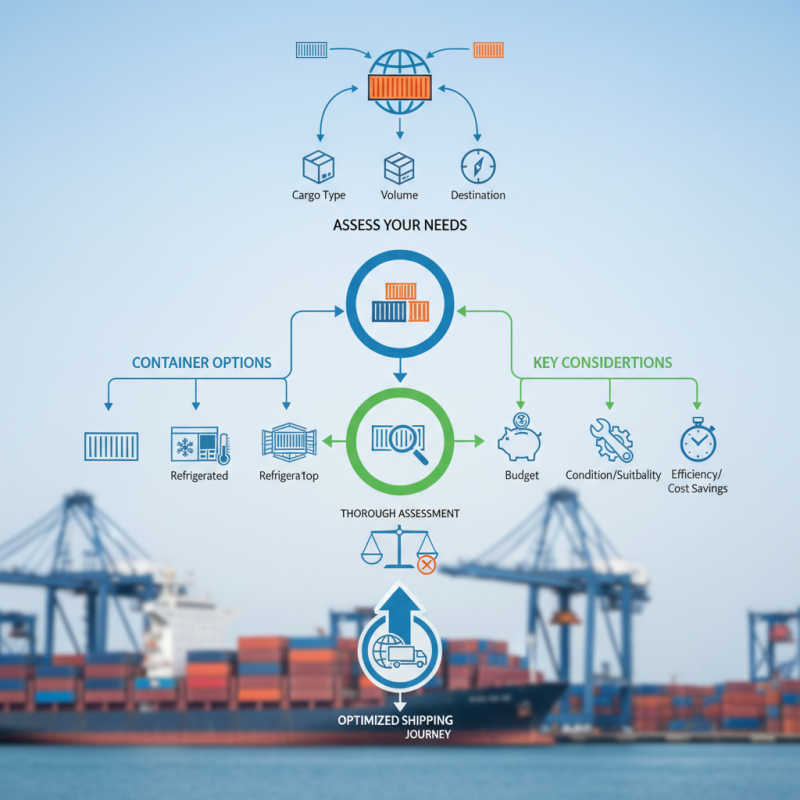
Different cargo shipping containers serve various purposes. From standard containers to refrigerated ones, each has unique features. Consider your specific needs carefully. A mismatch can lead to delays and increased expenses. Furthermore, it's important to reflect on the cargo type, volume, and destination. Each factor plays a vital role, and overlooking even one can hinder your shipping process.
In exploring your options, remember that practicality and budget are necessary considerations. Evaluate the container's condition and suitability for your cargo. Sometimes, certain details may not be fully addressed during the selection. Taking shortcuts can backfire, leading to losses. A thorough assessment ensures you choose effectively, ultimately streamlining your shipping journey.
Understanding Different Types of Cargo Shipping Containers
When it comes to cargo shipping containers, understanding the different types is crucial. Various containers serve specific purposes. For example, standard containers are versatile. They are typically 20 or 40 feet long. These are ideal for general cargo. However, items that require temperature control need special containers.
Reefer containers, equipped with refrigeration units, are essential for perishable goods. They maintain optimal temperatures, ensuring food safety. If you often ship liquids, consider tank containers. They are designed to transport bulk liquids efficiently. Remember, each container type has unique specifications, so thorough assessment is necessary.
**Tip:** Always measure your cargo before choosing a container. This can prevent complications later. Another important consideration is the weight capacity. Overloading a container can lead to damage. Take your time to reflect on the best container for your needs.
Evaluating Container Size and Capacity for Your Shipment
Choosing the right cargo shipping container largely depends on understanding size and capacity. A standard container is often 20 or 40 feet long. However, not all shipments fit neatly into these dimensions. Measuring your cargo is essential before making a choice. For example, if carrying large machinery, ensure to account for height and width. This helps avoid surprises at the loading dock.
Many people underestimate the importance of weight limits. A 20-foot container can hold about 22,000 pounds, while a 40-foot one can manage around 26,000 pounds. Overloading can lead to serious issues during transport. Consider the type of cargo, too. Fragile items may require specialized containers, while others might need ventilation. Reinforcing packaging can also help, adding another layer of protection.
You might think you’ve chosen well, yet problematic details can arise. For example, a container that seems spacious might not accommodate pallets efficiently. Evaluate all aspects before finalizing your decision. Experience shows that many overlook these key factors and face difficulties later. Careful planning is more effective than hasty choices.
Container Size and Capacity Evaluation for Cargo Shipping
Assessing Container Condition: New vs. Used Options
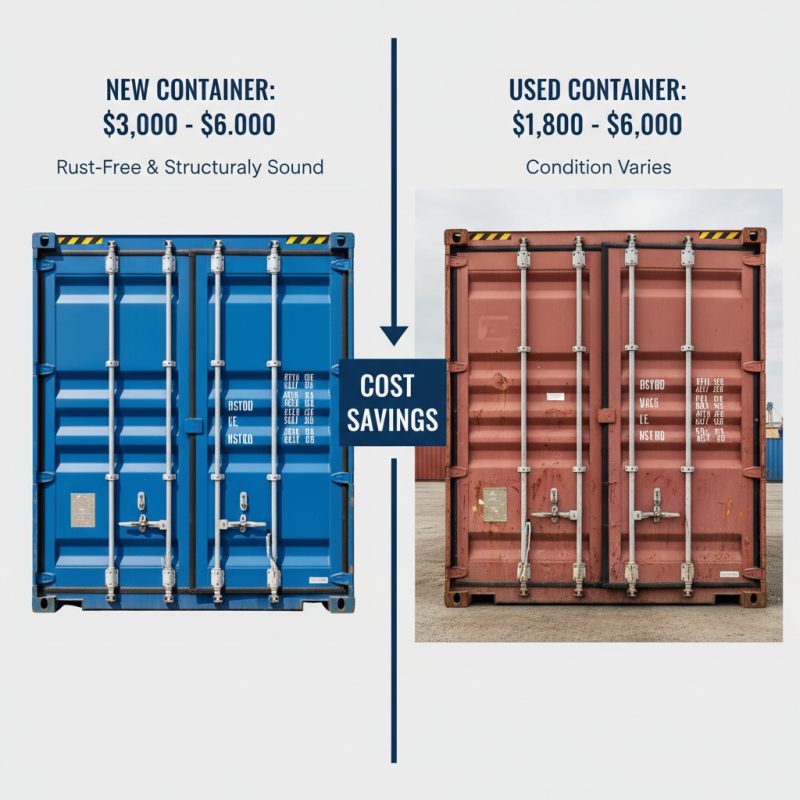
When considering the right cargo shipping container, assessing the condition is crucial. New containers often come with a higher price tag. They are usually rust-free and structurally sound. According to industry data, new containers can cost between $3,000 and $6,000. However, purchasing used containers can save you significant money. A used container typically ranges from $1,800 to $3,000, depending on its condition.
Inspecting a used container is essential. Look for signs of rust, structural damage, or leaks. A well-maintained used container can serve your needs effectively. One report indicates that 30% of used containers are still functional after several years of usage. This longevity can make them a valuable option. However, be prepared for potential repairs or maintenance down the road.
Tip: Always check the container’s history. It helps in understanding its usage. A container that has been well taken care of can outperform a poorly maintained new one.
Another important aspect is delivery and logistics. Ensure the container can be delivered to your location without excessive fees. Research shipping rates, as they can vary dramatically. Choosing the right container requires a balance between cost and condition. Let's not overlook that some decisions may lead to unexpected challenges later.
Considering Special Features: Insulation, Ventilation, and Security
When choosing a cargo shipping container, insulation, ventilation, and security are crucial features to consider. Insulation plays a key role in maintaining temperature-controlled environments. According to industry data, insulated containers can reduce temperature fluctuations by up to 30%. This is vital for goods like pharmaceuticals or food products that require stability. If you’re transporting sensitive items, selecting an insulated container may prevent spoilage and financial loss.
Ventilation is another important aspect. Proper air circulation helps prevent humidity and condensation, which can damage cargo. Reports suggest that containers with built-in ventilation systems reduce humidity levels by about 40%. This is especially important for organic materials, which can mold and rot if not properly ventilated.
Security should never be overlooked. With cargo theft on the rise—reportedly affecting 1 in 10 shipments—having secure containers can alleviate concerns. Look for units equipped with locking mechanisms or tracking technology. However, even the most secure container is not foolproof. Choosing the right security features requires careful consideration of your specific needs and risks. Ultimately, reflecting on these aspects can guide you in making better decisions when selecting your cargo container.
How to Choose the Right Cargo Shipping Container for Your Needs? - Considering Special Features: Insulation, Ventilation, and Security
| Container Type |
Insulation |
Ventilation |
Security Features |
Best For |
| Standard Container |
None |
Limited |
Basic Locking Mechanism |
General Cargo |
| Reefers |
Thermal Insulation |
Yes |
Enhanced Locking |
Perishable Goods |
| Ventilated Container |
Minimal |
Yes |
Basic Locking |
Humidity-Sensitive Goods |
| Insulated Container |
High |
Limited |
Reinforced Locking Mechanism |
Temperature-Sensitive Goods |
| Security Container |
None |
None |
High-Security Locking and Alarms |
Valuable Cargo |
Estimating Costs and Budgeting for Your Shipping Container Choice
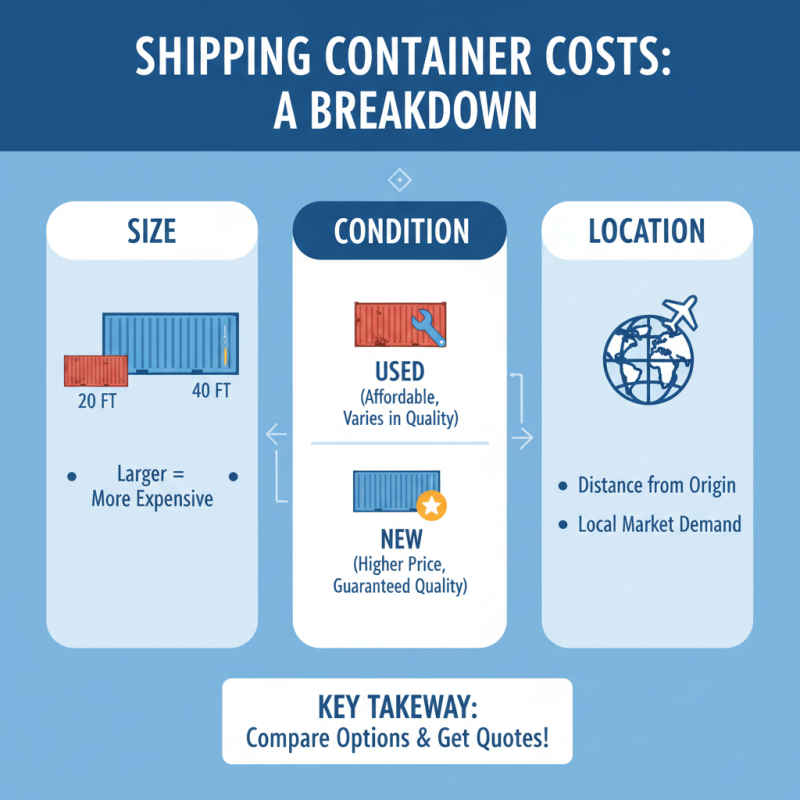
Estimating costs for shipping containers can be tricky. Prices can vary widely based on size, condition, and location. Used containers are often more affordable, yet their condition may not meet your standards. New containers can be pricier. However, they come with the assurance of quality.
When budgeting, consider additional charges. Delivery fees can add to your costs. There may be extra expenses for modifications or retrofitting containers. You might want insulation or ventilation for specific cargo types. Research local regulations too. These can affect your overall expenses.
Don’t forget maintenance costs. Containers need some care over time. Rust and wear can happen, especially in harsh environments. It’s crucial to factor in long-term expenses. Reflect on how these costs fit your budget. Balancing quality and affordability is key.