How to Choose the Right Articulated Boom Lift for Your Needs?
Choosing the right articulated boom lift can seem daunting. With various types available, it's crucial to understand your specific needs. Each lift offers unique features that cater to different tasks and environments.
Consider the height and reach required for your project. The right lift can mean the difference between success and frustration. Look for lifts that provide stability and maneuverability. Sometimes, a more expensive option may truly offer better safety and reliability.
Research is important. Read reviews and consult experts who know the industry. Perhaps a lift you're considering isn’t as efficient as advertised. Pay attention to the manufacturer’s reputation and warranty options. Trustworthy brands often promise better service. The right Articulated Boom Lift can enhance your productivity, but make sure you choose wisely.
Types of Articulated Boom Lifts and Their Applications
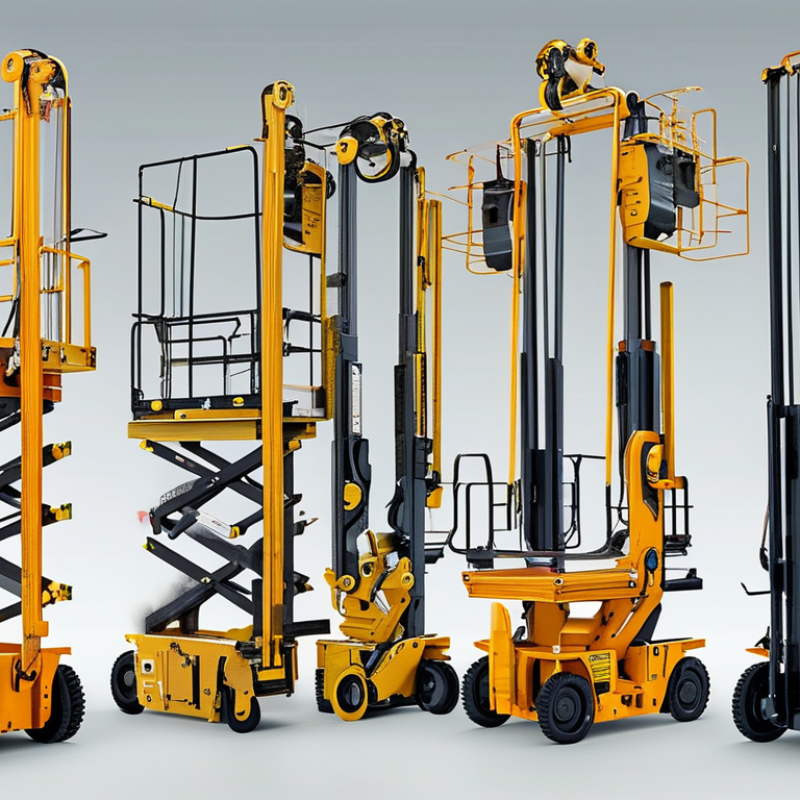
When selecting the right articulated boom lift, understanding the various types and their applications is crucial. Articulated boom lifts are versatile machines designed for working at heights. They have multiple joints, allowing for greater maneuverability around obstacles. According to industry reports, these lifts can increase productivity by over 30%.
There are two main types: electric and diesel articulated boom lifts. Electric models are ideal for indoor applications. They are quieter and produce no emissions. A report by the Lift and Access shows electric lifts account for 42% of the market in urban settings. On the other hand, diesel articulated boom lifts are suitable for outdoor tasks. They offer more power and can navigate rough terrain. Generally, they are used in construction and heavy-duty applications where mobility and strength are key.
Selecting the correct lift also depends on operational height and load capacity. For instance, a lift with a working height of 40 feet may be sufficient for most warehouse tasks. However, high-rise construction projects may require lifts that extend beyond 70 feet. This difference is vital. It can make or break efficiency on a job site. You must consider the specific needs of the project and reflect on the potential limitations before making your decision.
How to Choose the Right Articulated Boom Lift for Your Needs?
| Type of Articulated Boom Lift | Working Height (feet) | Platform Capacity (lbs) | Horizontal Outreach (feet) | Ideal Applications |
| Electric Articulated Boom Lift | 30 - 60 | 500 - 800 | 20 - 40 | Indoor work, construction, maintenance |
| Diesel Articulated Boom Lift | 40 - 80 | 700 - 1200 | 30 - 60 | Outdoor work, rough terrain, large construction sites |
| Narrow Articulated Boom Lift | 25 - 50 | 500 - 600 | 15 - 25 | Tight spaces, warehouses, maintenance |
| Articulated Boom Lift with 4WD | 50 - 70 | 800 - 1500 | 40 - 50 | Construction sites, rough terrain, outdoor maintenance |
Key Specifications to Consider When Selecting a Boom Lift
When selecting an articulated boom lift, key specifications play a crucial role in ensuring it meets your needs. Load capacity is a vital parameter. Many models offer capacities ranging from 500 to over 1,000 pounds. Understanding the weight of materials and personnel is essential. If the lift can’t handle the load, it can lead to accidents.
Working height is another critical measurement. Most articulated boom lifts reach heights between 30 to 60 feet. Industry reports show that choosing the right height can reduce job site hazards. A lift that’s too short may require additional equipment, leading to increased costs and complexity.
Additionally, maneuverability should not be overlooked. Models often have varying degrees of turning radii and outreach. This affects how easily the lift can navigate tight spaces. On construction sites, being agile can save time and increase safety. Knowing these specifications lets operators work more efficiently while minimizing risks. Always consider your specific needs against these metrics to ensure safer operations.
Assessing Work Environment and Space Constraints
When selecting an articulated boom lift, understanding your work environment is crucial. Different settings, such as construction sites or indoor warehouses, present unique challenges. High ceilings require lifts with considerable reach. In contrast, narrow aisles may need compact models that can maneuver easily. Assess how the lift will navigate your space, considering both vertical and horizontal mobility.
Space constraints can severely limit your equipment options. For instance, tight corners or doorways could make larger models impractical. It's important to measure the dimensions of your workspace accurately. Visibility and terrain also play a role. A rugged outdoor site may require lifts designed for rough ground. Paved surfaces might allow for more versatile options. Reflect on these factors to avoid operational setbacks.
Choosing the right lift is not just about specifications. Consider the operator's experience and comfort level with the equipment too. Inexperienced operators can encounter difficulties, especially in complex environments. Understand the training needs and safety protocols to mitigate risks. The decision can significantly impact productivity and safety on the job. Evaluate your choices with these considerations in mind.
Evaluating Load Capacity and Height Requirements
When selecting an articulated boom lift, load capacity and height requirements are crucial. The lift must meet the specific weight of your materials. Overloading can lead to accidents or equipment failure. Always check the manufacturer's load charts for accurate numbers. For example, a lift with a capacity of 500 pounds might only be suitable for lighter tasks.
Height requirements also play a vital role. Assess the job site to determine how high you need to reach. Consider any obstacles, like overhead wires or low ceilings. It's not just about getting high; it's about reaching safely. Sometimes, a lower lift with better maneuverability is more effective.
Capacity and height requirements are intertwined. A tall lift may not work if it cannot safely handle your load. Test the lift under similar conditions to your project. Real-world scenarios can reveal unforeseen issues. Prioritize safety and efficiency in your decision-making process.
Understanding Safety Features and Compliance Standards
When selecting an articulated boom lift, understanding safety features is paramount. According to the Occupational Safety and Health Administration (OSHA), inadequate training and machine misuse are leading causes of accidents. Compliance with safety regulations is non-negotiable. Lift operators must undergo proper training and certification, ensuring they are well-versed in the equipment's safety features.
Tip: Always verify the lift's compliance with ANSI and ISO standards. These standards ensure that lifts meet baseline safety requirements. Look for features such as overload protection, emergency stop buttons, and harness points. Each of these elements plays a critical role in protecting operators and reducing potential risks.
Furthermore, familiarize yourself with recent industry data. The Global Industry Analysts report indicates a steady increase in safety-related incidents within the aerial lift sector. This underlines the importance of not just providing equipment but ensuring adequate safety measures are in place. Inspect the equipment regularly and document any safety checks.
Tip: Consider conducting safety audits periodically. Such audits can identify areas for improvement. They reveal weaknesses in compliance that need addressing. Investing in safety features now can save time and money in the long run. Understanding these aspects can significantly enhance your operational safety and efficiency.