How to Choose the Right 40 Foot Storage Containers for Your Needs?
Choosing the right 40 foot storage containers can significantly impact your storage needs. These containers offer ample space for various items, but not every one is the same. It’s crucial to consider your specific requirements when making a selection.
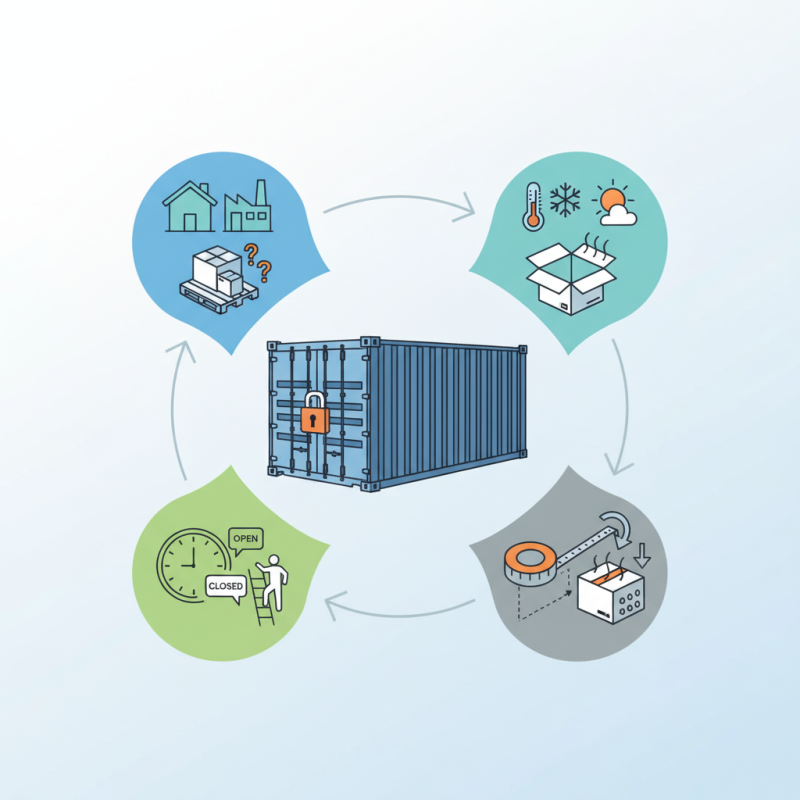
Many factors come into play when selecting a 40 foot storage container. Will it be used for personal belongings or business inventory? Assessing the type of material stored is essential. This consideration helps determine whether you need climate control or standard containers. Furthermore, think about accessibility. How often will you need to open the container?
Reflecting on your needs is important. Mistakes can be costly. Some users overlook the importance of ventilation. Others forget to measure space for placement. Exploring these details can lead to better choices. Take your time to decide what works best for you.
Factors to Consider When Choosing 40 Foot Storage Containers
When choosing a 40-foot storage container, consider several important factors. Assess the container's condition. A well-maintained unit will protect your belongings better. Look for signs of rust or damage. A thorough inspection can prevent future issues. Also, ensure it is watertight to keep contents safe from moisture.
Next, think about accessibility. Where will the container be located? An easy-to-reach location is crucial for regular use. Check if there is enough space for delivery and maintenance. Additionally, consider your storage needs. Are you storing large items or just boxes? This will guide your decision-making.
Another aspect to reflect on is security. Check if the storage container comes with adequate locking features. This can provide peace of mind, especially if you store valuable items. Lastly, plan for ventilation. Poor airflow can lead to mold and mildew. Think ahead about how your choices will impact your storage experience.
Factors to Consider When Choosing 40 Foot Storage Containers
Understanding Different Types of 40 Foot Storage Containers Available
When it comes to 40-foot storage containers, options vary widely. The most common types are standard, high cube, and refrigerated containers. Standard containers generally meet basic storage needs. They work well for general purposes, such as moving household items or storing supplies. High cube containers provide extra height, which is useful for stacking taller items. Their increased internal space can prevent damage to your belongings.
Refrigerated containers, however, cater to specific needs. They maintain a controlled temperature, perfect for food storage. This type is essential for businesses dealing with perishables. Consider the insulation quality and power source for refrigerated units. Different temperatures require different settings and energy sources. Additionally, modifications are often available. Custom doors or shelving can enhance the usability of the container.
Choosing the right container doesn't stop at the type. Weather resistance should be a consideration too. Some containers can endure harsh conditions better than others. Inspect the overall condition before purchase or rental. Look for rust or leaks that could affect your items. It’s crucial to reflect on your long-term needs rather than just short-term solutions.
How to Choose the Right 40 Foot Storage Containers for Your Needs?
| Container Type |
Dimensions (L x W x H) |
Weight Capacity |
Ideal Use |
Climate Control Options |
| Standard Dry Container |
40' x 8' x 8.5' |
26,000 lbs |
General Storage |
No |
| High Cube Container |
40' x 8' x 9.5' |
26,000 lbs |
Tall Items Storage |
No |
| Reefer Container |
40' x 8' x 9.5' |
28,000 lbs |
Perishable Goods |
Yes |
| Open Top Container |
40' x 8' x 8.5' |
26,000 lbs |
Bulk Cargo |
No |
| Flat Rack Container |
40' x 8' x 8.5' |
48,000 lbs |
Heavy Machinery |
No |
Evaluating the Quality and Durability of Storage Containers
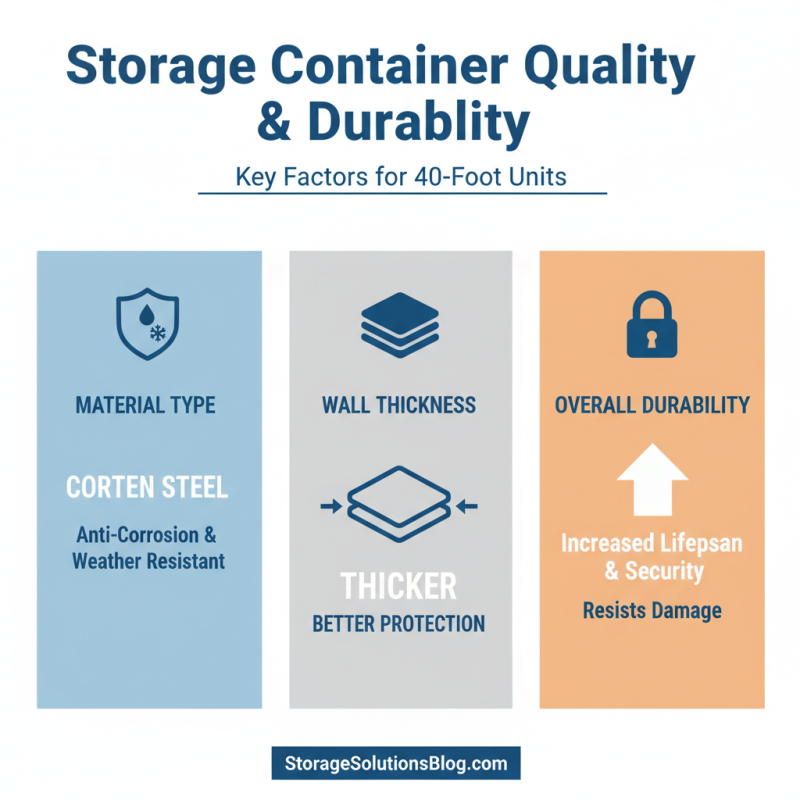
When selecting the right 40-foot storage containers, assessing their quality and durability is essential. Start by examining the container's material. High-quality steel resists corrosion and withstands harsh weather conditions. Look for containers made from corten steel, which is known for its strength and resistance to rust. The container’s thickness impacts its overall durability. Thicker walls generally provide better protection for your belongings.
Next, evaluate the construction details. Check for proper welding and seal integrity. Gaps and weak points can lead to moisture problems, which can damage stored items. It’s crucial to inspect the container for signs of wear or previous damage. A well-maintained container can last for years, while a poorly maintained one may require frequent repairs.
Consider the flooring as well. Plywood flooring is common, but it may deteriorate over time. Look for containers with steel flooring that can handle heavier loads and resist pests. Remember that aesthetics also play a role in durability, as a well-maintained exterior protects against elements. Understanding these factors can help you make a more informed decision, ensuring your belongings are safe and secure.
Assessing Space and Accessibility Requirements for Your Container
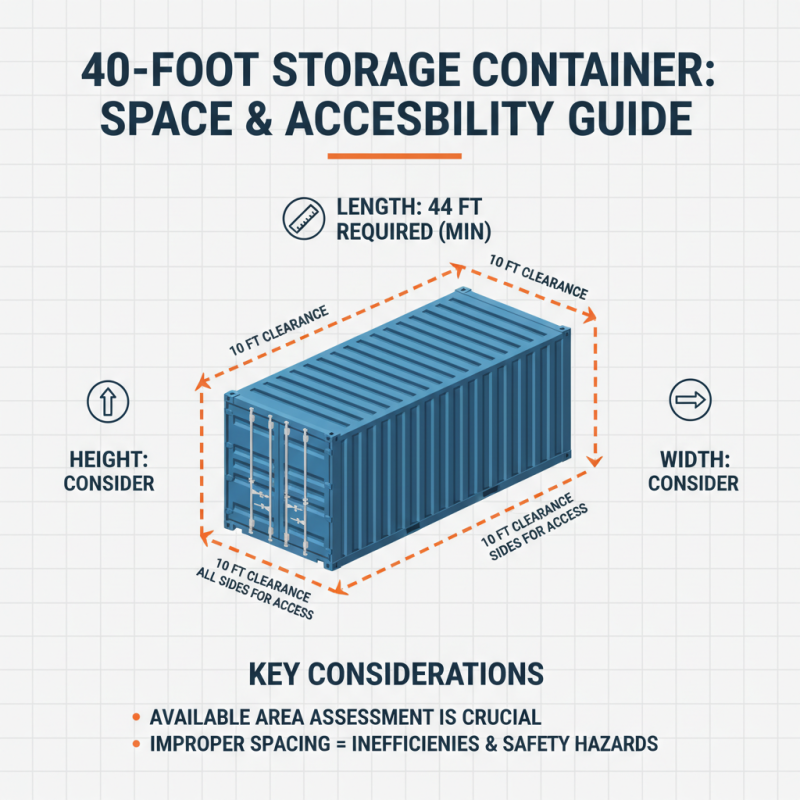
Choosing the right 40-foot storage container involves careful consideration of space and accessibility. Assessing your available area is crucial. Typically, a 40-foot container requires a space of at least 44 feet in length for placement. The width and height should also be considered. Maintain a clearance of 10 feet around the container for accessibility, particularly for loading and unloading. Reports indicate that improper spacing can lead to inefficiencies and safety hazards.
Accessibility should not be overlooked. Ensure the area is reachable by transport vehicles. A clear route free from obstructions is essential. According to industry data, over 20% of logistics issues arise from poor accessibility. Having a designated pathway enhances safety and efficiency. You may think about the ground surface as well. A stable, level base prevents settling, which can damage the container or hinder its functionality.
Tip: Always measure the space before ordering a container. Small miscalculations can lead to significant problems later.
Consider site conditions, too. For instance, uneven terrain can complicate access. A slope may hinder the loading process. This factor is often neglected.
Tip: Check local regulations for placement. Compliance with zoning laws is vital. Ignoring this can lead to fines or removal.
Comparing Pricing Options and Budget Considerations for Containers
When selecting a 40-foot storage container, pricing is a significant concern. Various options exist, each with unique features. Prices can vary greatly depending on condition and customization. For instance, new containers attract higher cost, while used ones offer more budget-friendly choices. However, the age and wear of a used container can affect its durability. Thus, it's crucial to balance cost with quality.
Consider additional expenses as well. Delivery fees can add to your overall budget. Some companies charge extra for transporting containers to your site. Storage containers may also require permits in certain areas, which can impact your final costs. Failure to account for these factors can lead to unexpected expenses.
Quality shouldn't be overlooked in pursuit of savings. A lower-priced container may come with hidden issues. Inspecting containers for rust, structural integrity, and accessibility is essential. Ensuring that the container meets your storage needs will prevent future inconveniences. Choices should align with both your requirements and financial constraints. Taking time to research and compare options leads to more informed decisions.