How to Choose the Right 20 ft Cargo Container for Your Shipping Needs
When it comes to shipping goods, the choice of container can significantly impact the efficiency and cost of your operations. Among the various sizes available, the "20 ft cargo container" stands out as a popular choice for businesses seeking a balance between capacity and versatility. Shipping expert Dr. Emily Carter states, "The 20 ft cargo container offers an optimal mix of space and maneuverability, making it ideal for both small and medium-sized shipments." This makes it particularly useful for industries ranging from retail to manufacturing, where flexibility is key to meeting customer demands.
Selecting the right 20 ft cargo container involves understanding your specific shipping needs, including the type of goods being transported, the shipping route, and budget considerations. Whether you are shipping bulky items or delicate products, this size provides ample room while remaining manageable in terms of handling and transport. As Dr. Carter emphasizes, "Making informed decisions about your shipping containers can streamline your logistics and save money in the long run." Thus, understanding the features, benefits, and ideal usage scenarios for a 20 ft cargo container is essential for optimizing your shipping strategy and enhancing operational efficiency.

Understanding Your Shipping Requirements for a 20 ft Cargo Container
When selecting the right 20 ft cargo container for your shipping needs, a thorough understanding of your shipping requirements is essential. According to industry reports, over 80% of global trade is carried out via container shipping, making it crucial to choose the right container size and type. A 20 ft cargo container can hold approximately 28,000 liters, accommodating various goods ranging from textiles to machinery. Before making a decision, assess the dimensions and weight of your cargo, as well as the environmental conditions it may be subjected to during transportation.
Furthermore, consider the specifics of your shipping route. Data from the International Maritime Organization (IMO) indicates that containers traveling over long distances may encounter diverse climates, affecting the integrity of certain goods. For instance, perishables such as fruits or pharmaceuticals require temperature-controlled shipping. It’s also important to evaluate the load capacity of the 20 ft container — it typically holds up to 22,000 lbs (10,000 kg) of cargo. Thoroughly understanding these parameters will help ensure that you select a container that not only meets your space requirements but also preserves the condition of your products throughout the shipping process.
Types of 20 ft Cargo Containers and Their Specifications
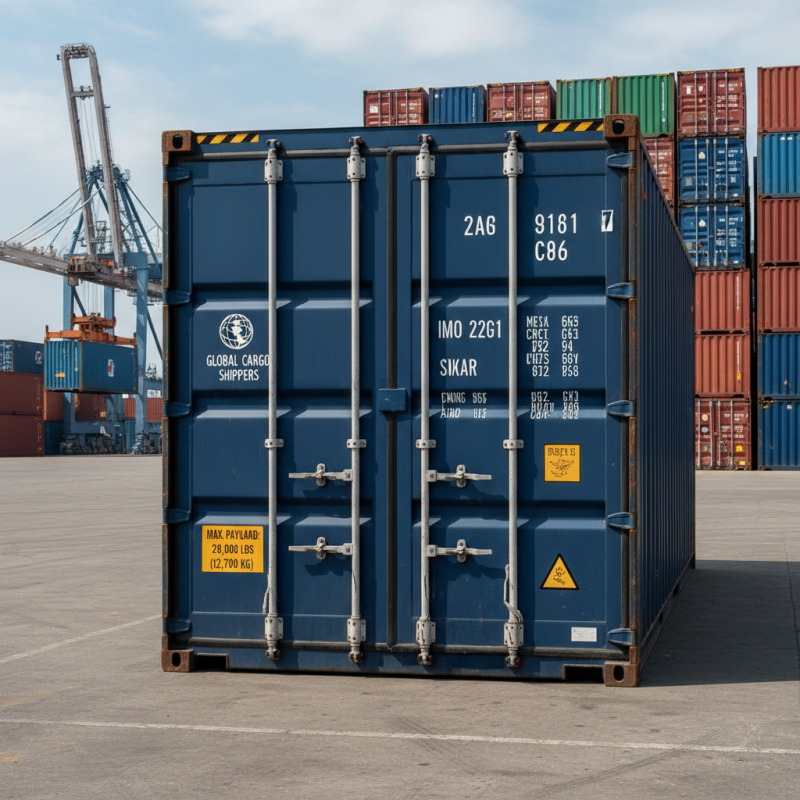
When selecting the right 20 ft cargo container for your shipping needs, it’s essential to understand the types available and their specifications. The most common type is the standard dry container, designed for general cargo. It features a robust steel structure, with a maximum payload capacity of around 28,000 pounds. Standard containers typically have a height of 8.5 feet. This type is ideal for non-perishable goods, making it the go-to choice for many shipping companies.
Another popular option is the high cube container, which provides an additional foot in height compared to the standard model. This extra space can be valuable for shippers dealing with taller items or those looking to maximize volume without exceeding weight limits. The high cube container retains the same length and width as the standard model while offering an interior height of 9.5 feet, enhancing loading efficiency for bulkier items. Additionally, there are specialized containers, such as refrigerated units for temperature-sensitive products, or open-top containers for oversized cargo. Understanding these specifications ensures that you choose a container that aligns with your shipping requirements.
Key Features to Consider When Selecting a Cargo Container
When selecting a 20 ft cargo container for shipping needs, several key features should be taken into consideration to ensure that it meets your logistical requirements. The primary factors include the container's structural integrity, the quality of materials used, and the specific dimensions that fit your cargo profile. According to a report by the International Maritime Organization, over 90% of the world’s trade is transported by sea, making the strength and durability of shipping containers essential. A high-quality steel construction can withstand harsh weather conditions and ensure the safety of goods, reflecting a trade-off between initial investment and long-term reliability.
Another significant aspect to consider is the container's ventilation and insulation features. For example, containers that incorporate proper ventilation systems can prevent moisture buildup, which is crucial for transporting sensitive goods such as electronics or perishables. The U.S. Department of Transportation states that approximately 25% of cargo loss can be attributed to inadequate ventilation leading to spoilage or damage. Depending on the nature of your goods, you may also want to analyze the options available for refrigeration units, especially for perishable items, ensuring your cargo remains in optimal condition throughout shipping. Choosing the right cargo container with these features can significantly mitigate risk and enhance the overall efficiency of the shipping process.
Shipping Container Weight Capacity Comparison
This chart illustrates the weight capacity of different types of 20 ft cargo containers. Understanding the weight limitations is essential for choosing the right container for your shipping needs.
Assessing Container Condition: New vs. Used Options
When choosing a 20 ft cargo container for shipping needs, assessing the condition of the containers is of paramount importance. The primary options available are new and used containers, each presenting unique advantages and considerations. New containers, often referred to as "one trip" containers, are made from high-quality materials, ensuring enhanced durability and a pristine condition free from rust or damage. According to industry reports, new containers can typically last up to 20 years with proper maintenance, making them a reliable long-term investment for businesses requiring consistent use.
On the other hand, used containers are generally more budget-friendly, making them an attractive option for startups and businesses looking to minimize costs. However, the condition of used containers can vary significantly. It's crucial to inspect for structural integrity, signs of corrosion, and potential leaks, as these factors can greatly affect container performance. Data from the Container Owners Association highlights that approximately 40% of used containers have some level of wear and tear, which can shorten their lifespan. Potential buyers should request a detailed inspection report and consider the operational history of the used unit to ensure it meets their shipping requirements.
Ultimately, the decision between new and used containers hinges on specific shipping needs, budget constraints, and the expected duration of usage. By thoroughly assessing the condition of the containers and making informed evaluations, businesses can secure the most appropriate cargo solution for their logistical operations.
How to Choose the Right 20 ft Cargo Container for Your Shipping Needs - Assessing Container Condition: New vs. Used Options
| Container Type |
Condition |
Price Range ($) |
Key Features |
Best Use Cases |
| Standard Container |
New |
2,500 - 3,500 |
Weatherproof, Durable |
General Cargo Shipping, Storage |
| Refrigerated Container |
Used |
3,000 - 4,500 |
Temperature Control, Insulation |
Perishable Goods Transport |
| High Cube Container |
New |
3,000 - 4,000 |
Extra Height, Flexible Usage |
High Volume Goods, Equipment |
| Flat Rack Container |
Used |
1,500 - 2,500 |
Open-Top, Loading Flexibility |
Heavy Machinery, Bulky Cargo |
| Tunnel Container |
New |
3,500 - 4,500 |
Dual Access, Versatile |
Warehouse Solutions, Inventory Management |
Shipping Regulations and Compliance for 20 ft Cargo Containers
When selecting a 20 ft cargo container for shipping, it's crucial to understand the shipping regulations and compliance requirements that govern their use. Different countries and regions have specific guidelines concerning the transport of goods, which can vary widely based on the type of cargo, container specifications, and transportation methods. To ensure compliance, familiarize yourself with international maritime organization regulations and local customs laws. These regulations often dictate the minimum safety and structural standards that containers must meet for overseas transport.
Additionally, documentation is a vital part of compliance. Proper paperwork, including bills of lading, customs declarations, and inspection certificates, must be in order before shipping your cargo. Missing or incorrect documentation can cause delays and additional costs. Furthermore, depending on the nature of your goods, you may need to comply with specific health and safety regulations, particularly for food items, chemicals, or other sensitive cargo. By understanding and adhering to these regulations, you can ensure a smoother shipping process and reduce the risk of potential legal issues during transit.