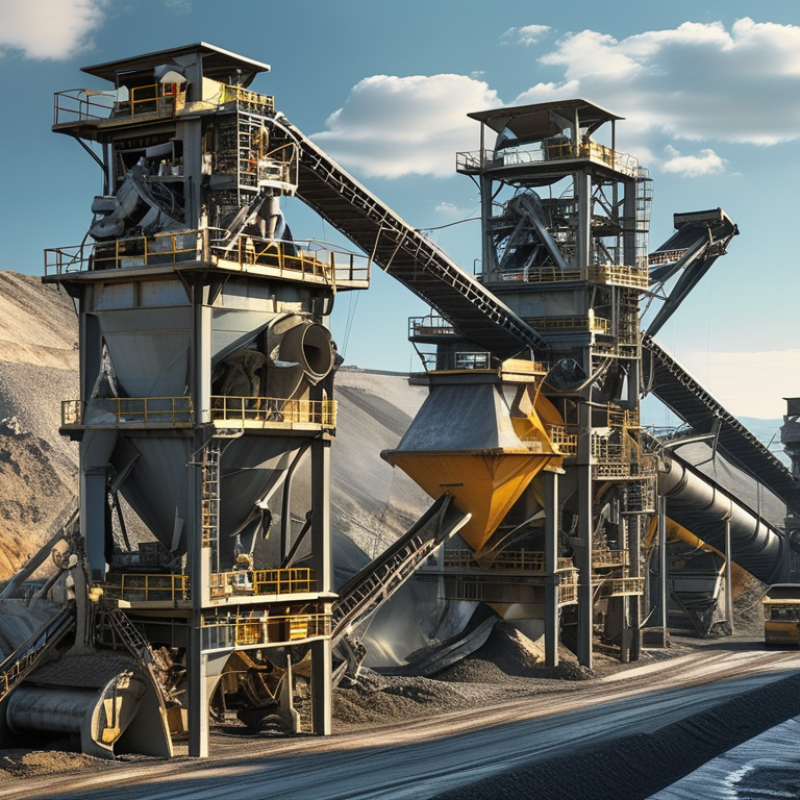
How to Choose the Best Tailings Dry Discharge Equipment?
Selecting the right Tailings Dry Discharge Equipment is crucial for efficient mining operations. The process can be complex. Equipment must be reliable and suited for specific conditions. Factors like material consistency and environmental regulations play a key role in this choice.
Understanding the unique characteristics of tailings is essential. Different types of tailings require different handling methods. A one-size-fits-all approach rarely works. It’s important to consult experts in the field. Their insights can provide valuable guidance on optimal equipment choices.
Ultimately, the goal is to enhance efficiency while minimizing environmental impact. Investing in quality Tailings Dry Discharge Equipment can save costs and time in the long run. However, making the right choice demands careful consideration and expert advice. Reflecting on your operational needs can lead to better decisions.
Criteria for Selecting Tailings Dry Discharge Equipment Effectively
Choosing the right tailings dry discharge equipment is crucial for efficiency and sustainability. According to a report by the International Council on Mining and Metals (ICMM), selecting proper equipment can reduce water usage by up to 40%. This shows the importance of making informed decisions.
When evaluating equipment, consider the capacity and efficiency. Data from the U.S. Geological Survey indicates that improperly chosen systems can lead to increased costs and environmental impacts. Look for technologies with proven performance in similar conditions. Assess how they perform under high tailings volumes.
Cost is another essential factor. The global market for tailings management is projected to grow significantly, reaching approximately $4 billion by 2025. However, the upfront investment in high-quality equipment can save money long-term. Reflecting on maintenance needs is also important. Equipment failures can halt operations, leading to costly delays.
Understanding the Types of Tailings Dry Discharge Technologies Available
When selecting tailings dry discharge equipment, it is crucial to understand the available technologies. Common methods include paste thickening, filtration, and dry stacking. Each technology has unique benefits and challenges. For instance, paste thickening enhances water recovery, allowing potential reuse in mining operations. According to a study by the International Journal of Mineral Processing, paste tailings can reduce water usage by up to 50%.
Filtration is another viable option. It enables a solid and stable tailings product. However, the initial investment is typically higher, which might deter some operators. Interestingly, dry stacking is gaining attention for its smaller footprint and reduced environmental risk. A report from the World Resources Institute noted that dry stacking can lower tailings dam failures, which are critical in ensuring operational safety.
Nonetheless, challenges exist in technology selection. Operators face trade-offs regarding capital costs and long-term benefits. Additionally, the expertise required to manage these technologies varies. It is advisable to thoroughly evaluate each method's efficiency and reliability before making a decision. Many mining operations still rely on conventional tailings management. Awareness of recent advancements can be a game changer in optimizing tailings management strategies.
Key Performance Indicators for Tailings Dry Discharge Equipment
When selecting tailings dry discharge equipment, specific performance indicators play a crucial role. Efficiency is paramount. A well-rated system can achieve a moisture content of below 15%. Data shows that efficient equipment increases the recovery rate of valuable minerals. A recovery rate of 90% is considered optimal in several mining operations.
Another important metric is the reliability of the equipment under varied operational conditions. Equipment should perform well, whether in high-capacity or low-capacity situations. Many studies indicate that frequent breakdowns increase operational costs significantly. Reports reveal that downtime can account for up to 20% of total operating costs.
Operational safety cannot be overlooked. Equipment must comply with safety standards to protect workers. Risk assessments should be conducted regularly. Equipment that does not meet safety benchmarks could expose workers to hazards. Inconsistent performance and safety issues often lead to a lack of trust in the equipment. Investing in quality is crucial, even if it requires more initial capital.
How to Choose the Best Tailings Dry Discharge Equipment? - Key Performance Indicators for Tailings Dry Discharge Equipment
| Parameter | Description | Measurement Unit | Recommended Value |
| Drying Efficiency | Percentage of water removed from tailings | % | ≥ 85% |
| Energy Consumption | Energy consumed per unit of tailings processed | kWh/ton | ≤ 5 kWh/ton |
| Operational Cost | Cost per ton of dried tailings | USD/ton | ≤ 10 USD/ton |
| Equipment Availability | Percentage of time equipment is operational | % | ≥ 95% |
| Tailings Granulation | Size distribution of dried tailings particles | mm | D90 ≤ 10mm |
Evaluating Cost-Benefit Analysis in Tailings Management Solutions
When evaluating tailings management solutions, a thorough cost-benefit analysis is essential. This process helps identify both direct and indirect costs associated with different tailings dry discharge equipment. Understanding the initial investment, operational costs, and potential savings can guide better decision-making. Clear breakdowns of expenses can reveal inefficiencies. In some cases, equipment that appears cheaper may incur hidden costs over time.
Consider the environmental impact when weighing options. Sustainable solutions may require higher upfront costs but lead to long-term benefits. An informed decision includes assessing regulatory compliance and potential liabilities. Assessing the risks of pollution incidents is crucial. While some methods promise high efficiency, they might also carry risks of environmental degradation. Balancing profit and responsibility is a challenge.
Engaging with experienced professionals can provide valuable insights. Their expertise can highlight pitfalls that may not be immediately apparent. Collaborating with engineers and environmental specialists ensures a comprehensive understanding of available technologies. It's vital to question assumptions about equipment performance and longevity. Keeping an open dialogue with stakeholders can lead to innovative solutions that are both cost-effective and environmentally sound.
Cost-Benefit Analysis of Tailings Dry Discharge Equipment
Impact of Environmental Regulations on Tailings Dry Discharge Equipment Selection
Environmental regulations play a crucial role in selecting tailings dry discharge equipment. Industries must comply with strict guidelines aimed at minimizing environmental impact. This often requires advanced technology that can efficiently manage waste without polluting surrounding areas. The choice of equipment is heavily influenced by these regulations.
Different regions have varying standards. Some may demand higher filtration efficiency or specific material requirements for equipment. Understanding local laws is essential. Equipment that meets these regulatory requirements often enhances operational efficiency. However, it may also present deeper challenges in sourcing, maintenance, and integration with existing systems.
Moreover, companies might face pressure to innovate. As environmental concerns grow, outdated practices are no longer acceptable. This creates a need for ongoing assessments of equipment compliance. Regular evaluations of technology become necessary. Balancing performance and compliance can be tricky. While some equipment might excel in one area, it could fall short in another. Achieving a viable solution requires careful consideration of both environmental impact and operational feasibility.