How to Choose the Best Silicon Steel Alloy for Your Needs?
Choosing the right Silicon Steel Alloy can significantly impact your project's success. These alloys are critical in various applications, especially in electrical engineering and automotive industries. Their unique properties, such as magnetic permeability and electrical resistivity, make them highly sought after for transformers and electric motors.
However, selecting the best Silicon Steel Alloy isn't always straightforward. Different grades offer various benefits and drawbacks. For instance, some alloys might provide better performance but are more costly. This complexity requires careful evaluation and understanding of your specific needs.
Yet, it’s essential to reflect on your project requirements and long-term goals. Do you prioritize cost efficiency, or is performance your main concern? Balancing these factors can be challenging but is necessary for a successful selection. By exploring different options and consulting with experts, you can make a more informed decision about which Silicon Steel Alloy suits you best.
Understanding the Basics of Silicon Steel Alloys
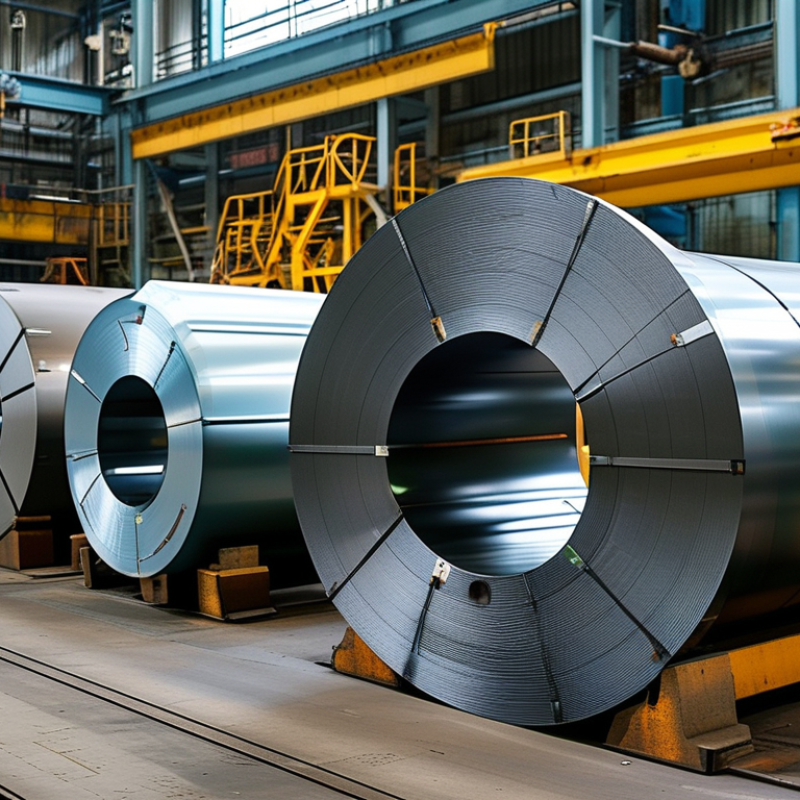
Silicon steel alloys play a crucial role in various applications, particularly in electrical engineering. These materials are specifically designed to improve magnetic properties. Understanding the basics of silicon steel alloys can guide you in selecting the right one for your needs.
Silicon content in steel alloys varies widely. Typically, the percentage ranges from 1% to 4.5%. Higher silicon content generally enhances electrical resistance. However, it may compromise mechanical strength. This trade-off is essential when assessing performance requirements. Consider the application carefully. For example, grain-oriented silicon steel is ideal for transformers due to its electrical efficiency. On the other hand, non-oriented variants work well in motors.
Knowing the thermal conductivity is also vital. Silicon steel alloys can withstand higher temperatures. However, not all alloys handle heat equally. Some may exhibit deterioration under extreme conditions, affecting their reliability. This is an area that requires careful evaluation. Always think about the operational environment and stress factors. Making a choice without this reflection could lead to premature failures or inefficiencies, underscoring the importance of informed selection.
Key Properties to Consider When Choosing Silicon Steel
When selecting a silicon steel alloy, consider several key properties. Electrical conductivity is crucial. Higher conductivity improves efficiency, making it essential for applications like transformers and electric motors. Look for alloys that offer a good balance of conductivity and mechanical strength. Too much focus on conductivity can sometimes weaken the material's structural integrity.
Another important property is core loss. This refers to energy wasted during operation. Low core loss is vital for energy-efficient designs. Alloys with refined grain structures often exhibit lower core losses. It's a trade-off; fine-tuning the grain can improve performance but may add complexity to production processes. Understand your production capabilities and performance requirements before making decisions.
Magnetic permeability is also a key factor. Alloys with high permeability can enhance magnetic field efficiency. Yet, achieving this might compromise other properties. There’s no one-size-fits-all solution. Engineers need to weigh these properties against cost and availability. A wrong choice could lead to inefficiencies down the line, so take time to analyze your specific demands and applications.
Different Types of Silicon Steel Alloys and Their Applications
Silicon steel alloys are vital in various industries due to their magnetic properties. Understanding the types of silicon steel alloys can guide you in making the right choice for your application. Grain-oriented silicon steel is commonly used in transformers. Its superior magnetic performance reduces core losses significantly. This type is ideal for high-efficiency energy applications.
Non-oriented silicon steel, on the other hand, is versatile. It's widely used in motors and generators. This alloy type provides consistent magnetic properties in all directions, making it suitable for various electrical devices. Additionally, its mechanical strength is commendable, ensuring durability under operational stress.
Many customers often overlook the importance of alloy composition. This can lead to inefficiencies. Choosing the wrong type can result in heat loss and reduced performance. It’s crucial to evaluate specific needs before making a decision. Don't rush the process of selection. Focus on the intended application to determine the most suitable alloy.
How to Choose the Best Silicon Steel Alloy for Your Needs?
| Type of Silicon Steel Alloy | Silicon Content (%) | Key Properties | Common Applications |
| Grain-Oriented Silicon Steel | 3.0 - 4.5 | High magnetic permeability, low core loss | Transformers, electric motors |
| Non-Oriented Silicon Steel | 1.0 - 3.5 | Good magnetic properties in all directions | Electric machines, generators |
| Silicon Manganese Steel | 2.0 - 4.0 | Resistant to strain aging, good toughness | Energy applications, offshore wind turbines |
| High-Strength Low-Alloy Silicon Steel | 1.0 - 2.5 | Enhances strength, ductility | Automotive components, structural applications |
Factors Influencing the Selection of Silicon Steel for Specific Uses
Selecting the right silicon steel alloy is crucial for its performance in various applications. Key factors include magnetic properties, core loss, and mechanical strength. Industrial studies suggest that low core loss is vital in transformer applications, influencing efficiency. Opting for silicon steel with 3% to 4.5% silicon can enhance magnetic performance, making it suitable for high-frequency applications.
Mechanical properties also play a significant role. Certain alloys meet stringent requirements for forming and welding during fabrication. A report by the International Magnetics Association found that silicon steel with enhanced tensile strengths, around 400 MPa, provides better durability in manufacturing. However, alloys with higher silicon content may compromise workability. This trade-off requires careful consideration of application demands.
Lastly, the environment and expected lifespan should be assessed. Applications in corrosive environments may require additional coatings or treatments. Engineers must also consider heat resistance and operating temperatures. A thorough analysis can mitigate issues like unexpected wear or deformation. This attention to detail is vital for longevity and reliability in the field.
How to Choose the Best Silicon Steel Alloy for Your Needs?
Guidelines for Evaluating Suppliers of Silicon Steel Alloys
When evaluating suppliers of silicon steel alloys, expertise is key. A knowledgeable supplier understands the specific applications and properties of different alloys. Look for companies with years of experience in the field. They should have a track record of successful projects and satisfied clients. Check if they are involved in industry standards or associations. This can indicate a commitment to quality.
Customer service is another important factor. A reliable supplier should communicate effectively and respond to inquiries promptly. It’s beneficial to gauge their willingness to provide technical support. Ask questions about their production processes and quality control measures. Transparency in these areas often leads to a more trusting relationship.
Consider the supplier’s ability to meet your specific needs. Not all suppliers will have the same capabilities. Some may focus on high-volume orders, while others excel in custom solutions. Assess whether they can adapt their products to your application. Reflecting on your requirements will help you choose a supplier who aligns with your goals. Evaluate references and client feedback to ensure they have a solid reputation.