How to Choose the Best Second Hand Storage Containers for Your Needs?
In recent years, the demand for second hand storage containers has surged. According to a market report, the industry is expected to grow by 4.5% annually. This growth highlights the increasing reliance on sustainable practices and cost-effective solutions. Many companies are turning to these containers as a viable option for reducing waste and expenses.
Choosing the right second hand storage containers can be challenging. Factors like size, condition, and price must be evaluated carefully. Not every container will meet your specific needs. In fact, a recent survey found that over 30% of users were dissatisfied with their purchases due to misjudged dimensions or subpar quality. This indicates a need for thorough research.
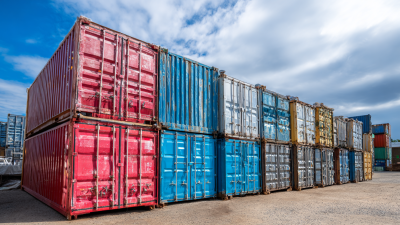
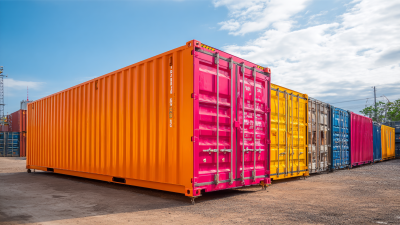
Moreover, the variety available can be overwhelming. From shipping containers to portable options, each has its advantages. Some may find aesthetic appeal in older, rusted containers, while others may prioritize functionality. It's essential to weigh these aspects against your own requirements. In some cases, you might rethink what you consider "perfect" or "suitable." Knowing the right questions to ask can make all the difference.

Understanding Your Storage Needs and Requirements
When selecting second-hand storage containers, it's vital to understand your storage needs. Different items require different types of containers. For seasonal clothes, breathable fabrics are necessary. Food storage may need airtight options. Consider the items you plan to store. Will they be heavy, or do they need extra protection? Assessing your requirements helps narrow down choices.
Size plays a crucial role in your decision. Some containers might seem perfect but are too large or small for your space. It's easy to underestimate or overestimate the size needed. Visualize where the container will go. Measure your space beforehand to avoid future regrets.
Also, think about how often you’ll access these containers. If you need frequent access, choose something light and easy to open. Heavy or complex designs may frustrate you over time. Remember to examine each container for wear and tear. A small crack could lead to bigger issues later on. Reflect on your storage journey and adjust your strategy as needed. Your storage decisions are personal, so choose what feels right for you.
Evaluating the Condition of Second-Hand Storage Containers
When evaluating second-hand storage containers, assessing their condition is crucial. Start by inspecting the exterior and interior for any signs of damage. Look for dents, rust, or cracks that might compromise their strength. Pay attention to the seals and hinges as well. They should function properly to ensure your items remain secure. A small crack could lead to future issues, so don’t overlook minor details.
Next, consider how well the container has been maintained. Ask the seller about its previous usage. A container that has stored items in damp conditions may have unseen mold or odors. Take a moment to sniff it. Sometimes, a strong smell indicates underlying problems. Visual inspections are important, but scent can reveal other stories.
Lastly, think about the container's cleanliness. An unclean container, regardless of its structural integrity, can introduce contaminants to your belongings. Scrutinize for leftover residues or stains. Remember, while a container that looks good may seem ideal, its history matters. Understanding these aspects will help you make a more informed decision.
Comparing Different Materials and Sizes of Containers
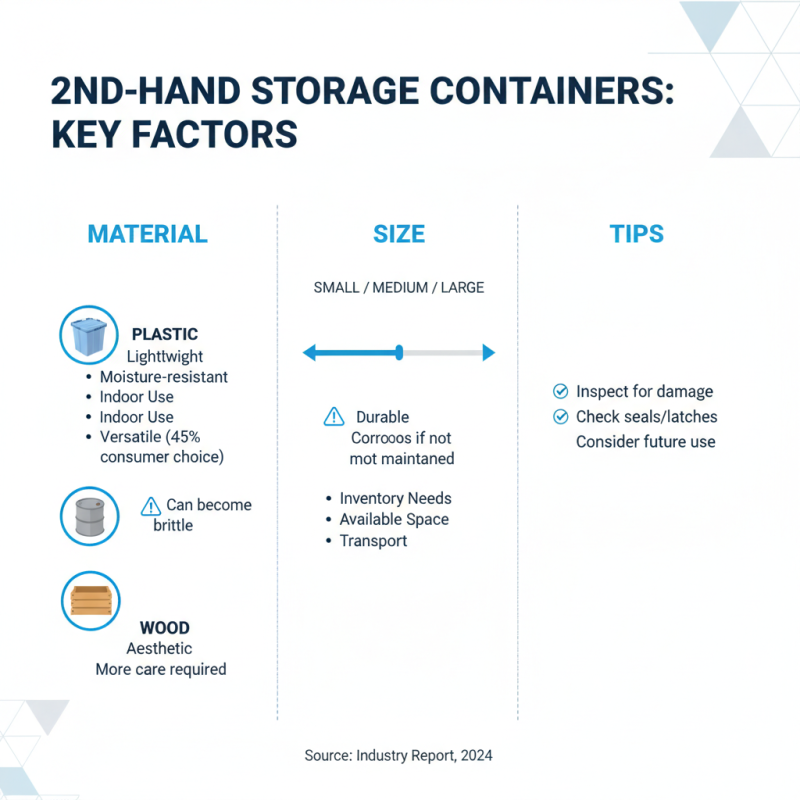
When selecting second hand storage containers, material and size are key factors. Plastic containers are lightweight and resistant to moisture, making them ideal for indoor use. According to a recent industry report, nearly 45% of consumers prefer plastic for its versatility. However, they can become brittle over time, especially in extreme temperatures. Metal containers, while durable, may corrode if not properly maintained. Wood is another option, offering aesthetics but typically requiring more care.
Size matters significantly when it comes to choosing storage. Small containers can keep items organized, but they may lead to frequent trips to access supplies. Larger ones can hold more, but they often become heavy and unwieldy. Research suggests that approximately 70% of users opt for medium-sized containers for their balance between capacity and usability. However, this middle ground might not fit every need.
Reflecting on your unique requirements is essential. Consider the types of items you plan to store and how often you'll access them. A mismatched size or material could hinder efficiency. Sometimes, less popular materials might offer hidden benefits. For example, reusable fabric bags, while not as sturdy, can be easy to fold and store when not in use. Adjust your choices as necessary; it's important to think critically about what works best for you.
Assessing Cost-Effectiveness and Budget Constraints
When selecting second-hand storage containers, cost-effectiveness is crucial. Assess your budget before diving into options. Look for containers that fit your needs without overspending. This requires a clear understanding of what you want to store. Is it bulky items, or smaller essentials? Focus your search accordingly.
Consider the condition of the containers you find. A good price might not mean quality. Inspect for wear and tear. A cheap option could lead to additional costs later. Think about how long you plan to use them. Short-term needs may allow for more flexibility, while long-term storage requires durability. A damaged container could cost more than it saves.
It’s easy to get drawn into flashy designs. But, practicality should come first. Remember, what’s functional might not look perfect. Budget constraints often mean compromises. Reflect on whether aesthetics or function is more important for your situation. Finding that balance can be challenging.
Finding Reliable Sources for Purchasing Used Storage Containers
When searching for second-hand storage containers, reliability is crucial. Many sources exist, but not all are trustworthy. According to a recent industry report, approximately 30% of used containers sold online may not meet quality standards. This highlights the importance of vetting your sources carefully.
Local listings, estate sales, and auctions are potential gold mines for quality storage containers. However, buyers should exercise caution. Inspect the containers for rust, structural damage, or leaks. A visual assessment may not detect all issues, making it essential to ask detailed questions. Buyers often overlook the significance of warranties or return policies, which can offer peace of mind.
Online marketplaces are another option, but they come with risks. A study showed that about 20% of buyers faced unexpected issues after purchase. Look for sellers with positive reviews and high ratings. Avoid sellers with vague descriptions or limited images. Trustworthy transactions commonly provide sound support, including clear shipping and return guidelines.
Comparison of Second Hand Storage Container Types by Average Price and Capacity