Why Choose an Electric Generator for Your Power Needs?
In an increasingly unpredictable world, having a reliable power source is essential. An Electric Generator stands out as a practical solution for both homes and businesses. These devices provide a consistent power supply during outages and can be a lifeline in emergencies.
The ability to operate various appliances, from refrigerators to medical equipment, highlights the generator's versatility. Electric generators come in different sizes and capacities, suitable for diverse power needs. However, choosing the right one can be challenging. It requires understanding your specific requirements and the generator's features.
For some, the noise level and fuel efficiency are critical factors. Others may prioritize portability or budget. As usage increases, it’s important to assess reliance on technology. Electric generators can ease burdens but also raise questions about sustainability. Finding the right balance is vital to meet power needs responsibly.
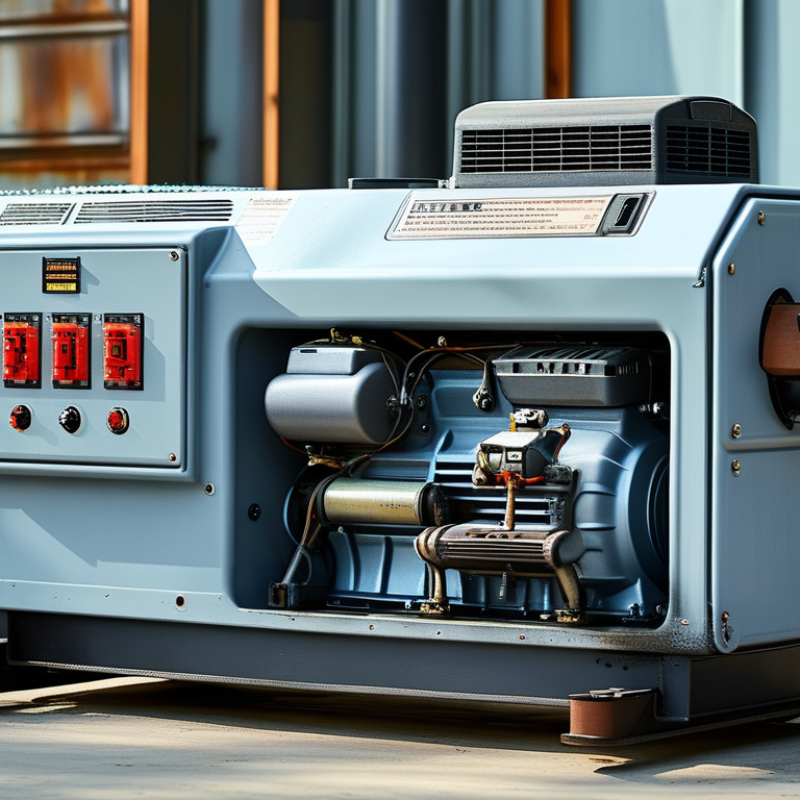
Benefits of Using Electric Generators for Diverse Power Needs
Electric generators are increasingly popular for diverse power needs. They offer reliable energy solutions in various settings, from homes to construction sites. One benefit is portability. Generators can be moved easily, providing power wherever it’s needed most.
Another advantage is adaptability. Electric generators can cater to different energy requirements. Whether running tools for work or supplying power during an outage, their versatility is crucial. They can also be a backup during emergencies, ensuring food remains frozen and essential electronics stay operational.
However, there are challenges to consider. Regular maintenance is essential for efficiency. Some users may overlook this, leading to issues during crucial moments. Additionally, noise levels can be a concern in residential areas. Balancing power availability and noise control requires thoughtful planning. Users must weigh the pros and cons carefully to determine the best fit for their specific needs.
Comparative Analysis of Generator Types: Gas vs. Diesel vs. Solar
When selecting a generator, it's essential to weigh options like gas, diesel, and solar. Each type has its own strengths and weaknesses. Gas generators are often the most portable and easier to use. They are ideal for short-term power supply, such as camping trips or outdoor events. However, they often require frequent refueling and maintenance. Their efficiency can drop significantly in extreme weather conditions.
On the other hand, diesel generators tend to be more robust and fuel-efficient. They excel in providing extended power for industrial purposes or remote job sites. Their durability often translates to higher upfront costs, which can be a drawback for smaller applications. Nonetheless, diesel units can run longer without needing fuel, making them reliable for prolonged use.
Solar generators present a unique, eco-friendly alternative. They harness renewable energy, making them appealing to environmentally conscious users. However, their reliance on sunlight can limit performance during cloudy days. Additionally, they typically have a lower power output compared to their gas and diesel counterparts. While solar technology is improving, users may need to rethink their expectations regarding capacity and charging times. Investing in the right generator type can be a nuanced decision influenced by specific energy needs and environmental factors.
Key Considerations for Selecting the Right Electric Generator
When selecting the right electric generator, several key considerations come into play. First, it's crucial to assess your power requirements thoroughly. According to the U.S. Energy Information Administration, the average American home uses about 877 kWh per month. This translates to roughly 30 kWh per day. Understanding your energy consumption helps determine the wattage needed for your generator, ensuring it meets your demands effectively.
Portability can be another critical factor. Some generators are designed for stationary use, while others are portable. If you frequently need power in different locations, a lightweight, compact model may be necessary. However, keep in mind that portable generators often provide less power. A report from the Electric Power Research Institute indicates that around 25% of homeowners use portable generators for backup power. This highlights the growing trend and importance of having a reliable source of energy in emergency situations.
Noise levels should not be overlooked, especially in residential areas. Many generators operate at decibel levels comparable to a vacuum cleaner, which can be disruptive. Checking noise ratings can help you choose a model that's quieter. As noise regulations tighten, finding a generator that balances performance with low noise output is increasingly important. These considerations are essential for selecting a generator that aligns with your power needs and lifestyle.
Industry Statistics: Reliability and Efficiency of Electric Generators
Electric generators are becoming increasingly popular in various sectors. According to industry statistics, nearly 30% of businesses rely on generators for backup power. This reliance underscores the importance of reliability. Research shows that modern electric generators can achieve 90% efficiency ratings. This means they convert most of the fuel into usable energy, minimizing waste.
A recent survey found that 78% of users prioritize efficiency when choosing a generator. More efficient generators lead to lower operational costs and reduced emissions. However, some users report challenges, such as maintenance issues. Regular upkeep is essential to maintain efficiency, yet many overlook this critical aspect.
Furthermore, reliability and performance are essential. Statistics indicate that 15% of users experience unexpected generator failures. This highlights the importance of choosing quality equipment. Continuous improvements in technology can enhance the performance of future generators. As energy needs grow, the demand for reliable generators will likely increase. Failure to adapt to changing needs could limit effectiveness.
Environmental Impact: The Shift Toward Cleaner Power Solutions
As the demand for cleaner energy grows, electric generators stand out as a practical solution. They offer a way to reduce carbon emissions. Unlike traditional fossil fuel generators, electric models use renewable energy sources. This shift can significantly lessen our environmental footprint.
Transitioning to electric generators doesn’t come without challenges. Infrastructure for charging can be limited in some areas. Individuals may need to invest in energy-efficient appliances to fully benefit. Understanding local electricity sources is key. Some regions still rely on coal or natural gas, which can offset the environmental benefits.
Public awareness and education are crucial. Many people remain unaware of the advantages of electric generators. Insights into their environmental impact can encourage more individuals to make the switch. As more consumers choose cleaner power solutions, the momentum toward sustainability grows stronger.
Environmental Impact of Power Sources
This bar chart illustrates the CO2 emissions produced per kilowatt-hour (g CO2/kWh) by various power sources. As seen in the chart, renewable sources such as hydropower, solar, and wind exhibit significantly lower emissions compared to fossil fuels like coal and natural gas, highlighting the environmental benefits of cleaner energy solutions.