Why Choose Sea Container Solutions for Your Shipping Needs?
In today’s global economy, shipping goods efficiently is essential. Sea containers have emerged as a reliable option for transporting products. They offer unique advantages that can enhance your shipping experience. Using sea container solutions can simplify logistics and improve safety.
Sea containers are designed for durability. They protect goods from harsh weather conditions during transit. This quality minimizes damage and loss. Additionally, these containers are versatile. They can accommodate various types of cargo, from machinery to food products. However, choosing the right solution can be challenging. Many options exist, and not all offer the same level of service.
Working with experienced providers is crucial. These companies understand industry standards and regulations. Their expertise can help ensure compliance and efficiency. When selecting a provider, consider their reputation and reliability. The right partner can transform your shipping process and maximize your outcomes. Thus, exploring sea container options is worth the effort.
Benefits of Using Sea Container Solutions for Shipping
When considering shipping options, sea container solutions stand out for several reasons. A study by the International Maritime Organization indicates that shipping via container is about 60% more energy-efficient than road transport. This efficiency translates into a reduced carbon footprint, critical for companies aiming for sustainability. By choosing sea containers, businesses not only cut costs but also contribute to environmental preservation.
Cost-effectiveness is significant. According to recent statistics, approximately 80% of global trade by volume is accomplished via containers. This method offers flexibility in transporting various goods, ensuring safe and secure shipments. Container solutions also minimize the risk of damage, thanks to robust packing. It's essential to inspect containers regularly to ensure they remain in good condition. This can prevent costly delays.
Tip: Always calculate your total shipping costs. Look beyond just transport fees. Include customs, duties, and unforeseen charges. Small details can add up quickly. Additionally, understanding your freight schedules can help you optimize your shipping timeline, enhancing overall efficiency. Make informed choices for better shipping experiences.
Benefits of Using Sea Container Solutions for Shipping
Types of Sea Containers Available for Shipping Needs
When considering sea container solutions, it's crucial to understand the various types available for shipping needs. The International Maritime Organization (IMO) reports that over 90% of the world's trade relies on maritime transport, emphasizing the importance of choosing the right container.
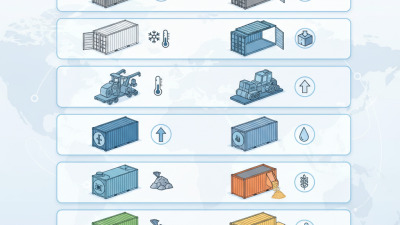
There are standard containers, which are 20-foot and 40-foot in length; they are versatile for general cargo. Reefer containers, equipped with temperature control, are ideal for perishable goods. According to the World Container Index, the demand for reefer containers has surged by 20% in recent years. High cube containers offer additional height, accommodating larger items. There are also open-top containers designed for oversized cargo that might not fit in standard containers.
Tip: Always assess the nature of your goods before choosing a container type. Inspect the container for damage before loading.
Remember that not all containers are suitable for every type of cargo. Some products require specific conditions to ensure safe transport. If you're uncertain, consult with a shipping expert to choose wisely.
Tip: Frequent fluctuations in shipping costs can influence your container choice. Stay updated with market trends.
Cost-Effectiveness of Sea Container Solutions
When considering shipping options, sea container solutions stand out for their cost-effectiveness. Shipping cargo by sea is often cheaper than air freight. This significant savings is crucial for businesses aiming to minimize overhead costs. A 20-foot container can hold substantial goods, which maximizes value for each shipment.
Additionally, sea containers offer flexibility. Different container sizes cater to varying shipment needs. Importantly, this approach reduces the frequency of shipments, leading to lower transportation costs over time. However, delays can happen, and businesses must factor in longer transit times. Effective planning can help mitigate these issues.
Another detail to note is the environmental impact. Shipping by sea generally produces fewer emissions. This factor is becoming increasingly important for businesses aiming for sustainability. However, companies should critically assess the entire supply chain to ensure that cost savings do not compromise service quality. It’s a balance that requires careful thought and experience.
Environmental Impact of Sea Container Transportation
The environmental impact of sea container transportation is increasingly under scrutiny. According to the International Maritime Organization (IMO), shipping accounts for approximately 2-3% of global CO2 emissions. This is a significant figure, highlighting the need for more sustainable shipping practices. Sea containers can be a more efficient option compared to road or air transport. On average, shipping by sea emits 40% less CO2 per ton-mile than trucks.
Despite these benefits, challenges remain. The carbon footprint of shipping can vary greatly based on the vessel type and operational practices. A study from the Global Maritime Forum suggests that under optimal conditions, container ships can reduce emissions by up to 30%. However, many vessels still rely on heavy fuel oils, which contribute to pollution.
Efforts are in progress to make sea transport greener. The adoption of cleaner technologies and alternative fuels could enhance sustainability. The shipping industry must strategically assess environmental impacts regularly. Balancing efficiency with environmental responsibilities is crucial as global trade continues to grow.
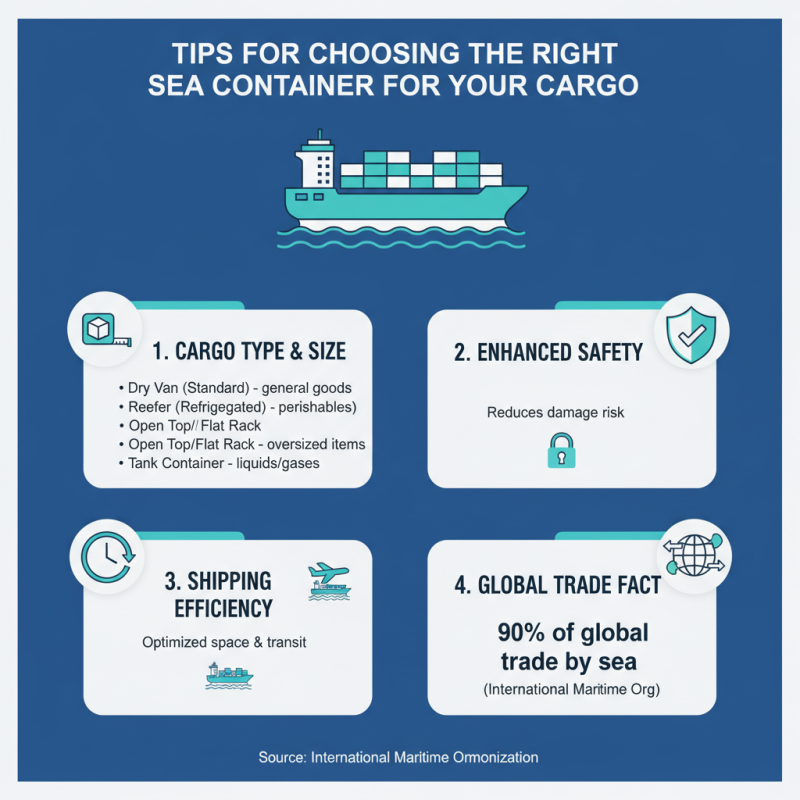
Tips for Choosing the Right Sea Container for Your Cargo
Choosing the right sea container for your cargo can significantly impact shipping efficiency. According to the International Maritime Organization, up to 90% of global trade is carried by sea. Selecting the appropriate container enhances safety and reduces potential damage.
Tip 1: Consider your cargo type. Different containers serve unique purposes. For instance, standard containers protect general goods. In contrast, refrigerated containers are essential for perishables. Ensure the container matches your specific shipping requirements.
Tip 2: Assess container size carefully. A 20-foot container holds about 28 cubic meters, accommodating a substantial load. However, if your shipment exceeds this volume, a 40-foot container may be necessary. Overloading a smaller container can lead to delays and increase the chance of damage.
Tip 3: Inspect container condition. A report from Clarkson Research indicates that damaged containers can cause significant financial losses. Request thorough inspection reports prior to shipping. Understanding the container’s condition can prevent potential setbacks.
Ultimately, informed decisions about sea containers can streamline operations. Attention to these details reflects a commitment to quality and reliability in shipping practices.