2025 How to Choose the Right Storage Shipping Containers for Your Needs
In recent years, the demand for storage shipping containers has surged, as both businesses and individuals seek efficient and cost-effective solutions for their storage needs. As noted by industry expert John Smith, a renowned figure in the logistics sector, "Choosing the right storage shipping containers is essential not only for safeguarding your assets but also for ensuring operational efficiency." This emphasizes the importance of making informed choices when selecting containers that best suit your specific requirements.
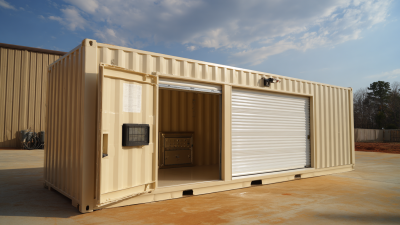
When navigating through the multitude of options available in the market, it is crucial to consider factors such as size, material, and intended use. Storage shipping containers come in various types, each designed to meet different storage needs—from mobile offices to secure on-site storage solutions. Understanding these distinctions can significantly influence your decision-making process and overall satisfaction with the containers you choose. In this article, we will guide you through the essential aspects of selecting the right storage shipping containers, ensuring that your investment aligns perfectly with your needs.
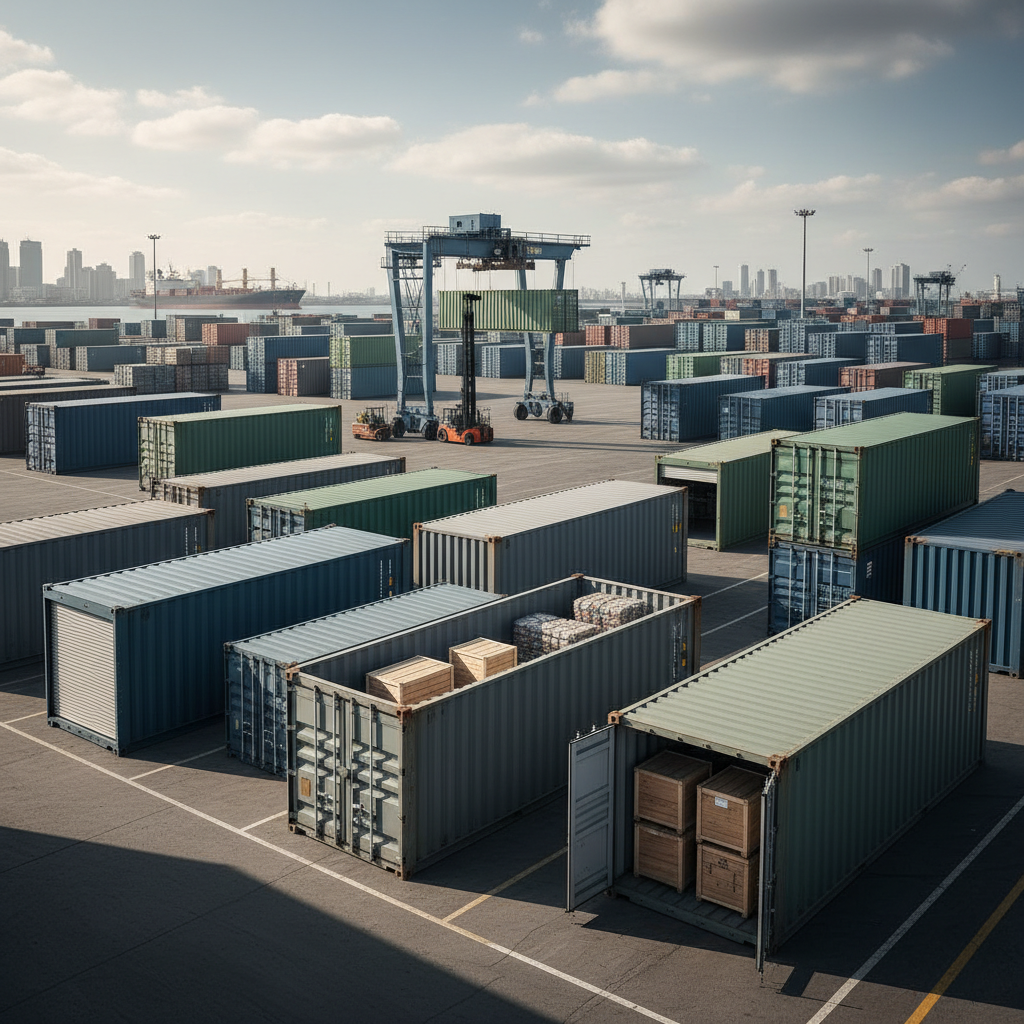
Factors Influencing Storage Container Selection for 2025 Shipping Needs
When selecting storage shipping containers in 2025, several factors play a crucial role in determining the best fit for your needs. First and foremost, it is essential to evaluate the size and capacity requirements. Depending on what you intend to store or transport, containers come in various dimensions. This choice ensures that you utilize the available space efficiently while also considering potential future needs for expansion or increased inventory.
Another important consideration is the material and durability of the containers. With advancements in technology, shipping containers now come in materials that offer enhanced protection against weather elements and pests. For instance, steel containers provide superior strength and weather resistance, making them suitable for long-term outdoor storage. Additionally, potential environmental factors, such as humidity and temperature fluctuations, should influence your decision, as these can impact the integrity of your stored items. Understanding these key factors will guide you in choosing the right shipping container that aligns both with your immediate needs and long-term goals.
2025 Storage Shipping Container Selection Factors
Understanding Key Specifications: Size, Material, and Weight Capacity of Containers
When selecting the right storage shipping container, understanding key specifications such as size, material, and weight capacity is crucial. The size of the container you choose directly impacts its usability. Common dimensions include 20-foot and 40-foot containers, but custom sizes are available. Consider your specific storage needs, whether for construction materials, residential items, or even equipment. A container that is too small may lead to overcrowding, while an excessively large one could incur unnecessary costs.
Material is another vital factor to consider. Most shipping containers are made from steel, which offers durability and security against environmental elements. However, there are specialized containers made from other materials for specific uses, such as fiberglass models for marine environments. Additionally, inspect the condition of the container, as rust and damage can significantly affect its performance and longevity.
Finally, weight capacity should not be overlooked. Each container has a maximum weight limit that must be adhered to; exceeding this can lead to structural damage or even accidents during transport. Verify the weight capacity of the container and ensure that your intended contents do not surpass this limit. Assessing these specifications will help you make a well-informed decision tailored to your storage needs.
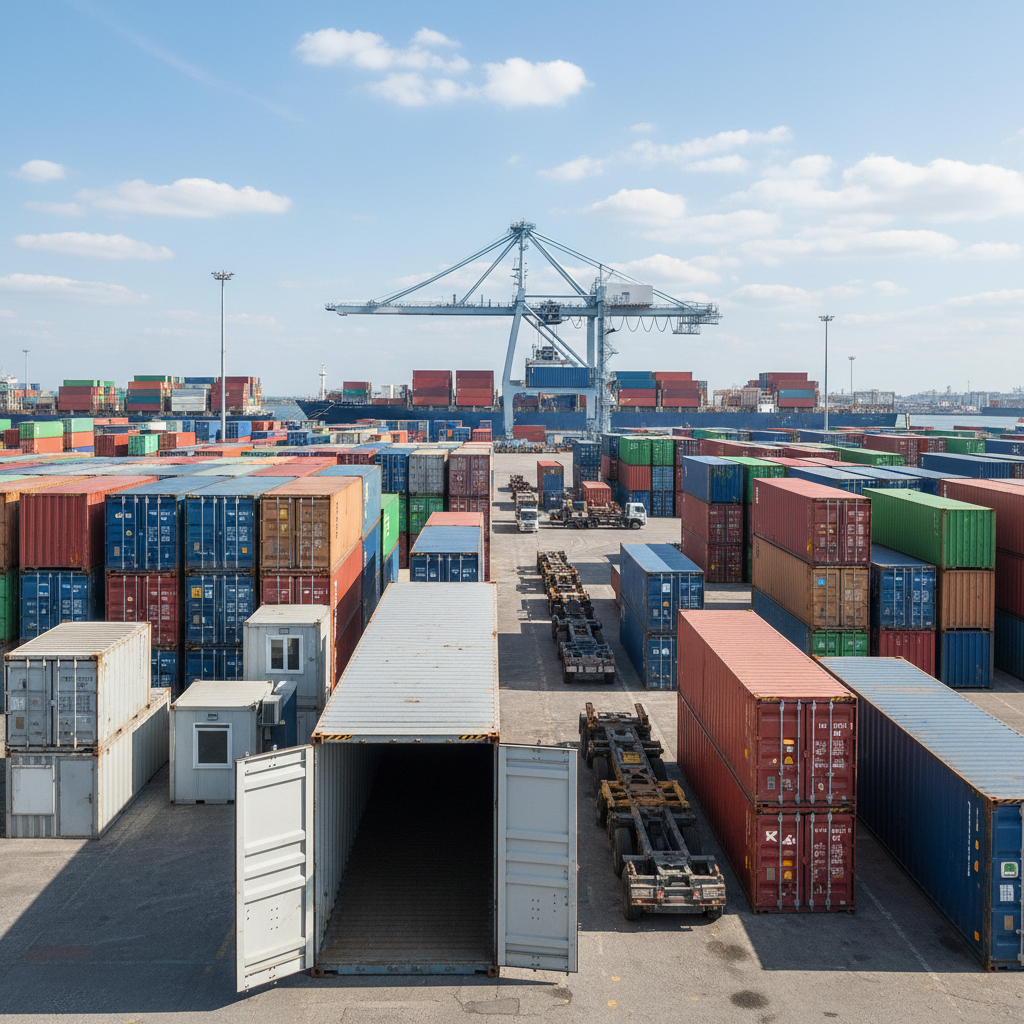
Cost Analysis: Budgeting for Purchase or Rental of Shipping Containers
When selecting shipping containers, understanding the cost implications of purchasing versus renting is crucial for effective budgeting. Recent industry reports indicate that purchasing a new shipping container can range from $3,000 to $6,000, depending on size and condition, while used containers typically cost between $1,500 to $3,000. However, this one-time payment requires upfront capital, which can strain budgets for small businesses or individuals.
On the other hand, renting offers a more budget-friendly alternative, particularly for short-term projects. Rental rates for shipping containers generally range from $100 to $300 per month, offering flexibility without the substantial initial investment. A report by Container Technology, Inc. shows that most businesses opt for renting if their storage needs are less than six months. This strategy allows companies to allocate resources toward other critical areas while still maintaining access to necessary storage solutions. Understanding your needs, whether it be short-term or long-term, is key to making an informed financial decision in the container market.
Evaluating Security Features: Enhancing Safety of Stored Goods in Containers
When choosing storage shipping containers, security features should be a top priority to ensure the safety of your stored goods. The first step is to evaluate the locking mechanisms available. High-security padlocks or built-in locking systems with tamper-proof designs can significantly deter theft. Additionally, consider containers equipped with bolt seal or cable seal options, which provide further deterrents against unauthorized access.
Another important aspect to consider is the structural integrity of the container. Opting for containers made from durable materials like corten steel can enhance resistance against both environmental conditions and potential break-ins. Ensure that the container is watertight and has proper ventilation to protect sensitive items from moisture and mold. Lastly, assess the option of adding surveillance systems or GPS tracking devices to monitor the container’s status in real-time, providing an extra layer of security and peace of mind for your stored assets.
2025 How to Choose the Right Storage Shipping Containers for Your Needs - Evaluating Security Features: Enhancing Safety of Stored Goods in Containers
| Container Type |
Size (ft) |
Security Features |
Recommended Uses |
Avg. Price ($) |
| Standard Container |
20 |
High-security locks, reinforced doors |
General storage, moving |
2,000 |
| Reefer Container |
40 |
Secure locking mechanisms, temperature monitoring |
Perishable goods storage |
4,500 |
| Flat Rack Container |
40 |
Secure tie-downs, anti-theft protections |
Heavy machinery, oversized cargo |
3,000 |
| High Cube Container |
40 |
Enhanced lock systems, tamper-proof designs |
High-value items, bulking storage |
3,200 |
| Bulk Container |
20 |
Secure closure systems, monitoring options |
Loose, bulk materials |
1,800 |
Sustainability Considerations: Eco-friendly Options for Shipping Container Usage
When choosing the right storage shipping containers, sustainability should be a focal point.
The shipping industry, historically a major contributor to global carbon emissions, is now making strides toward eco-friendly practices. According to the International Maritime Organization, the global shipping sector aims to reduce greenhouse gas emissions by at least 40% by 2030. This shift is prompting the development of innovative, sustainable solutions, such as using shipping containers for urban agriculture, pop-up retail, and affordable housing, which can contribute to reduced energy usage and increased urban regeneration.
However, it's essential to approach the idea of shipping containers as green solutions with a critical eye. While they are often praised for their versatility and aesthetic appeal, studies indicate that the repurposing process can be energy-intensive, indirectly contributing to increased emissions. For example, building codes and material treatments for container homes may negate some of the perceived sustainability benefits. Additionally, the lifespan of these containers must be considered; without proper maintenance and insulation, they may not provide the long-term environmental benefits some expect.
Evaluating these factors ensures that users align their container choices with genuine sustainability goals.