How to Choose the Right 40 Ft Container for Your Shipping Needs?
In today's global shipping landscape, selecting the right 40 ft container is vital. According to industry reports, around 90% of goods are transported by sea, and containerization plays a critical role in this process. The 40 ft container, with its capacity to hold about 2,390 cubic feet, is a preferred choice for many businesses. Understanding your shipping needs is crucial. Failing to do so can result in inefficient shipping, increased costs, and wasted resources.
Choosing the right container involves evaluating various factors. These include cargo type, volume, and weight. The standard 40 ft container can accommodate different types of goods, from machinery to textiles. However, improper usage can lead to damages and loss. Reports suggest that nearly 18% of containers have issues during transit. This highlights the need for careful selection and preparation when it comes to shipping.
It’s important to reflect on your options. Sometimes, a 20 ft container may suffice. However, the 40 ft container offers additional flexibility. Not every shipment requires maximum space. Striking a balance is essential for cost-effectiveness. Ultimately, making an informed choice about your shipping needs will lead to smoother operations and better outcomes.
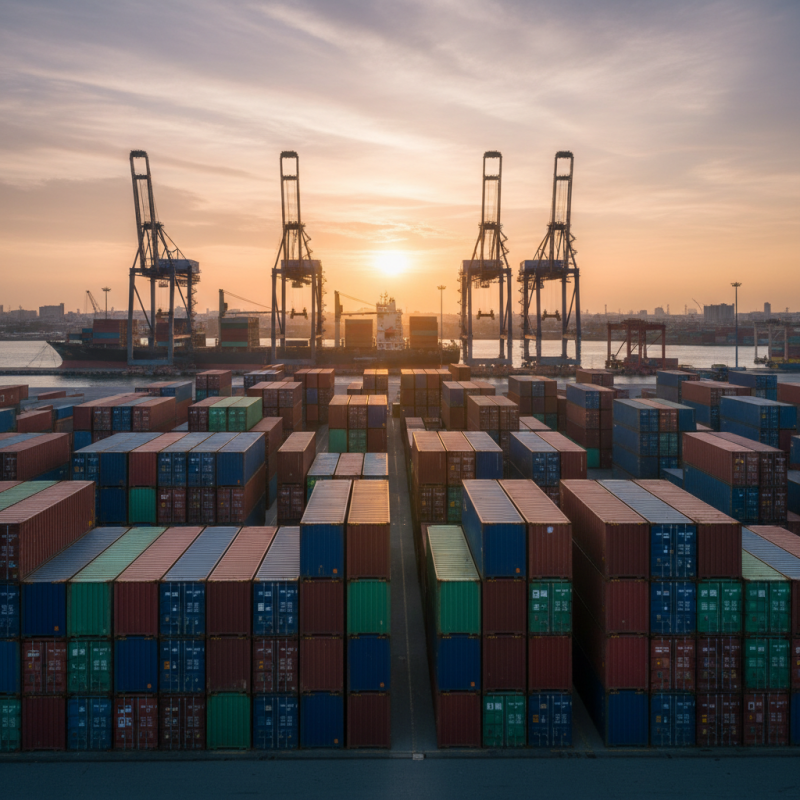
Understanding the Different Types of 40 Ft Shipping Containers
When selecting a 40 ft shipping container, it's essential to understand the types available. Generally, there are standard dry containers, high cube containers, and refrigerated containers. Each type serves a different purpose.
Standard dry containers are great for general cargo. High cube containers offer extra height for bulkier items. Refrigerated containers are ideal for perishable goods.
Tips: Consider what you need to ship. This will help you choose the right type. If you’re transporting furniture, a dry container works well. For fruits or vegetables, opt for a refrigerated option.
Remember, damage can occur. Inspect containers thoroughly before purchase. Look for rust or leaks. A small issue now can lead to bigger problems later. Also, consider your budget. Higher-quality containers may cost more upfront. However, they could save you money in repairs over time. Make the right choice for your needs.
Assessing Your Cargo Requirements for Container Selection
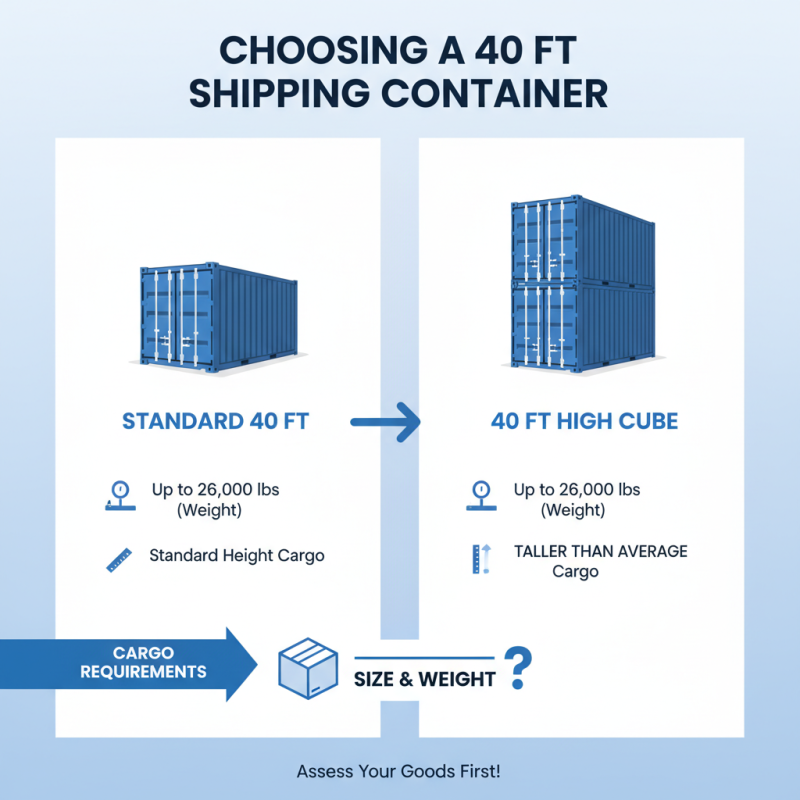
When choosing a 40 ft container, cargo requirements are crucial. Start by assessing the size and weight of your goods. This will determine if a standard or high cube container is needed. A standard container usually holds up to 26,000 pounds. However, if your cargo is taller than average, consider a high cube.
Next, think about the nature of your cargo. Is it sensitive to temperature? Special containers with refrigeration capabilities might be necessary. If you plan to ship bulk liquids, ensure the container is designed for such use. Take note of the dimensions of your cargo as well. It’s vital to measure everything accurately, as this can affect how much you can fit inside.
Don’t forget the importance of loading methods. Will your cargo be loaded from the top or sides? This must align with your container’s design. Also, consider potential damage during transport. Using sturdy packing materials can help mitigate risks. Reflect on these factors carefully. A small oversight can lead to significant costs down the road.
Evaluating Container Conditions: New vs. Used Containers
When choosing a 40 ft container, the condition is essential. New containers look pristine. They often come with warranties and certifications. However, they carry a higher price tag. Used containers are more affordable. Still, they may show signs of wear. Rust, dents, or previous repairs can impact their value. Assessing the condition requires careful inspection.
Examining a used container carefully can help prevent future issues. Look for leaks or structural damage. Check the interior for mold or odors. Sometimes, the external appearance is misleading. A well-preserved used container may serve you better than a new one.
Understanding your shipping needs is key. If you require a temporary solution, a used container could suffice. For long-term projects, investing in a new container might be wise. Reflect on how you plan to use the container. It can influence your choice significantly. Being aware of the pros and cons fosters better decision-making.
Understanding Shipping Regulations and Standards for Containers
When choosing a 40 ft container, it's crucial to understand shipping regulations. Each country has specific standards. These standards can determine the container dimensions, weight limits, and even material requirements. Not all containers meet international shipping laws. Make sure yours does.
Inspecting containers is often overlooked. Damaged or poorly maintained containers can lead to compliance issues. Check for rust, dents, or misalignment. These could signal that your container may not meet safety standards. Shipping regulations can be tricky. It’s essential to ensure that you are informed.
Documentation is key. Some regions require specific paperwork for containers. Failing to provide these can halt your shipment. Be aware of regulations in both the origin and destination countries. This is often easier said than done. Customs and regulations can change unexpectedly. Staying updated is essential for a smooth shipping experience.
Calculating Costs and Budget for Your 40 Ft Shipping Container Needs
Calculating the costs for a 40 ft shipping container requires a clear budget. Prices can fluctuate based on various factors. According to industry data, the average cost for a new 40 ft container can range from $2,500 to $5,000. Used containers are generally cheaper, often between $1,800 and $3,500. However, condition affects pricing significantly. A rusted or damaged container may lower the price, but hidden repairs can add unexpected expenses later.
Transportation costs also play a crucial role in budgeting. Shipping fees vary by location and distance. For example, moving a container across the US might cost between $300 and $1,200. Additionally, don’t overlook terminal handling fees which can add hundreds of dollars. It’s essential to factor in these extra costs to avoid budget overruns.
Consider storage needs too. Renting space for your container might cost an average of $50 to $150 monthly. Many overlook this aspect until it’s too late. You'll need to weigh saving money against potential risks. Each of these factors can contribute to the total cost of securing a 40 ft shipping container. Reflecting on all these variables is vital for making an informed decision.
Cost Analysis of 40 Ft Shipping Containers
This chart represents the cost analysis for acquiring a 40 ft shipping container. It includes costs for new and used containers, as well as monthly rental and transport costs. Understanding these costs can help you better plan and budget for your shipping needs.