How to Choose the Right 20ft Container for Your Shipping Needs
The shipping industry has undergone significant transformations in recent years, with increasing demands for efficient and cost-effective transportation solutions. One of the fundamental components in this sector is the 20ft container, which has become the standard choice for various shipping needs. According to a report by the International Maritime Organization, container shipping accounted for approximately 60% of global sea trade by 2022, underscoring the importance of choosing the right container to optimize logistics and reduce operational costs.
Selecting the appropriate 20ft container involves understanding the specifications, dimensions, and operational requirements that align with your shipping objectives. The World Shipping Council highlights that the use of standard container sizes, such as the 20ft container, can lead to enhanced cargo efficiency and better load optimization, ultimately improving shipping timelines and minimizing delays. As businesses increasingly seek to enhance their supply chains, comprehending the nuances of container selection is critical for ensuring smooth operations and meeting customer expectations.
In this guide, we will explore the essential factors to consider when choosing the right 20ft container for your shipping needs, ranging from cargo compatibility and environmental conditions to cost-efficiency and availability. By leveraging industry insights and evaluating your specific requirements, you can make informed decisions that streamline your shipping processes and support your business growth.

Factors to Consider When Choosing a 20ft Shipping Container
When choosing a 20ft shipping container, several essential factors should be taken into account to ensure it meets your shipping needs effectively. First and foremost, consider the intended use of the container. Are you planning to use it for storage, transport, or as a mobile office? The function will dictate the specific features you require, such as ventilation, insulation, or access points. Understanding your primary purpose will help narrow down options and avoid overspending on unnecessary features.
Another critical factor is the condition of the container. You can choose between new and used containers, each with its advantages and disadvantages. New containers might be more reliable and come with a warranty, but used containers can provide significant cost savings. If opting for a used container, thoroughly inspect it for rust, structural integrity, and any damages that could affect its functionality.
Lastly, consider the transportation and delivery logistics. Ensure to calculate the shipping costs to your desired location and confirm that you have the necessary space to accommodate the container once it arrives. These considerations will guide you to make an informed decision on the most suitable 20ft shipping container for your needs.
Types of 20ft Containers Available for Different Needs
When selecting a 20ft container for shipping, understanding the types available is crucial to meet your specific needs. There are several common types of 20ft containers, each designed for different shipping requirements. The standard dry container is the most widely used option, providing a robust and weatherproof space for general cargo. It is suitable for goods that are not sensitive to humidity. For fragile or perishable items, a refrigerated container, or reefer, offers temperature control, ensuring that the contents remain fresh during transit.
Another popular option is the high cube container, which provides additional height to accommodate larger cargo. This feature is ideal for bulky items or when maximizing cargo volume is essential. For those transporting oversized equipment, the open top container allows for easy loading from above, making it perfect for items that cannot fit through standard container doors. Finally, the flat rack container is designed for heavy loads that need to be secured but do not require full enclosure. Understanding the unique benefits of each type enables businesses to select the right container that best aligns with their shipping requirements.
Assessing Container Condition: New vs. Used
When selecting a 20ft container for shipping, understanding the condition of the container is crucial, as it can significantly impact your operational efficiency and costs. New containers, often referred to as "one-trip" containers, are typically used for shipping goods directly from manufacturers to customers. They are in pristine condition, offering reliability and durability, though they come at a higher price point. Opting for a new container ensures you get the most recent designs and features, which may include improved weather resistance and enhanced security features.
On the other hand, used containers can be a cost-effective alternative, particularly for businesses looking to minimize their expenditures. However, the condition of used containers can vary widely, so it is essential to conduct a thorough inspection. Look for any signs of rust, dents, or structural damage that could compromise the container's integrity. Additionally, ensure that the seals and doors function correctly to safeguard your cargo. By carefully weighing the pros and cons of new versus used containers and assessing their respective conditions, you can make an informed decision that aligns with your shipping needs and budget.
Understanding Container Specifications and Dimensions
When choosing the right 20ft container for your shipping needs, it's crucial to have a solid understanding of the specifications and dimensions that define these containers. A standard 20ft shipping container typically measures 20 feet in length, 8 feet in width, and 8.5 feet in height. These dimensions equate to a total volume of approximately 1,172 cubic feet, allowing for substantial cargo capacity. According to the International Organization for Standardization (ISO), containers are designed to ensure maximum efficiency during transport, with a standard weight limit of around 28,200 pounds, facilitating diverse shipping requirements.
Moreover, the specifications of a 20ft container can significantly influence your logistics planning. The interior dimensions, which are generally about 19.4 feet in length, 7.7 feet in width, and 7.9 feet in height, allow for the stacking of goods while ensuring air circulation. Reports from the Container Owners Association indicate that understanding these specifications helps in optimizing loading strategies and minimizing shipping costs, as improper container usage can lead to increased freight charges. By accurately assessing the dimensions and weight capacity, shippers can better determine their cargo configurations, ensuring that their goods are transported efficiently and safely across the supply chain.
Container Weight Limits and Capacities
This chart illustrates the typical weight limits and capacities of a standard 20ft shipping container, which is essential for selecting the right container for various shipping needs.
Cost Considerations and Budgeting for Your 20ft Container
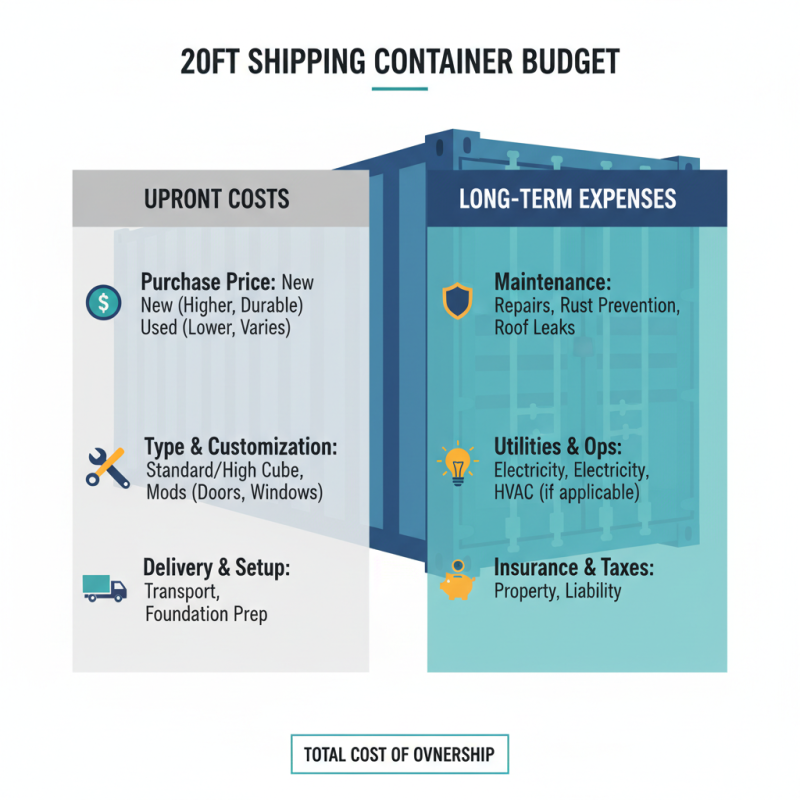
When budgeting for a 20ft shipping container, it's crucial to factor in both the upfront costs and the long-term expenses associated with its use. Initially, prices can vary based on condition (new or used), type (standard or high cube), and additional customization options. New containers typically come with higher price tags but offer added durability and warranty, whereas used containers can significantly reduce initial costs if they meet your shipping requirements.
Beyond the purchase price, consider additional costs such as delivery fees, modifications, and maintenance. Delivery costs can fluctuate based on your location and the container's condition, impacting your overall budget. If custom features are necessary—like insulation or ventilation—these alterations can add up quickly. Also, remember to factor in potential ongoing maintenance, especially if the container is exposed to harsh conditions. By taking a comprehensive look at these financial factors, you can make a more informed decision that aligns with your shipping needs and budget constraints.