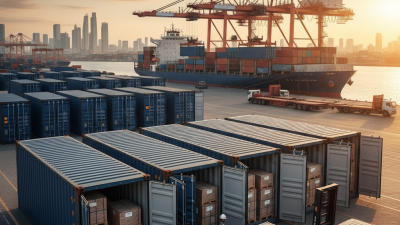
Why Choose a 20 ft Shipping Container for Your Storage Needs?
When considering storage options, the 20 ft shipping container stands out for various reasons. Its size is manageable, making it perfect for both residential and commercial spaces. With a volume of approximately 1,172 cubic feet, it offers substantial storage capacity without overwhelming the user. For individuals or businesses needing extra space, this container model can be a great fit.
The durability of a 20 ft shipping container should not be overlooked. Constructed from steel, it can withstand harsh weather conditions. This makes it a reliable choice for long-term storage. However, it's important to remember that moisture can be an issue. Proper ventilation is essential to prevent mold growth inside.
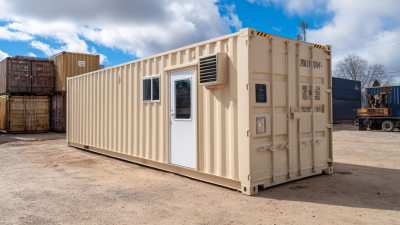
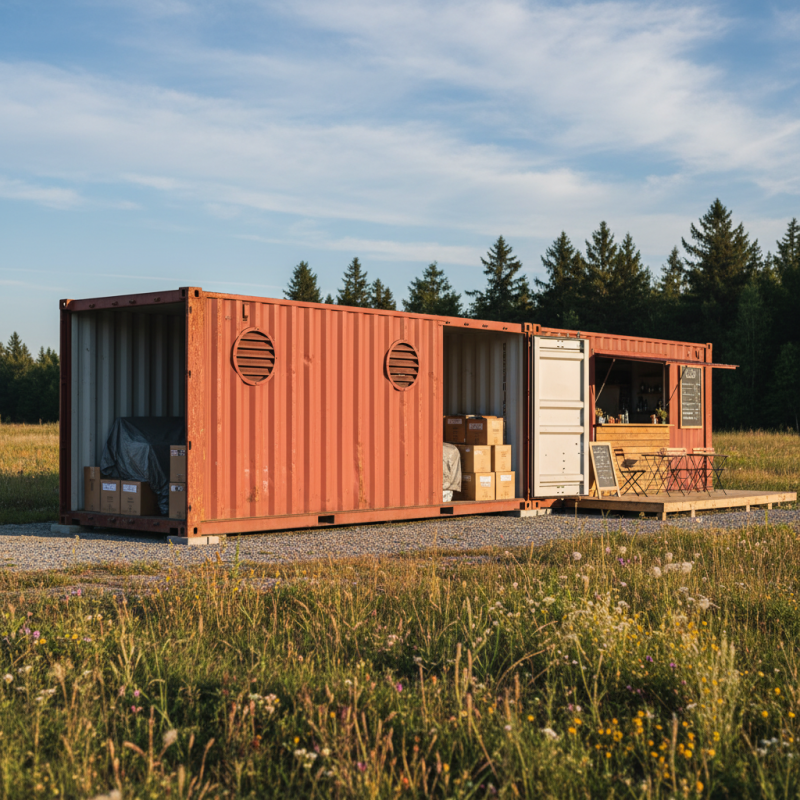
Moreover, the versatility of a 20 ft shipping container is impressive. It can serve many purposes, from traditional storage to unique solutions like pop-up shops. Yet, potential buyers should consider their specific needs. Each situation is different, and what works for one may not work for another. Exploring all options is wise before making a commitment.
Benefits of Using a 20 ft Shipping Container for Storage Solutions
When it comes to storage solutions, a 20 ft shipping container stands out. This size offers ample space for various needs. It can store furniture, tools, and seasonal items efficiently. You can easily access your belongings without feeling cramped. The metal structure also protects items from weather damage. It’s a practical option for both temporary and long-term storage.
Some users may hesitate to choose a container due to cost concerns. In truth, prices can vary. Additionally, some containers may show signs of wear. Look for rust or dents. These imperfections can lead to leaks or weaken the structure. Regular maintenance is essential. Check seals and locks periodically to ensure security.
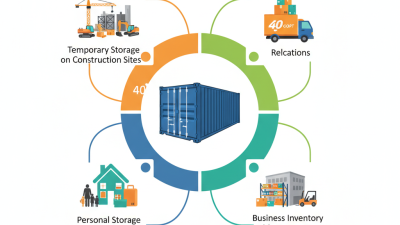
Flexibility is another significant benefit. A 20 ft container is portable. You can move it to different locations as needed. This adaptability makes it suitable for construction sites or residential use. However, it’s worth considering space limitations. Identify where to place it without blocking access. Proper planning can enhance your storage experience.
Comparative Analysis: 20 ft vs Other Shipping Container Sizes
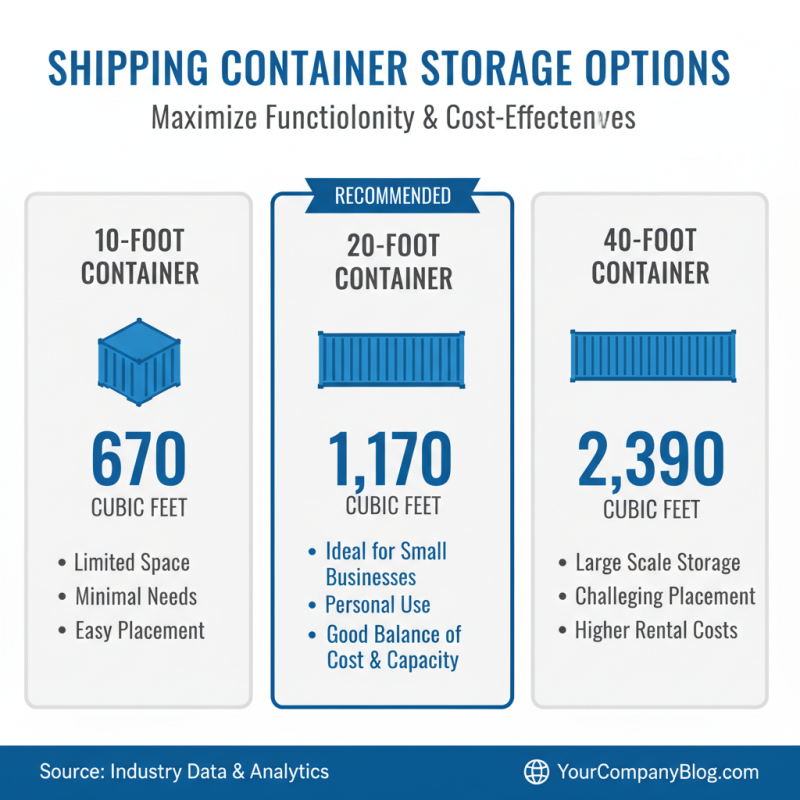
When considering storage options, the choice of container size can significantly impact functionality and cost. A 20 ft shipping container typically offers around 1,170 cubic feet of storage space. This size is often ideal for small businesses or personal use, balancing ability and cost. In contrast, a 10 ft container provides a mere 670 cubic feet, which may be too limited for many needs. A 40 ft container, while larger with 2,390 cubic feet, can present challenges with space for placement and higher rental costs.
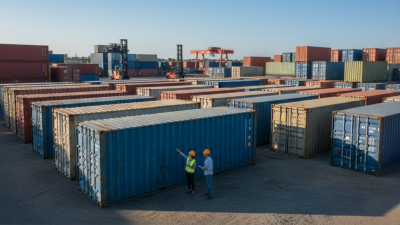
A recent study from the Container Shipping Industry revealed that 20 ft containers account for over 50% of shipping container usage worldwide. This suggests versatility. They can fit into tighter spaces. Smaller courtyard areas or urban locations often accommodate them more easily. However, while they are popular, selecting the right size depends on specific requirements. For instance, if you find your storage needs growing continuously, you may end up struggling with a 20 ft container's limits.
On the other hand, larger containers like the 40 ft option may require a sizable footprint. This could lead to inefficiencies for small-scale operations or residences. Thus, weighing immediate needs against future growth potential is crucial. Each container size has its benefits and drawbacks. Recognizing these can help avoid costly missteps in storage choices.
Cost-Effectiveness of a 20 ft Shipping Container for Long-Term Storage
A 20 ft shipping container is an ideal solution for long-term storage needs. It's cost-effective and efficient. Many people underestimate the space it offers. This container can hold roughly 1,170 cubic feet of goods. This capacity allows storage of furniture, equipment, or seasonal items. With proper organization, you can maximize the available space.
Cost-effectiveness is a major factor. Buying or renting a shipping container is often cheaper than traditional storage units. Over time, the savings add up significantly. Maintenance is minimal, and the durability of the container protects your belongings. Yet, one must consider the initial investment. It may seem high at first, but it pays off in the long run.
One downside to consider is the possibility of corrosion. Containers exposed to harsh weather can deteriorate over time. Regular checks and proper ventilation are essential. Additionally, accessibility can be an issue. If the container is stored at a distance, it may require planning for easy retrieval of items. Weighing these factors is crucial when choosing storage solutions.
Cost-Effectiveness of a 20 ft Shipping Container for Long-Term Storage
Durability and Weather Resistance of 20 ft Shipping Containers
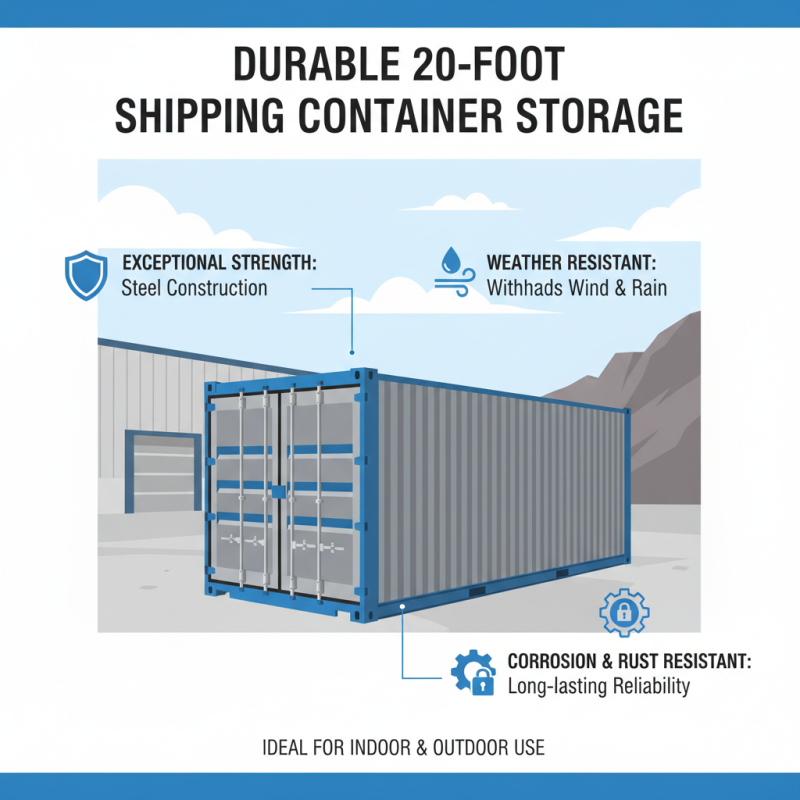
When considering storage solutions, durability is a key factor. A 20 ft shipping container offers exceptional strength. Made from steel, these containers can withstand harsh conditions. They resist rust and corrosion well. Heavy winds and rain won't easily damage them. This reliability makes them ideal for both indoor and outdoor use.
Weather resistance is another major benefit. A well-sealed container can keep contents dry. Even in damp climates, moisture builds up minimally inside. It's crucial to ensure that all seals are intact. Small gaps can lead to potential leakage. Addressing this is important for keeping your items safe.
Additionally, shipping containers are designed for transport. They endure tough conditions while at sea. This toughness translates well to storage needs. However, it’s important to remember that placement matters. Choosing the right location minimizes risks from the elements, enhancing both durability and weather resistance.
Versatile Uses: Creative Applications for 20 ft Shipping Containers
When it comes to versatile storage solutions, a 20 ft shipping container shines. These containers are ideal for various applications. From portable offices to garden sheds, creativity knows no bounds. According to a recent report by the Container Owners Association, the demand for shipping containers has increased by 20% over the last five years. This rise highlights their growing importance in various industries.
One popular use is as mobile workshops. Tradespeople find 20 ft containers useful for tool and equipment storage. Easy access keeps everything organized. However, stacking containers for this purpose can be tricky. Ensuring stability is vital. Miscalculating weight can lead to safety hazards. Consider reinforcing your setup.
Another creative application is for pop-up retail shops. They can be customized for branding and visuals. Studies show that 70% of consumers are attracted to unique shopping experiences. However, zoning laws can complicate installation. Check local regulations before diving in.
Tips: Use proper insulation to control temperature. It can save money on energy. Also, think about ventilation to prevent moisture build-up. Lastly, always consult experts during modifications for safety.
Why Choose a 20 ft Shipping Container for Your Storage Needs?
| Dimension |
Weight Capacity |
Typical Uses |
Advantages |
Estimated Cost |
| 20 ft x 8 ft x 8.5 ft |
Approximately 22,000 lbs (10,000 kg) |
Storage, Office Space, Workshop, Pop-Up Retail |
Durable, Weather Resistant, Cost-Effective, Portable |
$2,000 - $5,000 |
| 20 ft x 8 ft x 9.6 ft (High Cube) |
Approximately 22,000 lbs (10,000 kg) |
Storage, Tiny Home, Mobile Office, Event Space |
Increased Height, Customizable, Sustainable |
$2,500 - $5,500 |
| 20 ft Refrigerated Container |
Approximately 45,000 lbs (20,000 kg) |
Food Storage, Pharmaceuticals, Perishables |
Temperature Control, Insulated, Security |
$3,000 - $7,000 |