Global buyers are reassessing every gate valve in their supply chain. Reliability now matters as much as purchase price.
Grand View Research estimates that the global industrial valves market reached approximately USD 78 billion in 2023. Its report also projects steady growth through 2030. Mordor Intelligence identifies oil and gas, water treatment, power generation, and chemical processing as major demand areas. These figures reveal a practical reality: buyers need qualified manufacturers, not simply large catalogs.
A gate valve may look simple on a factory floor. Inside, the wedge, stem, seat, and body must work together under pressure. A poorly finished sealing surface can cause leakage, downtime, or expensive maintenance. Greg Johnson, a recognized valve-industry specialist and United Valve executive, has often stressed, “The right valve is the one that performs reliably in the actual service.” That principle deserves attention.
This guide examines China’s top 10 gate valve manufacturers for global buyers. It considers manufacturing experience, material traceability, pressure testing, export capability, certifications, and after-sales support. Standards such as API 600, API 6D, ASME B16.34, and ISO 9001 provide useful reference points. They do not replace independent verification.
Some rankings remain subjective. Supplier websites can also present incomplete information. Buyers should request test reports, inspection records, reference projects, and clear warranty terms. A polished brochure is not proof. Neither is the lowest quotation.
The strongest manufacturers usually combine machining control with practical engineering support. That combination can protect a pipeline long after the purchase order is forgotten.
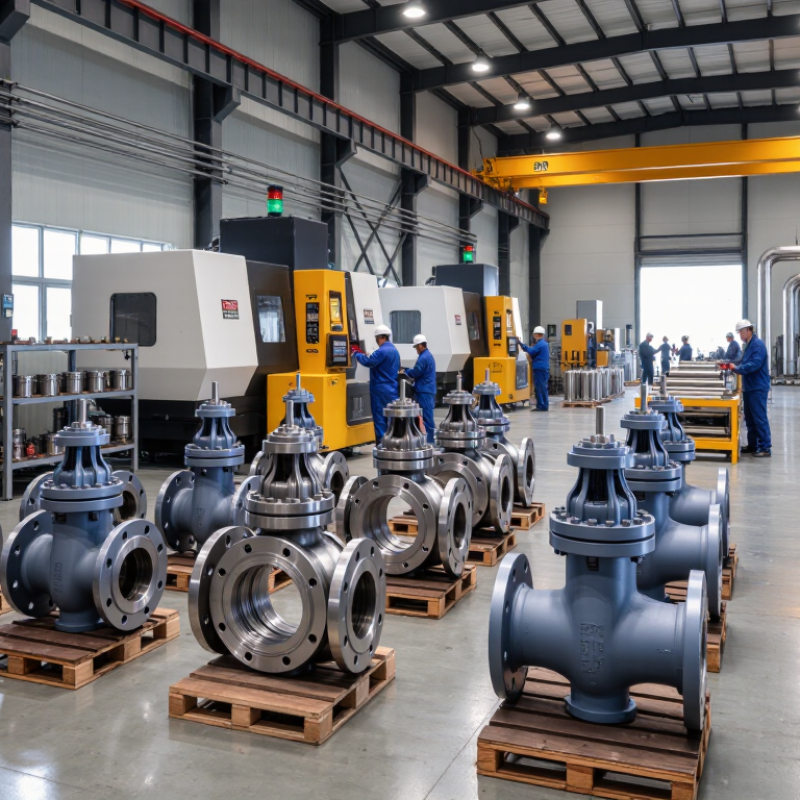
China’s gate valve industry has moved beyond low-cost production. It now supports oil pipelines, power stations, water networks, mining, and chemical processing. The UN Comtrade database places China among the leading exporters of HS 8481 valves and related flow-control equipment. Fortune Business Insights estimates the global industrial valve market reached about USD 74 billion in 2023, with Asia-Pacific holding the largest regional share.
For global buyers, China’s manufacturing role is practical and extensive. Established industrial zones combine casting, forging, machining, pressure testing, and surface treatment within short supply chains. A qualified factory should provide API 6D, API 600, ISO 5208, or equivalent test evidence, depending on the application. During supplier audits, buyers should inspect material certificates, traceability records, hydrostatic test benches, and actual packing conditions. A polished website proves little.
The top ten candidates should not be ranked by export volume alone. Technical depth, delivery consistency, engineering support, and failure records matter more than a low quotation. Some manufacturers offer strong customization but weaker documentation. Others deliver reliable standard valves but limited project engineering. That distinction is easy to miss. The International Trade Centre’s trade data also shows that valve exports cover many product categories, so HS-code comparisons can distort performance. Buyers need drawings, pressure classes, seat materials, temperature ranges, and service media before comparing manufacturers. One uncomfortable lesson remains: a cheaper gate valve may create higher lifecycle costs through leakage, maintenance, or delayed commissioning.

For global buyers, evaluating Chinese gate valve manufacturers requires more than comparing quotations. Grand View Research estimates the global industrial valves market at about USD 78 billion in 2023. That scale increases buyer choice, but also increases quality differences. Check whether the manufacturer follows ISO 9001 and relevant valve standards. Request material certificates, pressure-test records, and serial-number traceability. A clear audit trail matters more than a polished catalog.
Inspect production experience through measurable evidence. Ask about casting control, machining tolerances, seat leakage tests, and hydrostatic testing. API 598 and ISO 5208 provide useful testing references, depending on the application. Review sample reports, not only certificates. For critical pipelines, confirm pressure class, body material, bonnet design, stem protection, and temperature limits. A gate valve that looks robust may still fail after repeated cycling.
Export reliability also deserves careful measurement. The World Bank’s 2023 Logistics Performance Index gave China a score of 3.7, ranking it 19th globally. That supports strong logistics capacity, but it does not guarantee every supplier performs equally. Compare lead-time records, packaging methods, spare-part availability, and response times after delivery. Visit the factory when possible, or use an independent inspection service. A low price can still be a warning. I would not treat a complete website as proof of technical competence. Even experienced buyers sometimes overlook coating thickness and replacement-part compatibility.
China remains a major sourcing base for industrial gate valves. Grand View Research valued the global industrial valves market at approximately US$77 billion in 2023. MarketsandMarkets also expects steady growth through 2028. These figures show strong demand, but market size alone cannot prove supplier quality.
For international buyers, a top-ten shortlist should examine more than price. Check casting records, pressure-test reports, material certificates, and production traceability. Reliable manufacturers should support standards such as API 600, ASME B16.34, ISO 5208, or EN 1984. Ask for evidence, not promises.
Valve size, pressure class, seat design, and operating temperature must match the project. A cheaper quotation may hide longer lead times or weak documentation. That mistake is common. Supplier audits should review machining accuracy, coating control, warehouse protection, and final inspection procedures. Video audits help, but they are not perfect.
Tips: Request one sample order before signing a large contract. Compare test documents with the actual nameplate and packing list. Confirm spare parts, warranty limits, export packaging, and communication response times. Industry reports provide useful direction, yet their market estimates differ. Buyers should verify every technical claim through drawings, certificates, and witnessed testing.
China’s top gate valve manufacturers for global buyers should be judged by standards, not catalog appearance. A reliable supplier can match valve design with applicable requirements such as API 600, ASME B16.34, EN 1984, or project-specific specifications. Material certificates should show heat numbers, grade, and chemical results. Traceability matters.
Quality control must cover every production stage. Inspectors should review casting quality, machining dimensions, welding procedures, and pressure-test records. Hydrostatic shell testing and seat leakage testing should follow recognized methods, such as ISO 5208 or EN 12266. Critical parts may require positive material identification, hardness checks, and non-destructive examination. Calibration records for gauges and test equipment should remain current. Small details often reveal large weaknesses.
Tips: Ask for sample inspection reports before placing an order. Verify certificate numbers with the issuing body when possible. Request photos of nameplates, test benches, packing, and markings. A factory audit can expose gaps that documents hide. Do not treat ISO 9001 certification as automatic proof of valve performance. It confirms a management system, not perfect products.
Experienced buyers should also confirm applicable pressure classes, temperature limits, end connections, coatings, and documentation language. Witness inspection may be useful for critical projects. Still, inspections can miss problems. Clear acceptance criteria and independent testing reduce that risk. One uncomfortable question remains: does the supplier control quality consistently, or only prepare well for audits?
China Top 10 Gate Valve Manufacturers for Global Buyers?
Selecting among China’s top gate valve manufacturers requires more than comparing catalog prices. Grand View Research valued the global industrial valve market at over USD 70 billion in 2023. Demand is broad, but specifications vary sharply by application. Define pressure class, temperature range, body material, trim, end connection, and applicable standards before requesting quotations. Ask for evidence.
A credible supplier should provide drawings, material certificates, pressure-test records, and serial-number traceability. ISO 5208 offers recognized leakage-testing procedures, while API 600 and ASME B16.34 may apply to specific industrial designs. Do not treat a certificate as automatic proof of product quality. Factory audits should examine machining accuracy, calibration records, welding controls, and final inspection areas. A clean showroom can still hide weak documentation.
Use a shortlist of ten manufacturers, then compare identical technical requirements. Review production capacity, mold ownership, minimum order quantities, spare-parts support, and response time. UN Comtrade data places China among the leading exporters under HS 8481, yet export scale does not guarantee consistent performance. The World Bank’s 2023 Logistics Performance Index ranked China 19th globally, showing strong logistics capability, though delays can still occur. Include inspection points, acceptance criteria, packing details, and warranty terms in the purchase contract. I would also request a sample or witnessed factory test before a large order. This costs time. It can prevent a far more expensive mistake.
Pressure ratings are shown as nominal reference values used in international procurement. PN ratings follow EN standards, while Class ratings follow ASME pressure-class conventions. Actual allowable pressure depends on valve material, temperature, design standard, and pressure-temperature tables. Buyers should request applicable standards, material certificates, pressure-test records, and dimensional documentation from Chinese suppliers before placing an order.