China Top Rotational Molded Parts Supplier for Global Buyers?
As the global demand for high-quality Rotational Molded Parts increases, China emerges as a leading supplier. The country's advanced manufacturing techniques and skilled workforce play a crucial role. Buyers from various industries seek out these parts for their durability and cost-effectiveness.
China's competitive edge lies in its ability to produce custom Rotational Molded Parts quickly. However, the quality can vary significantly among suppliers. Businesses must perform due diligence when selecting their partners. Trustworthy suppliers often have certifications and proven track records.
While the opportunities are vast, challenges persist. Language barriers and cultural differences may complicate communication. Understanding these nuances is essential for successful transactions. Buyers should always ask questions and seek clarity. This approach fosters stronger partnerships and leads to better outcomes in the long run.
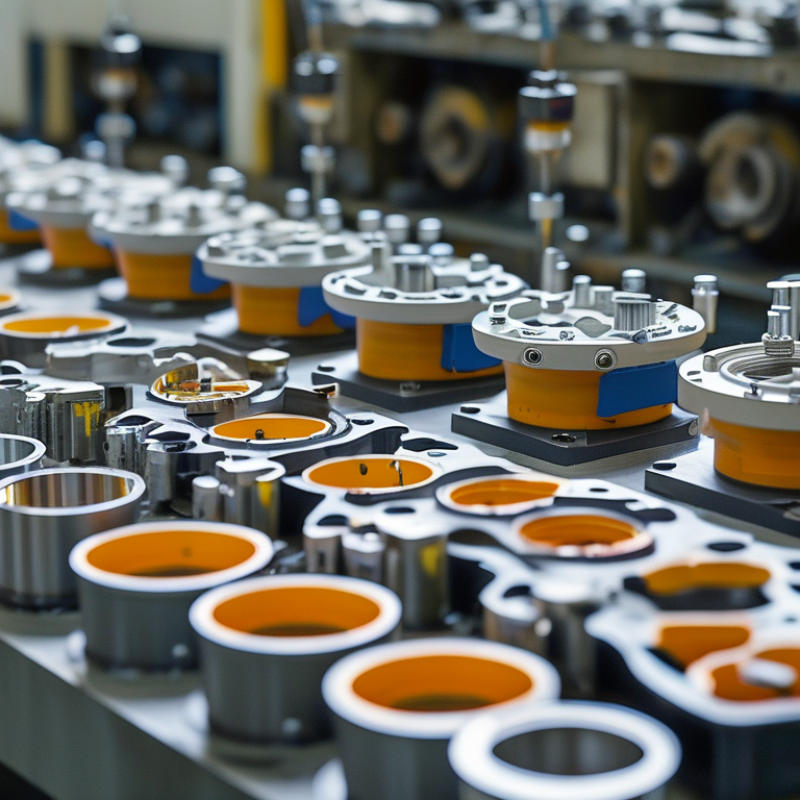
Overview of Rotational Molding and Its Applications in Manufacturing
Rotational molding, a manufacturing process that creates hollow plastic products, has gained significant traction in recent years. It allows manufacturers to produce complex shapes with a uniform wall thickness. This method is particularly valuable in industries such as automotive, aerospace, and consumer goods. According to a recent report by MarketsandMarkets, the global rotational molding market is expected to reach $6.3 billion by 2026, growing at a compound annual growth rate (CAGR) of 3.5% from 2021. This notable growth highlights the increasing adoption of this efficient manufacturing technique.
Rotational molding offers several advantages over traditional methods. It requires lower capital investment and produces less scrap material. Additionally, the process can accommodate various types of thermoplastics, which enhances material flexibility. Despite these benefits, some challenges exist. Production time can be longer compared to other methods, as it involves multiple heating and cooling cycles. This might lead to longer lead times, which could frustrate clients with urgent needs.
In addition, quality control is crucial but often overlooked. Inconsistent heating can lead to defects in the final product. Buyers seeking rotational molded parts should consider suppliers with robust quality assurance processes. The choice of supplier directly impacts product reliability and overall satisfaction. Prioritizing quality is essential for maintaining competitiveness in today's market.
Historical Development of Rotational Molding in China
China’s journey in rotational molding began in the late 20th century. Manufacturers initially used simple techniques to produce basic plastic parts. With time, technology advanced significantly. By the early 2000s, China emerged as a key player in the global market. Factories adopted modern machinery and embraced innovative processes. This shift drew international attention, becoming a hub for quality rotational molded parts.
In recent years, the industry faced challenges. Competition increased worldwide, pushing Chinese suppliers to improve. Many focused on sustainability and efficiency. Despite the progress, issues such as quality control persist. Some manufacturers struggle to meet international standards consistently. However, this has led to a stronger emphasis on training and development. The industry is continually evolving, striving for excellence in every aspect.
Historical Development of Rotational Molding in China
Key Players in China's Rotational Molded Parts Industry
The rotational molded parts industry in China is gaining traction among global buyers. This sector plays a crucial role in various applications, from automotive to consumer goods. According to a recent market report, the global demand for rotationally molded products is projected to reach $30 billion by 2025. China, with its extensive manufacturing capabilities, is positioned as a key supplier in this growing market.
Key players in China's rotational molded parts industry include companies focusing on innovation and sustainability. They are adapting to the pressing demand for eco-friendly materials. However, challenges remain, such as fluctuating raw material costs and the need for skilled labor. The reliance on traditional manufacturing approaches may hinder progress, and companies must invest in technology and training.
Tips: Buyers should assess the supplier's experience and production capacity. Conducting due diligence is essential for ensuring quality and reliability. Establishing strong communications can foster better partnerships. Understanding the complexities of the market can lead to better sourcing decisions. The rotational molding process can offer unique advantages, but it requires careful consideration of material selection and design.
Quality Standards and Certifications for Rotational Molded Products
When sourcing rotational molded parts, quality assurance is paramount. Buyers need to pay close attention to the standards and certifications that ensure product reliability. Many manufacturers follow ISO 9001, a certification that reflects a commitment to quality management systems. This standard guarantees consistent quality in products and services.
Another important certification to consider is ASTM. This organization defines the specifications for various materials used in rotational molding. Compliance with these standards demonstrates a supplier's expertise and authority in manufacturing processes. It also indicates their commitment to safety and environmental regulations.
While many suppliers strive for high standards, inconsistencies can arise. Some manufacturers may fall short in meeting specific quality criteria. This potential gap highlights the need for buyers to conduct thorough research. Always ask for documentation and proof of certifications. Understanding these aspects ensures a more reliable supply chain.
Global Market Trends and Demand for Rotational Molded Parts from China
China's rotational molded parts industry is witnessing a significant surge in global demand. According to a recent report by MarketsandMarkets, the global rotational molding market is forecasted to reach approximately $8 billion by 2025. This growth is primarily driven by the demand in industries like automotive, consumer goods, and industrial applications. Buyers are increasingly looking towards China, given its ability to produce quality parts at competitive prices.
The unique advantages of rotational molding include the production of complex shapes and lightweight components. These features have made rotational molded parts essential for many applications. However, it’s worth noting that not all suppliers maintain the same level of quality or production efficiency. The variance can impact lead times and reliability for global buyers. Reports indicate that quality control processes vary greatly among manufacturers, creating potential risks for procurement decisions.
As Chinese suppliers continue to expand their capabilities, the market is also noticing some challenges. Environmental regulations are tightening, forcing manufacturers to innovate in sustainable practices. Buyers should stay informed and conduct thorough research to identify reputable suppliers. Transparency in production processes will be a key factor in successful sourcing.