Top Tips for Buying Second Hand Shipping Containers for Your Next Project
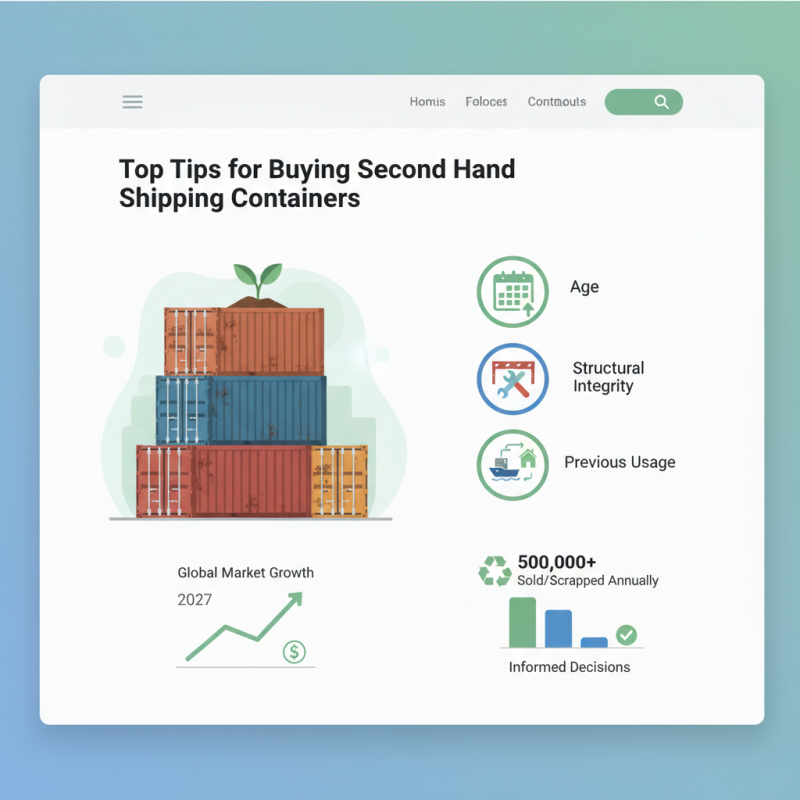
The growing demand for sustainable and cost-effective building solutions has led many industries to consider second hand shipping containers as a viable alternative for various projects. According to recent industry reports, the global shipping container market is projected to reach $9.5 billion by 2027, with a significant portion attributed to the rise in interest for used containers. These versatile structures provide an opportunity to reduce waste while offering durable and flexible options for both commercial and residential developments.
When sourcing second hand shipping containers, it is essential to understand the various aspects that contribute to their quality and usability. Factors such as the container's age, structural integrity, and previous usage can significantly influence its suitability for repurposing. Furthermore, data from the Container Owners Association highlights that over 500,000 shipping containers are sold or scrapped each year, indicating a thriving market for selecting reliable second hand options. As potential buyers navigate this burgeoning landscape, they can leverage these insights to make informed decisions that align with their project's objectives, ensuring both functionality and sustainability are achieved.
Understanding the Benefits of Second Hand Shipping Containers
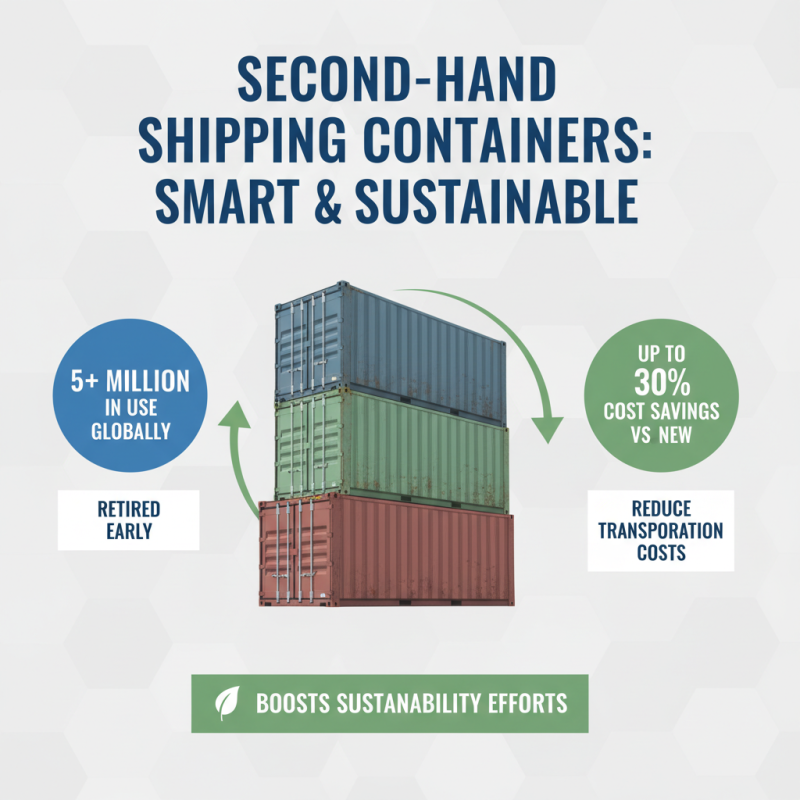
Second-hand shipping containers offer a myriad of benefits, making them an increasingly popular choice for various projects. According to a report by the International Organization for Standardization, there are over 5 million shipping containers in use around the world, and many of these containers are retired from shipping service long before they reach the end of their usable life. By repurposing these containers, businesses and individuals can contribute to sustainability efforts while also reducing transportation costs significantly. It's estimated that using second-hand containers can save up to 30% compared to purchasing new ones.
In addition to cost savings, second-hand shipping containers provide robustness and durability. These containers are built from corten steel to withstand the rigors of shipping and travel, making them incredibly resilient for conversion into homes, offices, or storage solutions. A study from the Container Owners Association indicates that recycled shipping containers have become a favored choice in construction, with a growing trend towards modular buildings that utilize these used containers as building blocks. Their versatility means they can be customized easily, catering to a wide range of design preferences without compromising structural integrity. Overall, the use of second-hand shipping containers stands as a testament to sustainable practices and innovation within the construction and design industries.
Identifying Your Project Requirements Before Purchase
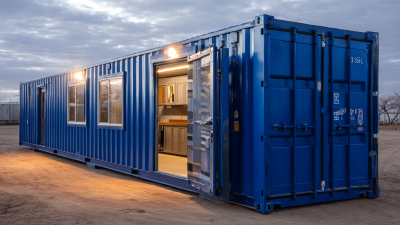
Before purchasing a second-hand shipping container, it’s essential to clearly identify your project requirements. This involves understanding the purpose of the container and the specific features you will need. For example, if you plan to use the container as a storage unit, factors such as size, thickness, and condition play crucial roles. Alternatively, if you’re converting the container into a workspace or living space, you might need to focus on insulation, ventilation, and potential modifications like windows and doors.
Additionally, consider the environment where the container will be placed. Assess whether it will be exposed to harsh weather conditions or if it will be located on uneven ground, as this might require specific structural qualities or modifications. Understanding these needs will help you avoid overspending on unnecessary features while ensuring the container meets your requirements. By taking the time to outline your project specifications in advance, you can make a more informed decision that aligns with both your vision and budget.
Top Tips for Buying Second Hand Shipping Containers for Your Next Project - Identifying Your Project Requirements Before Purchase
| Requirement |
Considerations |
Potential Costs |
Condition |
| Size & Dimensions |
Determine the required size based on the project needs (e.g., standard 20ft or 40ft containers). |
$1,500 - $3,000 |
Ensure structural integrity, surface conditions, and intended use. |
| Purpose & Use |
Specify whether for storage, modification, or transport purposes. |
$200 - $500 (modification costs may vary) |
Check for rust, leaks, and wear. |
| Location & Delivery |
Factor in the location of the container and delivery costs to the site. |
$300 - $1,000 (depending on distance) |
Ensure accessibility for delivery trucks. |
| Modification Needs |
Decide if alterations such as windows or doors are required. |
$1,000 - $5,000 (depending on modifications) |
Assess if the container can support modifications. |
| Regulations & Permits |
Research local zoning laws and building codes concerning container use. |
Varies, possible permit fees up to $500 |
Confirm compliance with regulations. |
Evaluating the Condition and Quality of Used Containers
When considering the purchase of second-hand shipping containers, evaluating their condition and quality is paramount to ensuring they meet project needs. According to the Container Owners Association, around 80% of shipping containers worldwide are reused, but their condition can vary greatly. A thorough inspection should focus on the structural integrity and any signs of deterioration such as rust, dents, or leaks. Notably, containers manufactured from Corten steel possess enhanced corrosion resistance, making them preferable for various applications.

Furthermore, the International Maritime Organization (IMO) suggests that containers can last up to 30 years if properly maintained, which highlights the potential longevity of a well-chosen used container. It's essential to check for previous usage and maintenance records, as these can provide insight into the container's reliability.
Additionally, potential buyers should be aware of the specific requirements for their projects, such as insulation and moisture resistance, which may influence the choice between different types of containers. Conducting a detailed assessment, possibly with the assistance of industry professionals, will ensure that the investment aligns with the project's quality standards.
Finding Reputable Sellers and Sources for Second Hand Containers
When searching for second-hand shipping containers, the first step is to
identify reputable sellers and sources. Start by researching local
dealers who specialize in used shipping containers. Utilize online platforms and marketplaces that focus on container
sales, but ensure that they have positive customer reviews and ratings. Engaging with community forums can also
provide insights into trustworthy sellers based on personal experiences from
others who have purchased containers.
When you have identified potential sellers, it’s crucial to
inspect the container thoroughly before making a purchase.
Check for signs of damage, rust, or structural issues that might affect the durability and functionality of the container.
Ask for detailed photographs and information about the container’s history, such as previous usage and how well it
has been maintained.
Additionally, consider getting a professional inspection if possible, to ensure you are making a sound investment.
Negotiating the price is also a part of the process; conducting research on
the market rates can help you secure the best deal. Remember, while price is important, the condition and reliability
of the seller should take precedence in your
decision-making process.
Navigating Legal and Regulatory Considerations for Container Use
When considering the purchase of second-hand shipping containers, it is crucial to be aware of the legal and regulatory implications that may affect their use. Shipping containers are not just stacks of steel; they are subject to various building codes and zoning regulations that can vary significantly by location. Before making a purchase, prospective buyers should thoroughly research local regulations, including permits required for installation, potential zoning restrictions on where the containers can be placed, and any specific requirements for modifications or usage.
Furthermore, it's essential to ensure that the shipping containers comply with safety standards. Some jurisdictions may require inspections to verify that the containers are structurally sound and safe for their intended use. Buyers should also be aware of environmental regulations that might apply, especially if the containers are to be used for residential purposes, commercial storage, or as a workspace. Understanding these legal facets can help streamline the project, mitigate potential fines, and ensure that the use of shipping containers aligns with residential and commercial guidelines.