In the world of logistics and storage solutions, the versatility of a 40 ft container cannot be overstated. These robust shipping containers have become a staple in both the transport and storage industries, offering efficient space management and diverse application options. From facilitating international shipping to providing secure storage for goods, the 40 ft container has proven its worth as a reliable solution for businesses and individuals alike.
One of the primary advantages of utilizing a 40 ft container is its capacity. With ample space, it can accommodate large quantities of products, making it an ideal choice for companies that require efficient inventory management. Additionally, the strong and durable structure of the container offers excellent protection against environmental elements, ensuring that goods remain safe during transit or storage. Beyond commercial use, these containers are also increasingly popular for personal applications, such as DIY projects or temporary storage solutions.
As we explore the best uses for a 40 ft container in both shipping and storage contexts, we will uncover innovative ways to leverage this versatile asset. Whether utilized for transporting goods across borders or serving as a secure site for personal belongings, the 40 ft container stands out as a key player in modern logistics and efficient storage strategies.
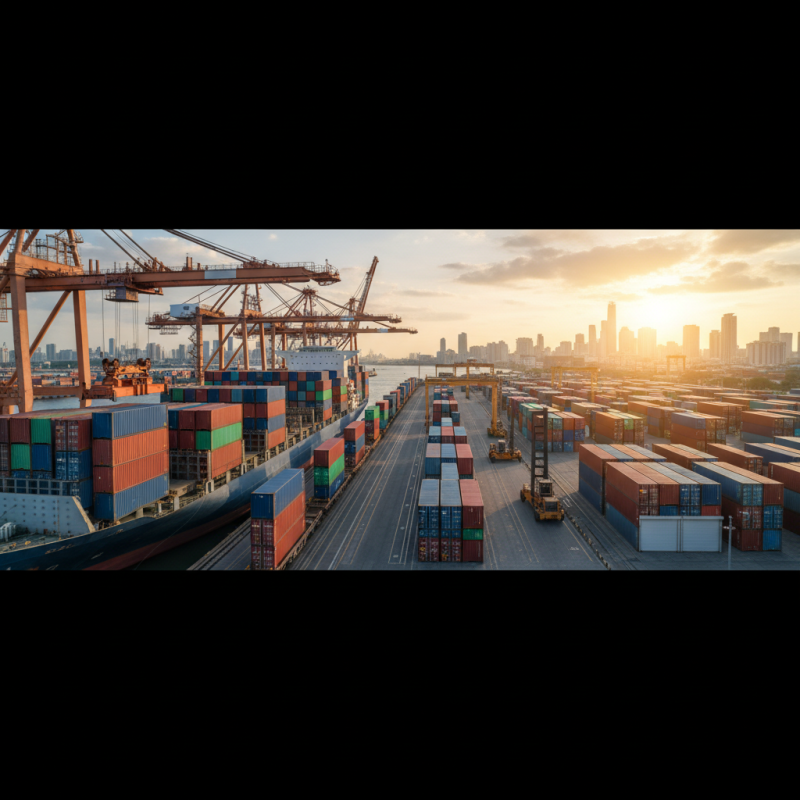
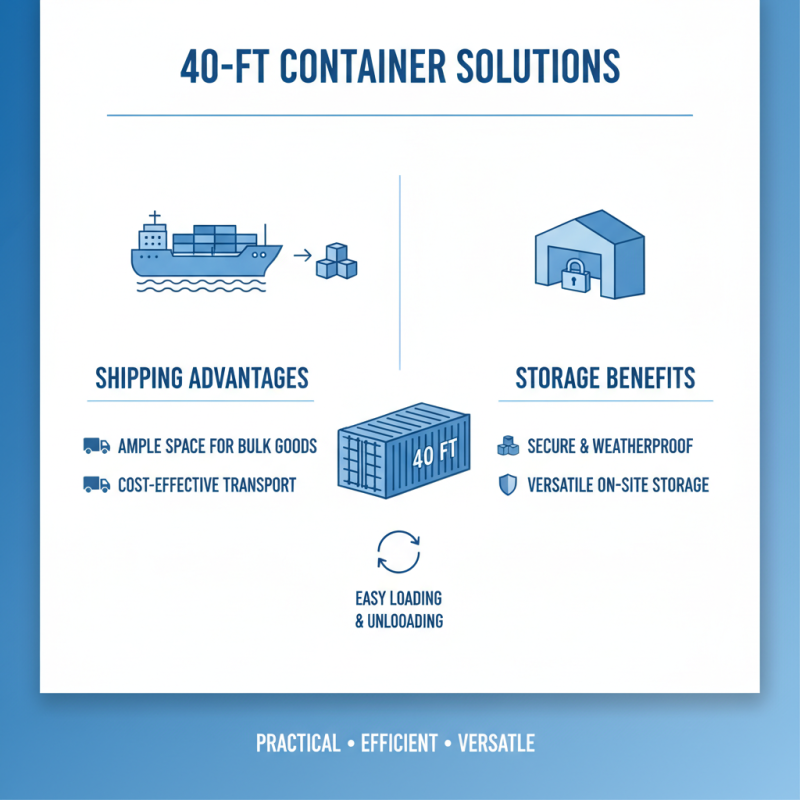
A 40 ft container is an excellent solution for both shipping and storage purposes, offering a practical and versatile option for a variety of needs. One of the primary advantages of using a 40 ft container for shipping is its ample space, allowing businesses to transport a significant amount of goods efficiently. This capacity is particularly beneficial for companies engaged in bulk shipping, enabling them to reduce transportation costs by maximizing the load while minimizing the number of trips needed. Additionally, the standardized dimensions of the container make it easier to load and unpack, facilitating smoother logistics.
In terms of storage solutions, a 40 ft container provides a secure and weather-resistant environment for safeguarding valuable items. Businesses can utilize these containers as temporary storage on job sites or for long-term storage of excess inventory. Their robust construction not only protects contents from theft and vandalism but also shields against environmental elements. As a result, individuals and businesses alike can enjoy peace of mind knowing their items are safe, whether they are furnishings, equipment, or seasonal goods. The flexibility and durability of a 40 ft container make it an ideal choice for anyone seeking efficient shipping and dependable storage solutions.

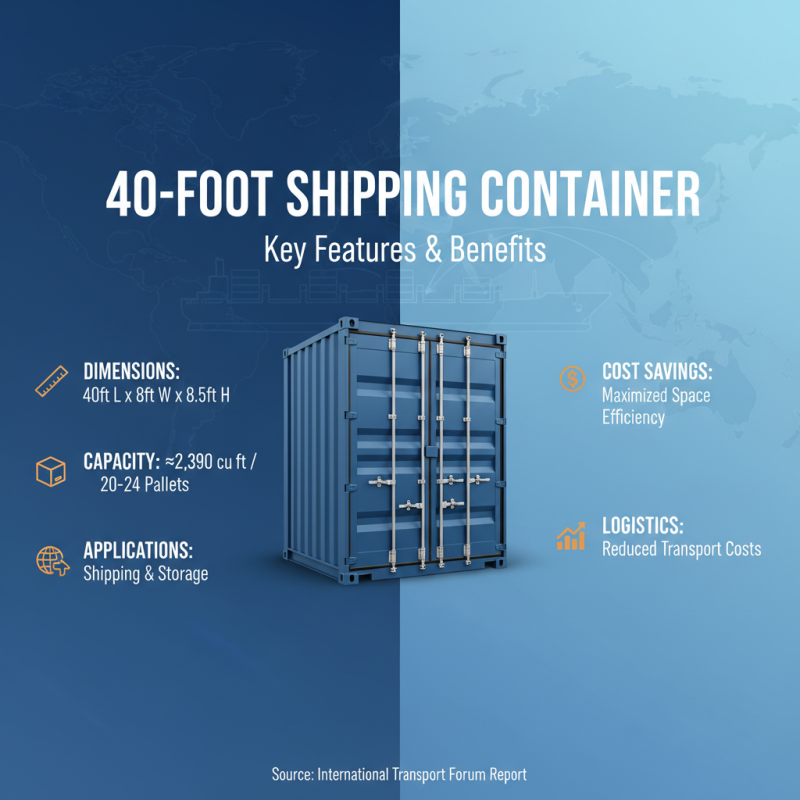
A 40 ft shipping container is a popular choice for both shipping and storage applications due to its size and capacity. With a standard length of 40 feet, a width of 8 feet, and a height of 8.5 feet, it provides a total internal volume of approximately 2,390 cubic feet. This space is substantial enough to accommodate the cargo equivalent of 20 to 24 standard pallets, making it highly efficient for transporting a variety of goods. According to a report from the International Transport Forum, utilizing a container of this size can result in significant cost savings in shipping logistics, as it maximizes the use of space and minimizes transportation costs.
In terms of storage solutions, a 40 ft container can hold approximately 28,000 pounds of cargo, depending on the nature of the items being stored. This capacity is suited for businesses that require flexible inventory solutions, allowing them to store items securely on-site or for temporary storage during relocation. The durability of steel containers also means they are weather-resistant, protecting goods from the elements and providing an effective solution for outdoor storage needs. The versatility of a 40 ft container is further highlighted by its adaptability for various sectors, including construction, retail, and manufacturing, as noted in industry analyses conducted by the Container Owners Association.
When it comes to logistics, a 40 ft container serves as a versatile solution for various shipping applications. One of the most common uses is for transporting large volumes of goods across international borders. Due to its spacious design, it can accommodate bulk items, making it ideal for industries like manufacturing and retail. Businesses can efficiently ship pallets of products, raw materials, or even machinery, ensuring that their supply chains remain uninterrupted.
Additionally, 40 ft containers are often employed as secure storage units in both urban and remote locations. Their robust construction and weatherproof features make them suitable for safeguarding inventory, equipment, or seasonal goods. Many companies find that utilizing these containers for warehousing simplifies inventory management, allowing them to store excess products without the need for permanent warehouse space. This adaptability in both shipping and storage not only helps reduce costs but also enhances operational efficiency for logistics providers.
Utilizing 40 ft containers for on-site storage solutions offers a versatile and efficient way to manage inventory, tools, and materials across various industries. These containers can serve as temporary or long-term storage solutions for construction sites, warehouses, and even residential projects. Their robust design ensures multiple layers of security and protection from weather elements, making them an ideal choice for safeguarding valuable equipment and supplies on remote or busy sites.
In addition to their sturdy structure, 40 ft containers can be customized to meet specific storage needs. They can be equipped with shelving, climate control systems, and specialized locking mechanisms to enhance organization and security. This flexibility makes them particularly beneficial for businesses looking to streamline operations without investing in permanent infrastructure. Moreover, their mobility allows for easy relocation as project needs evolve, ensuring that storage solutions can adapt alongside operational demands while maximizing efficiency in onsite logistics.
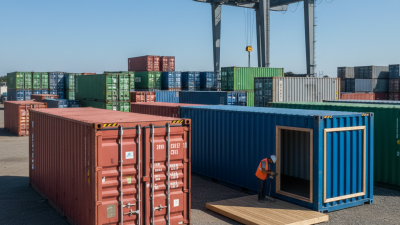
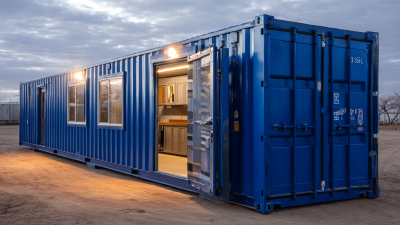
Repurposing 40 ft containers has become a popular trend across various industries, showcasing their versatility and practicality beyond mere shipping. In construction, these containers can be transformed into secure job site offices, storage units, or even modular housing solutions. Their robust structure provides a safe environment for both equipment and personnel, while their portability allows for easy relocation as projects evolve. Adding windows, insulation, and electricals can quickly convert a shipping container into an efficient workspace that meets all operational needs.
In retail and hospitality, 40 ft containers offer innovative solutions for pop-up shops or food stalls. By outfitting these containers with custom interiors, businesses can create unique customer experiences in events or popular urban locations. Their mobility not only allows for temporary setups at festivals or markets but also provides an opportunity for businesses to explore different demographics without the commitment of a permanent storefront. As more entrepreneurs tap into these container conversions, the appeal of sustainable design and efficient space utilization continues to grow, inspiring a new wave of creativity in commercial setups.
| Usage Area | Description | Benefits |
|---|---|---|
| Residential Storage | Used as an outdoor storage unit for tools, seasonal items, or furniture. | Cost-effective, secure, and weather-resistant storage solution. |
| Construction Site | Serves as a storage unit for construction materials and tools. | Enhances site organization and protects equipment from theft. |
| Pop-Up Retail | Converted into a retail space for short-term sales events. | Flexible location, unique shopping experience, and cost savings on leasing. |
| Emergency Shelter | Used as a temporary shelter in disaster-struck areas. | Quickly deployable and provides a robust structure for safety. |
| Mobile Office | Repurposed into a workspace on construction or remote job sites. | Provides necessary office space without the need for permanent infrastructure. |