Finding the China best small shipping containers for sale requires more than comparing online prices. A low quote may hide transport fees, thin steel panels, poor door alignment, or unclear coating specifications. This guide examines small shipping containers through practical buying details, not attractive catalog images.
Common options include 6-foot, 8-foot, and 10-foot units. Their compact footprints suit garden storage, workshops, construction sites, and small business inventory. Measure the delivery route carefully. A narrow gate, soft driveway, or low overhead cable can create expensive problems. Check the container’s external and internal dimensions separately. They are not identical.
Material quality deserves close attention. Ask about steel thickness, floor construction, roof condition, ventilation, locking bars, and paint layers. Request recent photos, production videos, and a complete specification sheet. A reliable supplier should explain whether the unit is new, refurbished, or cargo-worthy. Terms can vary between factories. That matters.
Inspection is still valuable. Look for water marks, rust around welds, uneven doors, and damaged corner castings. A third-party inspection may cost less than repairing a defective container after shipment. Confirm delivery terms, unloading equipment, warranty coverage, and replacement procedures in writing. Do not assume every factory follows the same standard.
The best small shipping containers are not always the cheapest ones. They should match your climate, storage purpose, access conditions, and expected service life. Some advertised features may sound impressive but offer little practical value. This guide may not remove every sourcing risk. It can, however, help buyers ask sharper questions and make a more reliable decision.
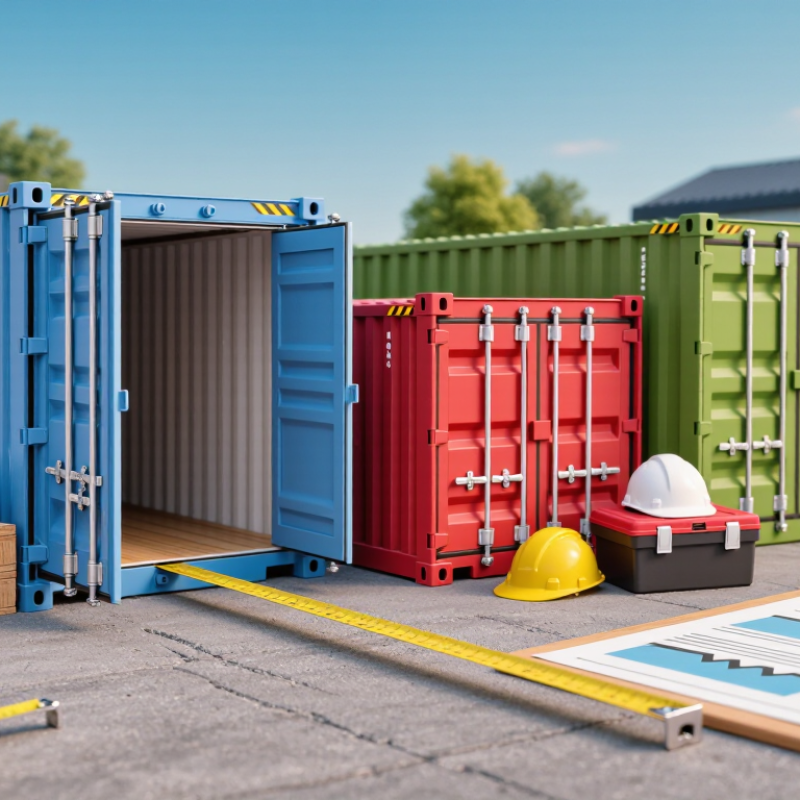
Small shipping containers are compact steel units designed for storage, transport, and practical site use. Common lengths include 6, 8, and 10 feet, making them easier to place than full-size containers. Their steel walls protect tools, seasonal equipment, furniture, and building materials from rain and dust. Some models include lockable doors, ventilation openings, lighting, or basic insulation.
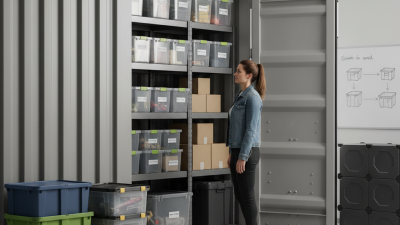
They are useful in gardens, construction sites, farms, workshops, and small commercial spaces. A contractor might store power tools inside one near a renovation project. A farm could use one for feed containers and maintenance supplies.
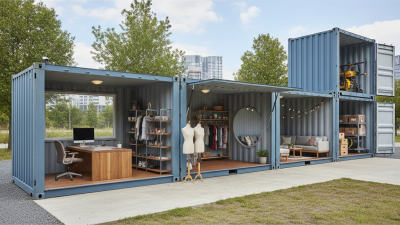
With insulation, windows, and electrical work, a unit may become a compact office or guard room. However, conversion requires careful planning. Condensation can damage stored items when airflow is poor.
Before buying a small shipping container in China, inspect welds, door alignment, floor condition, and surface corrosion. Check the steel grade and confirm the internal dimensions. A container may look clean outside but hide damp flooring or difficult doors. Ask for clear photos, inspection records, and loading details. Transport access matters too; a narrow gate or weak driveway can create unexpected costs. Local planning, electrical, and fire-safety requirements should also be checked before modification. Small containers save space, but they do not solve every site problem. A revised layout may still be necessary.
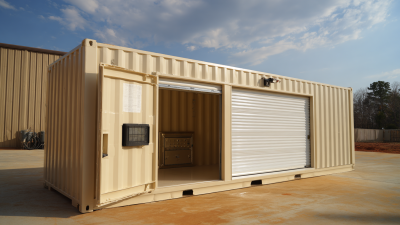
China Best Small Shipping Containers for Sale?
China offers more small shipping container sizes than many buyers expect. Compact 4-foot, 6-foot, 8-foot, and 10-foot units suit gardens, workshops, tools, and temporary storage. Standard 20-foot containers provide greater capacity while remaining widely transportable. Most units are about 8 feet wide. Standard height is 8 feet 6 inches, while high-cube models reach 9 feet 6 inches.
Available types include dry containers, side-opening units, open-top containers, flat racks, and refrigerated models. Dry containers are practical for general storage. Side-opening designs improve access when a forklift cannot reach the rear. Open-top versions help load tall machinery, but weather protection needs careful planning. Refrigerated containers require power and regular temperature checks. Small insulated units can work for temperature-sensitive goods, although their operating costs may surprise new buyers.
Quality varies between factories and specifications. Request external and internal measurements, steel thickness, floor loading, door clearance, paint layers, and weld photographs. Inspect rubber seals and locking bars closely. A low price may reflect used flooring, thin panels, or limited corrosion protection. I would also verify whether the container is suitable for international transport, not only local storage. The “best” size depends on access, delivery equipment, ground conditions, and actual contents. Measuring the site twice is sensible. Many buying mistakes begin with one rushed measurement.
| Container Size / Type | Typical External Dimensions (L × W × H) |
Typical Internal Dimensions (L × W × H) |
Approx. Internal Volume | Typical Tare Weight | Typical Payload Capacity | Main Features | Common Uses | Availability in China |
|---|---|---|---|---|---|---|---|---|
| 6 ft Mini Container Custom Small Size |
Approx. 1.8 × 2.0–2.4 × 2.2–2.6 m | Varies by fabrication design | Approx. 7–10 m³ | Approx. 500–900 kg | Usually 2,000–4,000 kg | Compact steel storage unit; dimensions are generally customized and may not be ISO-standard. | Garden storage, construction sites, tools, small warehouses, and temporary storage. | Commonly made to order; confirm lifting points, floor strength, and transport dimensions before purchase. |
| 8 ft Mini Container Custom Small Size |
Approx. 2.4 × 2.4 × 2.6 m | Approx. 2.2 × 2.3 × 2.3 m | Approx. 11–12 m³ | Approx. 800–1,300 kg | Usually 4,000–7,000 kg | Small footprint with a standard-style steel frame; exact dimensions vary among manufacturers. | Retail storage, site offices, farm equipment, workshops, and compact storage areas. | Widely available as a fabricated or modified unit, but usually not suitable for standard ocean-container handling without verification. |
| 10 ft Standard Dry Container Most Compact ISO Option |
Approx. 2.99 × 2.44 × 2.59 m | Approx. 2.83 × 2.35 × 2.39 m | Approx. 15.9 m³ | Approx. 1,300–1,500 kg | Up to approximately 8,500–9,000 kg, subject to the container rating and transport rules | Enclosed weather-resistant steel body, cargo doors at one end, plywood or steel floor, and ISO corner castings on many units. | Small cargo shipments, tools, machinery parts, warehouse overflow, and secure outdoor storage. | Available in China, although production volume is normally lower than for 20 ft and 40 ft units. |
| 10 ft High Cube Dry Container Extra Headroom |
Approx. 2.99 × 2.44 × 2.90 m | Approx. 2.83 × 2.35 × 2.70 m | Approx. 18.0 m³ | Approx. 1,500–1,800 kg | Usually approximately 8,000–9,000 kg, depending on the unit rating | Provides about 300 mm more exterior height than a standard-height unit, increasing usable vertical space. | Tall equipment, shelving systems, workshop storage, and compact modular rooms. | Available as a special-order or modified container; verify road-height restrictions and handling equipment. |
| 10 ft Open-Side Container Wide Access |
Approx. 2.99 × 2.44 × 2.59 m | Approx. 2.83 × 2.35 × 2.39 m | Approx. 15.9 m³ | Approx. 1,500–2,000 kg | Usually approximately 7,000–8,500 kg | One long side opens partially or fully, allowing easier loading of bulky or wide goods. | Oversized tools, glass, furniture, machinery components, and event equipment. | Available in China mainly through customized fabrication or modification; door configuration should be specified in the quotation. |
| 10 ft Open Top Container Top Loading |
Approx. 2.99 × 2.44 × 2.59 m | Approx. 2.83 × 2.35 × 2.39 m | Approx. 15.9 m³ | Approx. 1,400–1,700 kg | Usually approximately 8,000–9,000 kg | Removable roof cover or tarpaulin system for crane loading and cargo exceeding normal door height. | Scrap metal, stone, timber, machinery, and other top-loaded cargo. | Available but less common than standard dry units; confirm cover type, internal height, and lashing points. |
| 10 ft Refrigerated Container Temperature-Controlled |
Approx. 2.99 × 2.44 × 2.59 m | Approx. 2.45–2.70 × 2.25 × 2.10–2.25 m | Approx. 11.5–13.5 m³ | Approx. 2,500–3,500 kg | Often approximately 6,000–8,000 kg | Insulated walls, refrigeration machinery, temperature monitoring, and a power requirement; exact performance depends on the refrigeration system. | Food, pharmaceuticals, flowers, chemicals, and other temperature-sensitive goods. | Available in China, but the purchase must include electrical specification, temperature range, power frequency, and service requirements. |
| 20 ft Standard Dry Container Smallest Common Shipping Size |
Approx. 6.06 × 2.44 × 2.59 m | Approx. 5.90 × 2.35 × 2.39 m | Approx. 33.2 m³ | Approx. 2,200–2,400 kg | Typically up to approximately 28,000 kg, subject to the container rating and local road limits | Most widely used ISO dry-container size; compatible with common vessel, rail, truck, and terminal handling systems. | General cargo, export shipments, storage, workshops, site offices, and modular construction. | Very widely available in China, including new, used, and customized configurations. |
| 20 ft High Cube Dry Container More Cubic Capacity |
Approx. 6.06 × 2.44 × 2.90 m | Approx. 5.90 × 2.35 × 2.70 m | Approx. 37.4 m³ | Approx. 2,300–2,600 kg | Typically up to approximately 28,000 kg, subject to the container rating and local road limits | Offers approximately 300 mm additional height compared with a standard-height 20 ft container. | Lightweight bulky cargo, high shelving, machinery, storage, and modular buildings. | Widely available in China and often selected when extra internal height is more important than minimum length. |
Choosing a small shipping container starts with its purpose, not its price. Measure your available space, access route, and storage volume carefully. An 8-foot unit may fit a garden, but its internal width can feel narrow. Allow room for opening doors and moving boxes. Write down your measurements.
Inspect the steel panels, corner posts, roof, doors, locking bars, and floor. Look for soft spots, fresh paint hiding rust, or daylight around the seals. A sound container should close evenly and resist rain. Ventilation openings help reduce condensation, especially when storing tools or furniture. Marine plywood flooring is practical, but ask about treatment and load capacity.
Ask the supplier for exact external and internal dimensions, container age, photos, and inspection records. Confirm delivery costs, unloading equipment, and local placement requirements before paying. A cheaper unit may become expensive if a truck cannot reach your property. I have seen buyers focus on appearance and overlook door clearance. That mistake is easy to make. It is also avoidable.
Consider whether you need a wind- and watertight unit or a certified container for transport. Certification requirements can differ by destination and intended use. Check the locking system in person when possible. If inspection is unavailable, request clear photographs of the roof, underside, and interior corners. Good questions protect your budget better than attractive listing images.
When comparing small shipping containers, inspect the structure before judging the paint. Check the corner posts, roof seams, and lower rails for dents or fresh repairs. A level floor matters, especially when storing tools, equipment, or boxed goods. Measure the internal length, width, and height yourself. Listed dimensions may exclude door frames and wall lining.
Examine the doors closely. They should open smoothly, seal evenly, and lock without forcing the handle. Look for daylight around the rubber gasket. Ventilation openings can reduce condensation, but poorly fitted vents may allow rain inside.
Ask about steel thickness, floor treatment, payload rating, and inspection records. A container suitable for transport may still need local approval for stationary use.
Tips: Take a flashlight and a tape measure. Inspect after rain if possible. Water stains reveal hidden leaks. Do not trust photographs alone; angles can hide corrosion. I once underestimated how much interior lining reduced usable space, and that mistake affected the storage plan. Leave clearance for delivery and lifting equipment. A small container is practical, but only when its condition matches its intended use.
Reliable small shipping containers for sale in China should be judged by evidence, not photos. China offers many 6-foot, 8-foot, and 10-foot units, but specifications can vary between suppliers. In practical sourcing, request the container’s external and internal dimensions, tare weight, payload rating, steel thickness, and manufacturing year.
UNCTAD’s Review of Maritime Transport 2024 reported 2.4% growth in global maritime trade during 2023. This supports continued demand for dependable container equipment.
Check compliance carefully. ISO 668 provides standard container dimensions and ratings, while the International Maritime Organization’s CSC framework covers structural safety for eligible freight containers. Ask for clear images of the CSC safety plate, corner castings, door locking bars, roof seams, and floor underside. Inspectors should test water tightness and examine welds for rust, distortion, or fresh paint hiding repairs.
A low price may reflect real damage.
Request a factory inspection before payment. Confirm that the supplier can provide serial numbers, inspection records, loading photographs, and a written packing list. The World Bank’s Logistics Performance Index 2023 highlights tracking and timeliness as important logistics capabilities. Therefore, obtain a delivery schedule with port, inland transport, and damage responsibilities stated clearly.
I would also compare at least three quotations. Cheaper is not always better. A small mistake in floor condition or door alignment can create expensive delays.