Top 10 Best Shipping Containers for Your Next Project?
As the demand for innovative construction and storage solutions rises, shipping containers have emerged as a versatile choice. According to a report by IBISWorld, the global shipping container market is expected to reach $8 billion by 2025. This growth reflects the increasing popularity of shipping containers in various industries, from construction to retail.
Shipping containers offer durability and flexibility. They can be repurposed into homes, offices, or pop-up shops. In fact, many businesses are finding creative ways to use them for efficient resource management. Despite their many advantages, challenges exist. Issues like insulation and ventilation often require attention. These aspects can impact the overall functionality of the container, pushing some to rethink their designs.
When selecting the best shipping containers for your project, consider size, condition, and modifications. With the right approach, shipping containers can transform your vision into reality. This article explores the top ten options available, helping you make informed decisions for your next endeavor.

Top 10 Best Shipping Containers: Introduction to Shipping Container Types
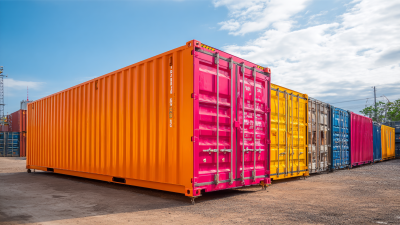
Shipping containers have become increasingly popular for various projects, from housing to storage solutions. Understanding the different types of shipping containers is crucial for anyone considering such an investment. Standard containers, also known as dry containers, are the most common type. They come in 20-foot and 40-foot sizes, with a typical height of 8.5 feet. These containers can withstand harsh weather conditions, making them versatile for different uses.
Reefer containers are another noteworthy type. They are designed for transporting perishable goods, maintaining temperatures between -20 and 30 degrees Celsius. Reports indicate that the global refrigerated container market is projected to grow by 4.5% annually. This increase reflects the demand for cold storage solutions in the food and pharmaceutical industries. However, reefer containers can present challenges, such as higher maintenance costs and reliance on electricity.
Lastly, high cube containers offer additional vertical space, appealing for projects requiring more room. They stand 9.5 feet tall and are excellent for storing larger items. Interestingly, some surveys show that nearly 30% of businesses underestimate the benefits of selecting the right container type. It's vital to reflect on your specific needs before making a choice, as selecting the wrong container can lead to wasted resources and unmet project goals.
Evaluating Key Factors: Size, Material, and Durability of Containers
When choosing a shipping container for a project, size is a crucial factor. Different projects require varying dimensions. A smaller container might suffice for personal storage, while a larger one is essential for commercial use. Think about the space available. Measure carefully to avoid surprises later. A container that is too small can lead to frustration. On the other hand, a large container may be unnecessary and costly.
Material selection is another important aspect. Most containers are made of steel or aluminum. Steel containers are robust and resistant to rust. However, they can be heavy and less portable. Aluminum containers are lighter and easier to handle but may not be as durable. Consider the project's demands. If heavy equipment needs to be stored, the material's strength becomes paramount. Reflecting on these choices can save time and money.
Durability often takes priority, yet it is essential not to overlook maintenance. A container exposed to the elements may develop rust over time. Regular inspections can help identify issues early. It's worth asking how much wear and tear the container might endure. Understanding its limits can guide many decisions. Be realistic about what a container can handle.
Top 10 Best Shipping Containers for Your Next Project
| Container Type |
Size (ft) |
Material |
Durability (years) |
Weight (lbs) |
Cost ($) |
| Standard Container |
20 |
Steel |
15 |
4900 |
2500 |
| High Cube Container |
40 |
Steel |
15 |
8400 |
3200 |
| Refrigerated Container |
40 |
Aluminum/Steel |
10 |
9000 |
5500 |
| Flat Rack Container |
20 |
Steel |
20 |
4000 |
1500 |
| Open Top Container |
40 |
Steel |
15 |
8700 |
2800 |
| Tank Container |
20 |
Steel |
10 |
5000 |
3000 |
| Double Door Container |
40 |
Steel |
15 |
8600 |
3100 |
| Insulated Container |
20 |
Metal |
20 |
4500 |
2000 |
| Ventilated Container |
40 |
Steel |
15 |
8500 |
2700 |
Top Brands in Shipping Containers: A Comparison of Market Leaders
When choosing shipping containers, several market leaders stand out. Understanding their strengths and weaknesses is vital for your next project. A recent report from the Container Owners Association indicates that over 90 million shipping containers are in circulation globally. With such a vast number, quality and reliability vary significantly among manufacturers.
Some companies lead in the production of a specific type of container, like refrigerated ones. Others excel in customization options. The Global Shipping Container Market Study revealed that container demand surged by 4% last year. However, not all brands keep pace with innovation, leading to quality inconsistencies. Consumers often report issues such as rust or poor insulation. Such shortcomings can impact project timelines and costs dramatically.
Additionally, the environmental aspect is gaining attention. Many brands are exploring sustainable materials and practices. However, the switch is not without challenges. Reports show that only 25% of the industry has fully embraced eco-friendly methods. The rest needs to rethink their approach to sustainability. The shipping container market continues to evolve, but not all participants are adapting equally. Understanding these dynamics allows for informed decisions in your project.
Cost Analysis: Budgeting for Purchase, Delivery, and Modifications
Purchasing a shipping container can be an exciting venture. However, it is vital to budget wisely. Costs can add up quickly. The price of a container varies based on size, condition, and location. A used container will typically be cheaper than a new one. Factors like delivery fees also play a significant role. Depending on the distance, shipping costs can soar.
Consider the modifications needed. Adding windows or insulation will increase costs. Sometimes, the initial price can be misleading. You should factor in these changes early in the budgeting process. Failing to do so might lead to unexpected expenses. It is wise to get quotes for modifications beforehand. This way, you’ll have a clearer financial picture.
Tip: Always inspect a container before buying. Look for rust, dents, or any signs of damage. Understand what you are paying for. Additionally, keep some budget reserved for unforeseen expenses. You never know what challenges may arise. Planning for contingencies will save you from stress later.
Top 10 Best Shipping Containers for Your Next Project
Innovative Uses: Creative Projects and Applications for Shipping Containers
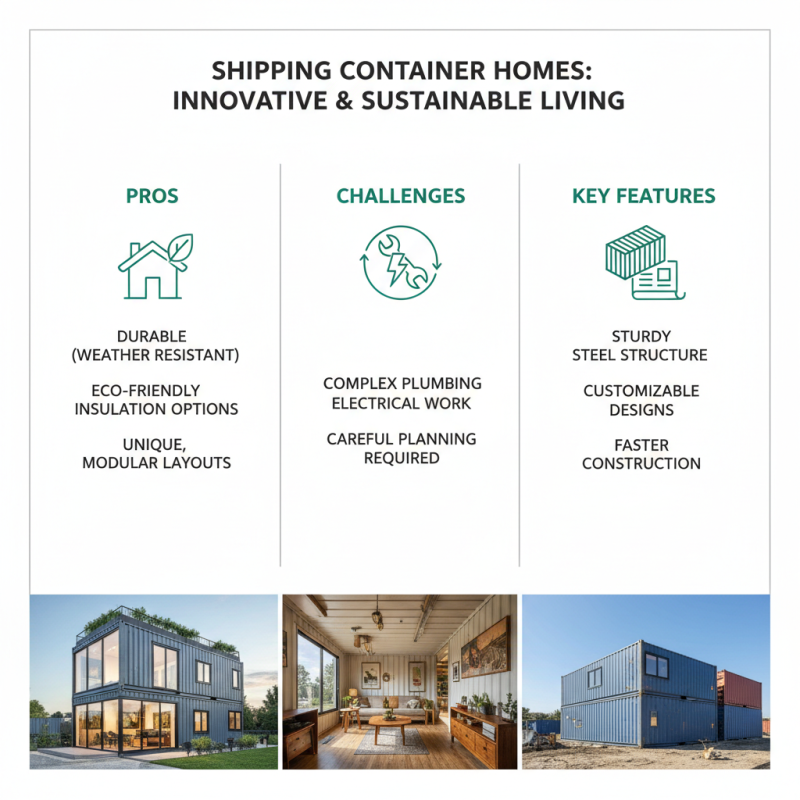
Shipping containers offer more than just storage; they can be transformed into stunning projects. One innovative idea is creating homes. The sturdy structure provides durability against harsh weather. Many opt for eco-friendly insulation as well. Using multiple containers can create unique layouts. However, plumbing and electrical work can be challenging. Homeowners must carefully plan to ensure functionality.
Another creative use is building cafes or pop-up shops. Containers can be repurposed to fit various themes. An industrial look appeals to many. These setups can be portable, allowing for flexibility in location. However, finding the right site can pose difficulties. Authorities may require permits, adding complexity to the project.
Containers can also be used for community gardens. This not only enhances aesthetics but also promotes sustainability. The containers can be converted into raised beds or storage for tools. But maintaining the garden can be time-intensive. It requires consistent effort and planning. Overall, with some imagination, shipping containers can serve remarkable purposes.