10 Best Second Hand Storage Containers for Your Needs?
When it comes to storage solutions, second hand storage containers often stand out. They are not only budget-friendly but also environmentally friendly. Using pre-owned containers reduces waste and promotes sustainability. The market is full of options that cater to various needs, from home organization to commercial use.
Finding the right second hand storage containers can be a challenge. Quality varies significantly, and some may not meet expectations. However, with a bit of research and patience, you can discover hidden gems. These containers can help you declutter your space effectively. There are unique shapes and sizes that can fit every requirement.
Consider specific features. For instance, durability, size, and intended use should guide your choice. Reflect on your personal needs before making a purchase. While looking for these containers, remember that price doesn't always reflect quality. By taking the time to choose wisely, you can find second hand storage containers that serve you well.
Understanding the Importance of Second Hand Storage Containers
Understanding the Importance of Second Hand Storage Containers
Second hand storage containers can be a practical solution for those seeking affordable and sustainable options. These containers often come with a history. They may show signs of wear, but that can add unique character to your space. Choosing second hand options can also minimize waste, promoting a greener lifestyle.
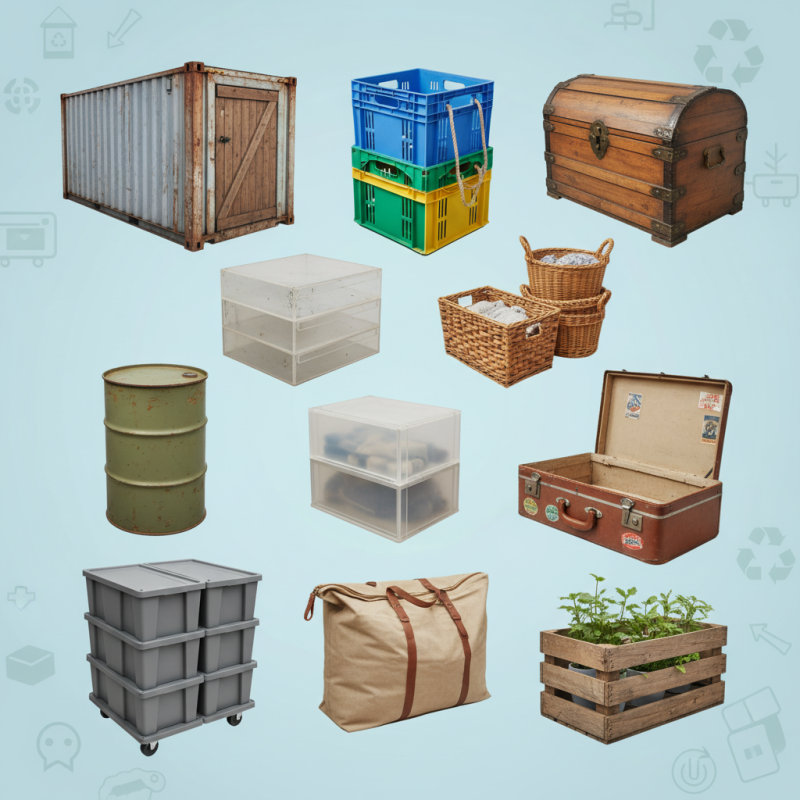
When selecting a container, consider its material. Metal containers are durable but heavy. Plastic bins are lightweight, yet may not withstand harsh weather. Inspect for damage carefully. Cracks or rust can compromise the container’s functionality.
Tip: Always clean second hand containers thoroughly before use. This step is crucial for ensuring they are safe and ready for storage.
Storage container size matters. Assess your needs before purchasing. A larger container may seem appealing, but it can take up unnecessary space. Conversely, a smaller one might not accommodate everything you need to store. Reflect on what you truly require to make the best choice.
Tip: Organizing your items inside can enhance space efficiency. Use smaller boxes inside larger containers to separate items. This can help you find what you need quickly. Embrace the uniqueness of second hand storage containers while being mindful of their quirks.
10 Best Second Hand Storage Containers for Your Needs
Factors to Consider When Choosing Second Hand Storage Containers
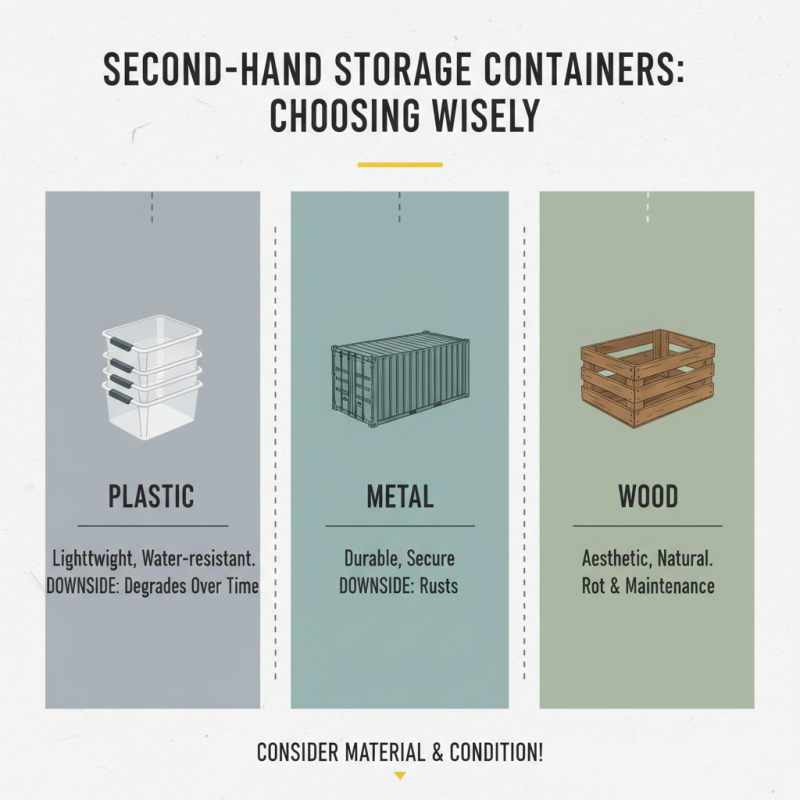
When selecting second-hand storage containers, consider the material. Plastic, metal, and wood each have their pros and cons. Plastic containers are lightweight and often water-resistant but can degrade over time. Metal containers are more durable but may rust. Wood options can be aesthetically pleasing but require maintenance to prevent rot.
Another factor is size. Assess your space and the items you plan to store. Small containers are great for organizing smaller items. Larger containers can hold bulkier goods but might require more space. Check for existing damage. Scratches and dents may not matter for some items, but ensure they won’t affect functionality.
Lastly, evaluate the cost. While second-hand options are usually cheaper, prices can vary greatly. Sometimes, a container that appears inexpensive may require repairs. Investing a little more upfront could save money later. Reflect on your needs and the potential hidden costs before making a choice.
Top 10 Second Hand Storage Container Options Reviewed
When it comes to storage solutions, second-hand containers represent a smart choice for many. The global storage container market is expected to grow at a CAGR of 5.3% from 2021 to 2028. Such growth highlights the increasing demand for efficient and sustainable storage options. By opting for second-hand storage containers, you contribute to waste reduction while benefiting from significant cost savings.
When selecting a used container, consider the material. Steel containers offer durability, while plastic ones provide lightweight options. Look for containers that show minimal wear and are free from rust. This attention to detail can prevent future issues and enhance longevity.
Tips: Always check for leaks and seals. A well-sealed container keeps your items safe from moisture and pests. It’s worth inspecting the structure quality closely since even minor dents can affect functionality.
Another factor is the size. Ensure the container meets your needs without overestimating. Too large a container can lead to wasted space. A recent survey found that 60% of users regretted purchasing containers that were too big, leading to clutter. Take measurements seriously, as they help make efficient use of space, especially in small areas.
How to Properly Clean and Maintain Second Hand Storage Containers
Cleaning and maintaining second-hand storage containers is crucial for their longevity and effectiveness. A study by the Environmental Protection Agency indicates that 25% of plastic containers contain harmful residues if not cleaned properly. It’s essential to ensure that all surfaces are scrubbed with a mild detergent. Use a soft brush to reach corners where grime collects.
To tackle stubborn stains, a mixture of vinegar and water can be effective. This solution not only cleans but also deodorizes. Rinse thoroughly after cleaning to avoid any lingering vinegar smell. Don’t forget about the seals and lids; they need special attention too. A clean container leads to better storage conditions.
Here are some tips: Always inspect containers for cracks or chips. These can harbor bacteria, making cleaning ineffective. Store containers in a cool, dry place to prevent degradation. If a container has absorbed odors, leave it in the sun for a few hours. This natural method often works wonders. Ultimately, regular maintenance will ensure your storage containers remain safe and useful for years.
10 Best Second Hand Storage Containers for Your Needs
| Container Type |
Material |
Size (L) |
Price Range ($) |
Cleaning Method |
Maintenance Tips |
| Plastic Bin |
Polypropylene |
50 |
10-20 |
Soap and Water |
Store in a dry place; avoid direct sunlight. |
| Wooden Crate |
Pine |
30 |
15-30 |
Wipe with Damp Cloth |
Apply wood oil to maintain sheen. |
| Glass Jar |
Glass |
1.5 |
5-10 |
Dishwasher Safe |
Check seals regularly for air-tightness. |
| Steel Drum |
Steel |
200 |
50-100 |
Pressure Wash |
Rust proof with proper coating. |
| Cardboard Box |
Cardboard |
60 |
1-5 |
Spot Clean with Rag |
Avoid moisture; use tape for resealing. |
Where to Find Quality Second Hand Storage Containers for Purchase
When searching for quality second-hand storage containers, consider local thrift stores and garage sales. These places often have hidden gems at low prices. Check online marketplaces as well. Many people sell unwanted storage bins that are still in great condition. Be observant; some containers may appear worn but are still functional.
Another option is community groups on social media. These groups connect people looking to buy or sell used items. You can find local offers and even negotiate prices. Don't hesitate to ask questions about the item's condition. A cautious approach ensures you make informed decisions.
Inspect each container thoroughly before purchase. Look for signs of wear and tear like cracks or rust. Some containers may be visually appealing but have underlying issues. Always prioritize functionality over aesthetics. This method saves you money and prevents future frustrations. Remember, not every deal is a good deal; take your time.