Best Safety Helmet for Construction What to Look For?
In the construction industry, safety is paramount. According to the Occupational Safety and Health Administration (OSHA), head injuries account for approximately one-third of all construction fatalities. A crucial element in reducing these incidents is the Safety Helmet Construction. Choosing the right safety helmet can significantly affect a worker's protection on site.
When selecting a safety helmet, it’s vital to consider various factors. Ensure it meets ANSI/ISEA standards for head protection. Check the material and design for durability and comfort. A helmet should fit well, allowing for unhindered work. Many helmets now include features like adjustable straps and ventilation systems, which enhance usability. However, even the best helmet cannot guarantee safety if it's not worn correctly.
Reflecting on industry standards and personal experiences, gaps remain in training and awareness. Workers must educate themselves on the proper use of safety helmets. Regular inspections and maintenance of equipment are often overlooked. Safety is a shared responsibility, and consistent communication can elevate protection standards in construction.
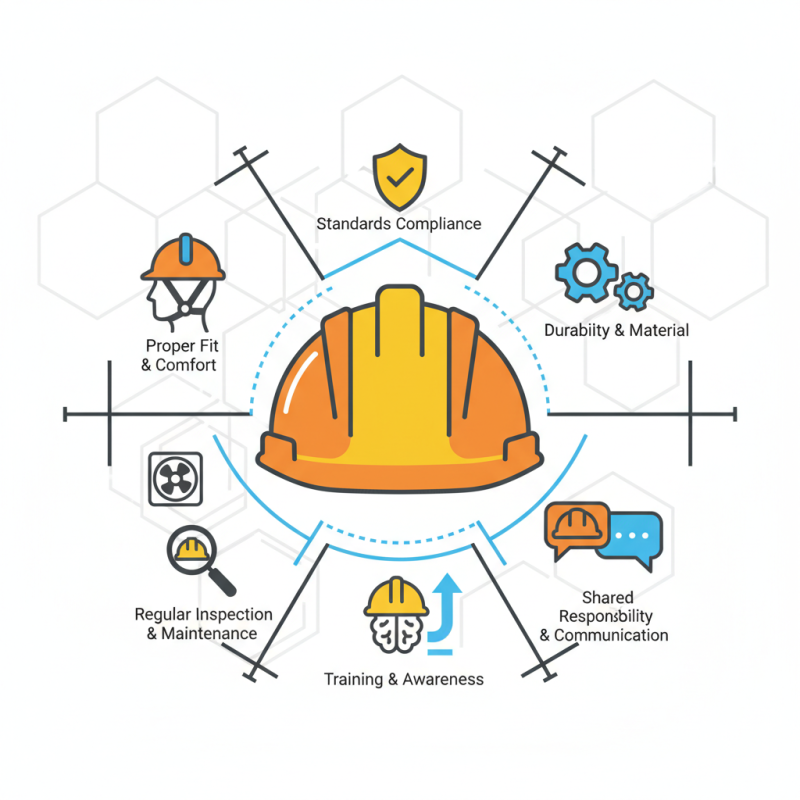
Factors to Consider When Choosing Construction Safety Helmets
When choosing a construction safety helmet, several key factors come into play. The helmet should meet safety standards. Look for helmets certified by recognized organizations. These certifications assure quality and reliability. Moreover, the materials used must be durable yet lightweight. Helmets made from high-density polyethylene or fiberglass are often preferred.
Comfort is another crucial aspect. The helmet should fit snugly but not too tight. Adjustable straps are beneficial. Many helmets now come with impact-absorbing liners, enhancing comfort during long work hours. Ventilation is also important. A well-ventilated helmet can prevent overheating in hot conditions.
Finally, consider the color and visibility. Bright colors enhance visibility on-site, reducing the risk of accidents. Reflective strips can further improve safety. Remember, a helmet's effectiveness depends on proper use and maintenance as well. Regularly check for cracks or signs of wear. Adjust or replace the helmet as needed to ensure maximum protection. Observing these details can help in selecting the best safety helmet for construction.
Material Types and Their Impact on Helmet Durability and Safety
When selecting the best safety helmet for construction, material types play a crucial role in durability and safety. Common materials include polycarbonate, fiberglass, and high-density polyethylene (HDPE). Each material has unique properties affecting their resilience to impact and environmental factors.
According to industry reports, helmets made from polycarbonate offer superior protection against falling objects, absorbing up to 90% of impact energy. However, fiberglass helmets are often lighter and provide strong resistance to heat and chemicals, which can be essential in certain construction environments.
It’s important to consider how weather conditions affect helmet performance. For example, UV exposure can degrade plastic materials over time, reducing their protective capacity. Regular inspections and replacements are necessary. Additional research suggests that helmets older than five years may not conform to current safety standards.
Tip: Always check for compliance with safety certifications, like ANSI or CSA, before making a purchase. This ensures the helmet can withstand expected hazards on the job site. Moreover, it's beneficial to consult with safety professionals who can advise based on your specific work conditions. Regular training on the helmet's features enhances understanding and safe use.
Understanding Safety Certifications for Construction Helmets: ANSI and CSA
When selecting a safety helmet for construction, understanding certifications is key. Two significant standards are ANSI (American National Standards Institute) and CSA (Canadian Standards Association). ANSI helmets are tested for impact resistance and electrical hazards, vital for U.S. job sites. CSA standards are robust as well, focusing on similar aspects, but also emphasize ergonomics and comfort.
Data from the Bureau of Labor Statistics indicates that head injuries account for nearly 10% of all workplace injuries in construction. This underscores the necessity of choosing a helmet that meets these safety certifications. It's essential to check for the markings on the helmet. Compliance with ANSI Z89.1 or CSA Z94.1 is crucial for ensuring adequate protection.
Many helmets come with additional features like adjustable sizing and ventilation. Yet, comfort is often sacrificed for safety. Workers sometimes feel constrained by heavier models. Striking the right balance ensures that helmets are worn consistently, which is essential for safety. Reflecting on this, construction companies must prioritize both safety and comfort in their helmet selections.
Importance of Fit and Comfort in Safety Helmets for Construction Workers
When choosing a safety helmet for construction, fit and comfort are crucial. A properly fitting helmet protects your head from falling objects. If it’s too loose, it may slip off during a fall. Conversely, a tight helmet can cause discomfort and distraction. Workers often find that a snug yet comfortable fit allows them to focus on their tasks without constantly adjusting their gear.
Comfort also affects long-term wear. Construction workers spend hours on the job site, so a helmet that causes discomfort can lead to fatigue. Features like adjustable suspension systems and ventilation can greatly enhance comfort. Helmets with padding can offer extra cushioning for prolonged wear. It’s important to try different models and find what feels best on your head.
However, the perfect helmet may not exist for everyone. Individual head shapes and sizes vary significantly. Some may experience pressure points, while others might feel overheated. It's essential to evaluate your experiences and be open to feedback. Continual refinement of what feels comfortable can lead to better choices over time. Always remember, safety should never be sacrificed for comfort.
Best Safety Helmet for Construction: What to Look For?
This bar chart displays the importance level of various features when selecting a safety helmet for construction workers. Key features such as weight, comfort, ventilation, durability, and fit are rated on a scale from 1 to 10, indicating their significance in ensuring safety and comfort on the job site.
The Role of Additional Features: Visors, Chin Straps, and Ventilation System
When selecting a safety helmet for construction, additional features play a vital role. Visors can provide protection against debris and flying particles. They can also shield your eyes from harmful UV rays. A good visor should be easy to attach and remove. Users often struggle with fogging. Anti-fog treatment can be essential for visibility in various weather conditions.
Chin straps are another important feature. They ensure that the helmet stays secure, even during sudden movements. A loose helmet can pose serious safety risks. It is crucial to find a chin strap that is comfortable yet secure. Some users may feel that their helmet is too tight, while others may not realize a loose fit can be dangerous.
Ventilation systems enhance comfort, especially in hot environments. Helmets without vents can become unbearable in warm weather. However, too many vents can compromise structural integrity. Striking a balance is essential. Users often have mixed experiences with ventilation. Some helmets offer excellent airflow, while others do not meet expectations. It is important to try on helmets and assess comfort levels before making a final decision.