What is the Best Garden Fence for Your Property Needs?
Choosing the right Garden Fence can greatly influence your property’s appeal and functionality. A garden fence serves multiple purposes: it provides security, creates boundaries, and enhances aesthetics. Yet, with so many options available, selecting the best one can be overwhelming. Each fence type comes with its unique benefits and drawbacks.
When considering a garden fence, think about your specific needs. Do you want privacy or visibility? Is durability a priority, or are you more focused on style? Wooden fences may offer classic beauty but require more maintenance. Chain-link fences provide security at a lower cost, but they lack charm. Your garden’s environment should also guide your choice. Factors like local weather and soil conditions can impact the longevity and stability of your fence.
Reflect on the boundary you want to create. A fence is more than just a barrier; it is an essential part of your landscape. The ideal garden fence should meet your needs while uplifting the overall look of your property. It's important to weigh these considerations to make a choice that reflects both your practical requirements and your aesthetic preferences.
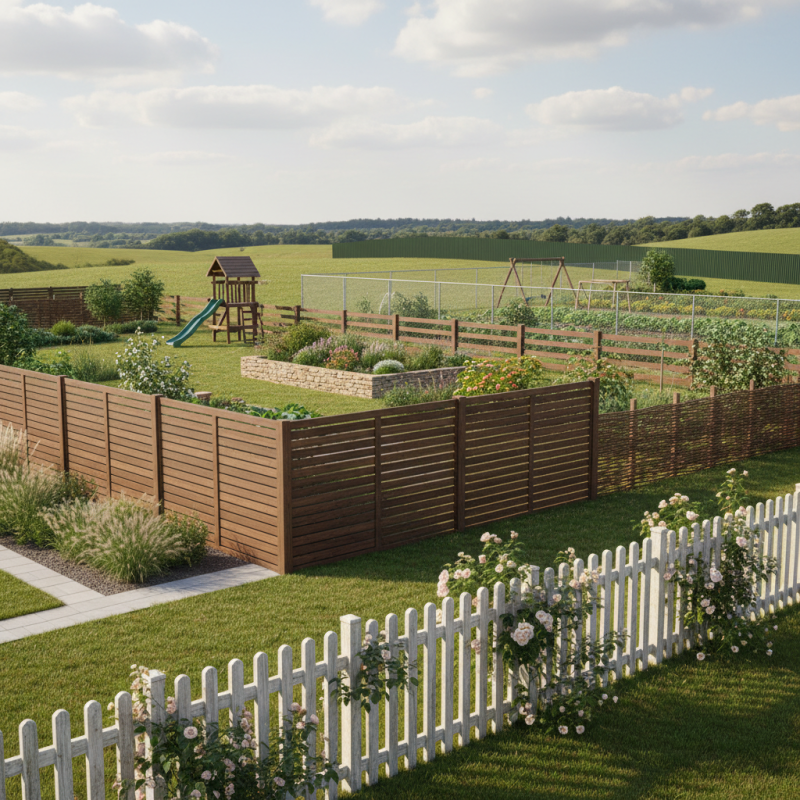
Types of Garden Fences and Their Purposes
When choosing a garden fence, understanding the types available is crucial. Each type serves a distinct purpose and suits different aesthetic needs. For example, picket fences provide a quaint charm and define boundaries softly. They are ideal for small gardens, enhancing the overall visual appeal while allowing for airflow and light.
On the other hand, chain-link fences offer durability and security. They are a practical choice for larger properties or areas where pets play. While they might lack the visual charm of wood options, their functionality can’t be overlooked. Additionally, privacy fences, often made from wood or vinyl, create secluded spaces. These can dramatically transform the feel of your garden, giving you a peaceful retreat. However, they may block sunlight to some plants.
Exploring these options reveals practical trade-offs. A decorative fence may need more maintenance, while sturdy options might feel too austere. Choosing the best fence requires balancing beauty and function, ensuring it meets your needs while complementing your property. Don't rush this decision. Consider how each fence type aligns with your lifestyle and garden goals.
Factors to Consider When Choosing a Garden Fence
Choosing the right garden fence involves several important factors. Start by assessing your property's needs. Consider the purpose of the fence. Are you looking for privacy, security, or merely a decorative element? Each goal requires different materials and designs. For privacy, taller fences or solid panels might be best. For security, sturdier materials like metal can deter intruders effectively.
In addition to purpose, think about your local environment. Fences must withstand weather conditions. High winds and heavy rains can damage weaker structures. Traditional wooden fences may need regular maintenance. Metal options can offer increased durability but might be more expensive. Take time to explore various materials and their strengths.
Tips: Before deciding, visualize how the fence fits into your landscape. Measure your garden's dimensions accurately. Choose colors and styles that match your home’s aesthetic. Reflect on your choices; sometimes, what looks good in theory may not blend well in practice. Engage with local professionals to gain insights based on their experiences. Always prioritize long-term value and maintenance to ensure your investment is worthwhile.
Factors to Consider When Choosing a Garden Fence
Materials Used for Garden Fencing: Pros and Cons
Choosing the right material for garden fencing is crucial. Each option has its advantages and drawbacks. Wood, for example, offers a natural look. It blends well with gardens. However, it can rot over time. Regular maintenance is needed to keep it looking good.
Metal fencing, often made of aluminum or steel, provides strength. It’s durable and requires little upkeep. Rust can be a drawback. If you live in a humid area, consider this carefully. Vinyl fencing is another option. It’s easy to install and comes in many colors. Yet, it can be pricier than wood or metal.
Another material to consider is composite fencing. This blends wood fibers and plastic. It has a modern appeal and resists decay. However, it may not fit all aesthetics. Think about how these materials will suit your garden's style. Reflect on your needs before making a decision.
Design Options for Garden Fences: Aesthetic and Functional Aspects
Designing a garden fence involves balancing aesthetic appeal with functionality. A study by the American Society of Landscape Architects suggests that a well-designed fence can increase property value by up to 10%. Various materials like wood, vinyl, and metal each offer distinct benefits. For instance, wood fences provide a natural look, while vinyl requires less maintenance. Metal options, like wrought iron, offer durability but can be more costly.
Regarding aesthetics, consider color, height, and style. A tall, locked fence provides security but may block light. Conversely, a shorter picket fence invites a welcoming feel but offers less privacy. Research indicates that a combination of elements enhances both beauty and practicality. Think about what suits your garden's character.
Tips:
Choose colors that blend with your landscape. Neutral tones can harmonize well with plants.
Think about your visibility. A fence should define space without creating an uninviting barrier.
Reflect on your needs. A design that looks good might not always serve your functionality well.
What is the Best Garden Fence for Your Property Needs?
| Fence Type | Aesthetic Appeal | Functionality | Average Cost per Linear Foot | Lifespan |
| Wood Fence | Natural and Warm | Good for privacy | $15 - $30 | 10 - 15 years |
| Vinyl Fence | Sleek and Modern | Low maintenance, good for privacy | $20 - $40 | 20 - 30 years |
| Chain Link Fence | Functional and Industrial | Good for security, low cost | $10 - $20 | 15 - 20 years |
| Privacy Fence | Solid and Enclosing | Excellent for blocking views | $25 - $50 | 10 - 20 years |
| Metal Fence | Elegant and Strong | Strong for security and aesthetics | $30 - $60 | 30 - 50 years |
Maintenance and Longevity of Different Garden Fence Types
When choosing a garden fence, maintenance and longevity play crucial roles. Wood fences offer a classic look, but they require regular staining and sealing. Over time, wood can rot or warp, necessitating replacement. However, with proper care, a well-maintained wood fence can last for decades. It’s worth considering the climate in your area, as extreme weather can accelerate wear.
In contrast, vinyl fences require less upkeep. They are resistant to fading and do not splinter. Cleaning is simple—just a hose down will suffice. Yet, they may not withstand strong impacts like wood. Metal fencing, such as aluminum or wrought iron, offers durability and an elegant aesthetic. However, rust can be an issue without protective coatings. Gardeners should reflect on their willingness to invest time and resources into maintenance when selecting a suitable fence. Every material has its drawbacks and ideal situations. Knowing these nuances helps in making an informed choice.