Top 10 Benefits of Transport Containers for Global Buyers
Transport containers have become essential tools for global trade. They facilitate the efficient movement of goods across vast distances. Understanding their benefits can significantly impact buying strategies. From cost reduction to enhanced security, transport containers offer immense value.
Businesses increasingly rely on these containers to streamline their supply chains. They help minimize shipping delays and reduce damage during transport. Furthermore, the standardized sizes of these containers promote easier stacking and storage, maximizing warehouse space. Buyers should also consider the environmental advantages. Reusable containers can lead to reduced waste and lower carbon footprints.
However, the market presents challenges. Not all transport containers meet industry standards. Buyers must ensure they choose reputable suppliers. The right container can enhance efficiency, but subpar options may lead to unexpected losses. By focusing on quality and reliability, buyers can leverage the full potential of transport containers in their operations.
Key Characteristics of Transport Containers in Global Trade
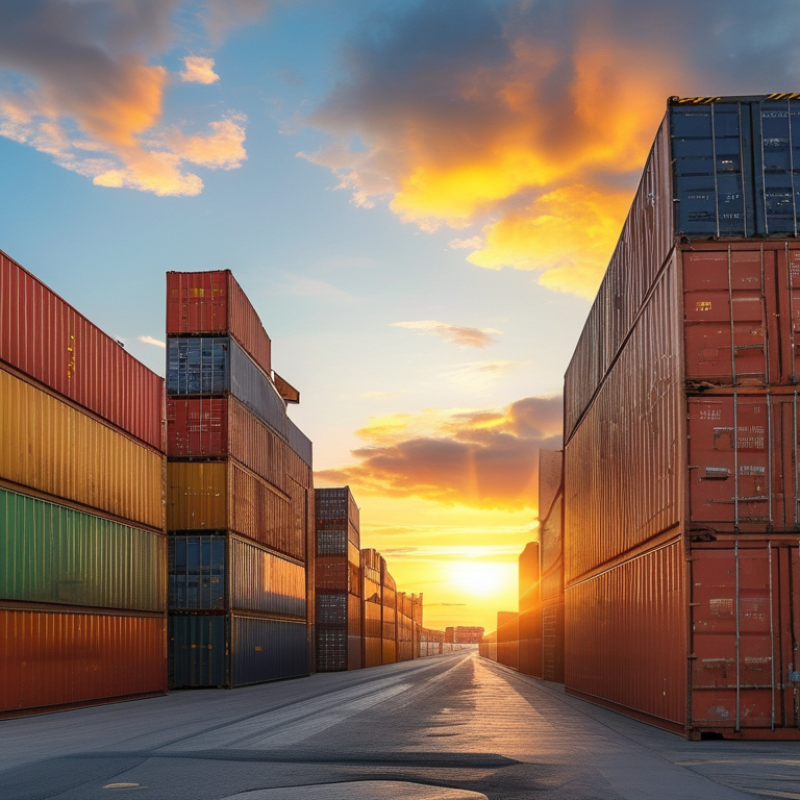
Transport containers play a crucial role in global trade, providing a standardized method for transporting goods. These containers are designed to be durable, water-resistant, and secure. According to the International Maritime Organization (IMO), about 90% of global trade involves containerized shipping. This statistic highlights their significance in efficient logistics and supply chain management.
One key characteristic of transport containers is adaptability. They come in various sizes, such as 20-foot and 40-foot options, allowing traders to optimize shipping costs. In 2021, the global container market was valued at over $8 billion, with projections indicating continued growth. However, not all regions have equal access to container resources. Some businesses may struggle with container shortages. Supply chain disruptions during the pandemic exposed vulnerabilities. Companies that depended heavily on just-in-time inventory faced challenges.
Furthermore, containers offer improved security features. With advanced locking mechanisms and tracking technology, they protect cargo against theft and damage. Nonetheless, challenges exist. The environmental impact of container production and disposal remains a concern. Increasing pressure to adopt sustainable practices is reshaping industry standards. Transport containers are not just vessels; they symbolize a global economy striving for efficiency and resilience while facing the need for responsible innovation.
Cost-Efficiency: How Transport Containers Reduce Shipping Expenses
Transport containers have become essential for global trade. They offer significant cost-efficiency, leading to reduced shipping expenses. Utilizing these containers minimizes the risk of damage. Goods are better protected during transport. This reduces the need for costly replacements. The standard sizing of containers simplifies logistics, allowing for optimal cargo space utilization.
One tip for cost savings is to consider container leasing. Leasing can be more affordable than purchasing. This flexibility can benefit seasonal businesses. Another recommendation is to consolidate shipments. Fewer, fuller containers reduce overall freight costs. This approach also lessens environmental impact.
However, it’s essential to assess your specific needs. Not every shipment requires a container. Sometimes, alternative methods might be cheaper. Evaluate the trade-offs between using containers and other options. Recognizing these nuances will enhance your shipping strategy and improve your bottom line.
Top 10 Benefits of Transport Containers for Global Buyers - Cost-Efficiency: How Transport Containers Reduce Shipping Expenses
| Benefit |
Description |
Estimated Savings (%) |
| Standardization |
Uniform sizes reduce handling time and logistics costs. |
10% |
| Intermodal Efficiency |
Facilitates easy transfer between various transport modes. |
15% |
| Reduced Damage Rates |
Sturdy containers lower risk of product damage during transit. |
5% |
| Space Optimization |
Maximizes use of space in shipping vessels and trucks. |
12% |
| Global Compatibility |
Easily integrates with global shipping standards. |
8% |
| Lower Return Rates |
Efficient packaging leads to fewer returns. |
4% |
| Insurance Benefits |
Reduced risk lowers insurance premiums for shipments. |
6% |
| Time Efficiency |
Faster loading and unloading processes. |
20% |
| Environmental Benefits |
Use of containers promotes eco-friendly shipping practices. |
3% |
| Versatility |
Suitable for a variety of goods, enhancing shipping flexibility. |
9% |
Enhanced Security Features of Transport Containers for Goods Protection
Transport containers offer crucial security features that greatly enhance the protection of goods during transit. These robust containers are designed to withstand harsh environmental conditions. They are constructed from high-quality materials, which helps prevent unauthorized access. Locking mechanisms and reinforced doors deter potential theft. Cargo is often stored in these containers for long periods. Thus, ensuring that they remain intact is vital.
Moreover, many containers come equipped with tracking devices. These devices enable real-time monitoring of cargo location. This feature is particularly valuable for high-value shipments. It gives buyers peace of mind, knowing their goods are secure. Visual inspections of the seals and locks can provide additional layers of security. Buyers are encouraged to conduct regular checks on their containers.
Despite these advantages, there are areas for improvement. Some containers may be vulnerable to advanced techniques of theft. Additionally, the effectiveness of security measures varies by region. Training for personnel handling these containers is often lacking. As improvements continue, the focus on security features must not wane. Constant reflection on best practices is essential to ensure the highest level of protection for all shipments.
Flexibility and Versatility: Adapting Transport Containers for Various Needs
Transport containers offer a blend of flexibility and versatility for global buyers. These containers can be used for various purposes, beyond traditional shipping. Their design allows them to be repurposed into portable offices, pop-up shops, and even living spaces. This adaptability is appealing in an ever-changing market where adaptability is key.
Furthermore, transport containers can be customized to fit specific needs. Buyers can modify the interior layout, add ventilation, and insulate the walls. This customization enhances functionality and can meet diverse requirements. However, each modification requires careful planning. It’s crucial to consider the structural integrity of the container after changes are made.
In some cases, buyers may struggle to find the right solutions, requiring more thought and creativity. The ability to transform a container into a practical space can be rewarding yet challenging. Buyers must balance vision with achievable outcomes. Understanding the limitations of containers, while exploring possibilities, can lead to innovative uses in various sectors.
Environmental Impact: Sustainable Practices with Transport Containers
Transport containers play a significant role in sustainable practices for global trade. They reduce waste by using durable materials that last for years. Their recyclability helps minimize environmental impact. In many cases, the same containers are reused multiple times, lessening the need for new manufacturing. Each time a container is put back into use, resources are saved. This creates a need to rethink our waste management practices.
While containers are beneficial, challenges exist. Some containers end up abandoned or poorly maintained, potentially harming the environment. Efforts to improve maintenance and tracking are essential. Innovations are emerging, such as using smart technology to monitor container status. These advancements can ensure proper handling and recycling.
The logistics industry must adopt a greener mindset. If more companies prioritize sustainability in their supply chains, the positive impact will grow. Container shipping can be a key player in reducing carbon footprints. Yet, it requires commitment and action from all stakeholders involved. By embracing responsible practices, we can potentially reshape the future of global trade.
Top 10 Benefits of Transport Containers for Global Buyers