What is Alloy Steel Casting and Why Choose It for Your Needs?
Choosing the right materials is crucial in manufacturing. Alloy Steel Casting is a standout option for many applications. Expert Tom Richardson, a leader in metalworking, once stated, “Alloy Steel Casting provides strength where you need it most.” This statement captures the essence of why manufacturers turn to this material.
Alloy Steel Casting combines different metals to enhance durability and resistance. Its applications range from automotive parts to heavy machinery components. Many industries benefit from its unique properties. However, not every project requires alloy steel. Understanding the specific needs of your application is vital.
Alloy Steel Casting is versatile but can be overkill for some products. Choosing it solely for its strength could lead to increased costs. Reflection on your project's demands is necessary. Selecting the right casting method involves balancing performance and budget. Consider how Alloy Steel Casting fits into your goals.
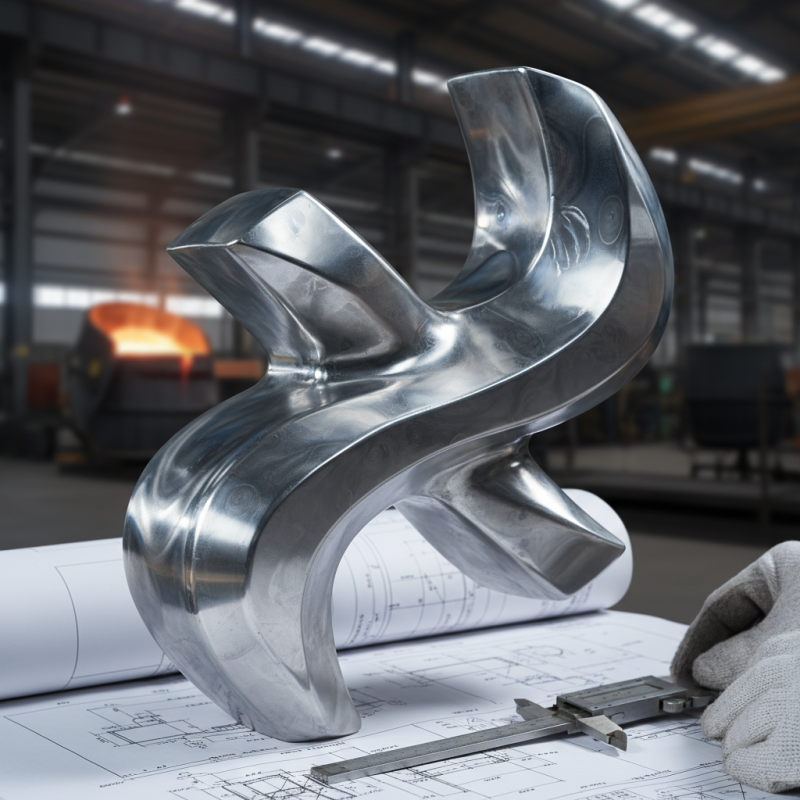
Understanding Alloy Steel Casting: Definition and Composition
Alloy steel casting combines iron with other elements to enhance its properties. This process creates a versatile material used in various applications. The primary components include manganese, nickel, and chromium. Each element contributes unique characteristics.
Manganese improves toughness and hardenability. Chromium adds resistance to corrosion and oxidation. Nickel enhances ductility and strength at lower temperatures. These elements work together to form a robust material. The final product demonstrates high tensile strength and excellent wear resistance, making it ideal for demanding environments.
However, alloy steel casting requires careful consideration. Variations in composition can affect performance. Manufacturers must understand the precise needs for each application. While alloy steel casting is beneficial, the process is not without its challenges. Attention to detail during production is essential to achieving the desired results.
The Manufacturing Process of Alloy Steel Casting: Step-by-Step Explanation
The manufacturing process of alloy steel casting is intricate and requires attention to detail. This process typically begins with careful material selection. Manufacturers choose specific alloy compositions to enhance desired mechanical properties. Common elements include nickel, chromium, and molybdenum, which can improve strength and corrosion resistance.
Next, the melting and pouring stage is crucial. Alloy steel is heated to a high temperature, ensuring a uniform molten state. This step requires precise temperature control. Any fluctuations can negatively impact the material's integrity. Once at the right temperature, the molten steel gets poured into molds. These molds can be made from sand or metal, depending on the intended application.
After cooling, the casting is removed from the mold. Defects may appear at this stage, necessitating further inspection. Quality control is paramount here, as even minor imperfections can lead to failure in applications. Additional processes like machining or heat treatment often follow. Each of these steps must be managed carefully to achieve the highest quality. Importantly, the manufacturers should continuously evaluate their techniques. Reflecting on past mistakes can lead to improved processes in the future.
Alloy Steel Casting Process Overview
This bar chart illustrates the various steps involved in the alloy steel casting process and the estimated time taken for each step in hours. Understanding these steps can help you make informed decisions when choosing alloy steel casting for your manufacturing needs.
Advantages of Alloy Steel Casting in Various Industries
Alloy steel casting is increasingly favored across various industries. This material combines iron with other elements, enhancing its mechanical properties. The result is a robust product that can withstand extreme conditions. This characteristic is crucial for industries like automotive and aerospace, where durability is non-negotiable.
In manufacturing, alloy steel casting offers significant advantages. Its density contributes to overall strength, making it ideal for heavy machinery. Precision in casting ensures that components fit together seamlessly. Industries benefit from lower maintenance costs, as alloy steel resists wear and tear. However, the initial investment can be high. Some companies may hesitate before making the switch.
Moreover, alloy steel casting performs well under high temperatures. This quality is vital in sectors such as oil and gas. Yet, not all alloy steels are the same. Variations in composition can lead to performance differences. Organizations must analyze their specific needs carefully. This approach helps avoid costly mistakes. Alloy steel casting presents a compelling option, but careful consideration is essential.
What is Alloy Steel Casting and Why Choose It for Your Needs? - Advantages of Alloy Steel Casting in Various Industries
| Industry | Application | Advantages |
| Automotive | Engine components, chassis | High strength, durability, and resistance to wear |
| Aerospace | Structural components, landing gear | Lightweight, exceptional mechanical properties |
| Construction | Structural beams, heavy equipment | High tensile strength, corrosion resistance |
| Oil & Gas | Pipelines, valves | Ability to withstand extreme environments |
| Military | Weapons systems, vehicles | Enhanced impact resistance and reliability |
| Manufacturing | Machinery parts, fixtures | Precision and high performance under stress |
Common Applications of Alloy Steel Casting: Where It's Used
Alloy steel casting is widely utilized across various industries due to its unique properties. These materials combine iron with elements like chromium and nickel, providing enhanced strength, toughness, and resistance to wear. According to a report from the Casting Industry, the alloy steel casting market is projected to reach $20 billion by 2025. This growth is driven by the demand for high-performance components in sectors like automotive and aerospace.
In the automotive industry, alloy steel castings are essential for critical components like crankshafts and gears. They are favored for their ability to withstand high temperatures and stress. A study published by the Automotive Research Association indicates that alloy steel castings can improve the lifespan of automotive parts by as much as 30%. Similarly, the aerospace sector benefits significantly from these materials, with applications in engine components that require lightweight yet robust materials.
The construction sector also sees extensive use of alloy steel castings. They are instrumental in making components for heavy machinery and structural elements. Reports suggest that nearly 40% of heavy machinery relies on alloy steel cast components for enhanced durability. However, challenges remain, such as the need for precise control in the casting process. Achieving uniform quality can be difficult, necessitating ongoing innovation in manufacturing techniques.
Factors to Consider When Choosing Alloy Steel Casting for Your Projects
When selecting alloy steel casting for projects, several factors should be assessed. It is essential to consider the mechanical properties required for the end use. Alloy steel offers superior strength and durability, making it suitable for demanding applications. According to a report by the American Foundry Society, alloy steels are known for their excellent wear resistance and toughness. This can significantly reduce maintenance costs over the equipment's lifespan.
Additionally, the composition of the alloy plays a crucial role. Different elements like chromium, nickel, or molybdenum can enhance specific characteristics. For example, chromium increases hardness, while nickel improves toughness. The choice of alloy composition should align with the project’s specifications. While alloy steel casting can be beneficial, it is also important to acknowledge potential downsides. Some alloys may be more challenging to weld, which can complicate manufacturing processes.
Cost considerations are also vital. While alloy steel casting can offer long-term savings through durability, the initial costs may be higher than other materials. A study from the International Journal of Metalworking indicates that project budgets must account for these upfront investments. Balancing durability with cost efficiency requires thoughtful planning and consideration of the project’s goals. Decisions should be rooted in the unique needs of each project, ensuring that the right alloy steel casting is chosen.