What is a 40 ft storage container and its uses?
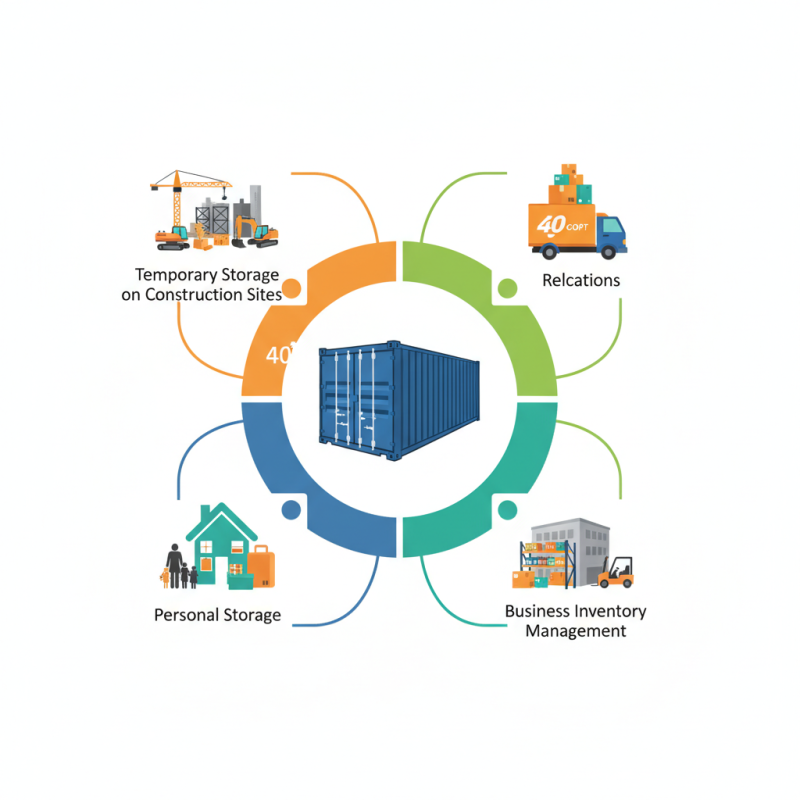
The "40 ft storage container" has become a popular solution for various storage needs. Experts like John Smith, a logistics specialist, emphasize its versatility. He once stated, "A 40 ft storage container can handle diverse storage challenges efficiently." This type of container is not just for transporting goods. It's also used for temporary storage on construction sites, during relocations, or even for personal storage.
These containers are sturdy, weather-resistant, and capable of holding large volumes. Imagine having a secure space for your belongings, whether it’s furniture, tools, or inventory. However, selecting the right container isn’t always straightforward. Consider factors like accessibility and location.
While many view the "40 ft storage container" as a simple tool, its potential applications are vast. From businesses managing seasonal stock to individuals decluttering their homes, the uses are countless. Yet, users must reflect on their specific needs and the container's limitations. Proper planning is essential for maximizing its potential while minimizing any drawbacks.
What is a 40 ft Storage Container: Definition and Specifications
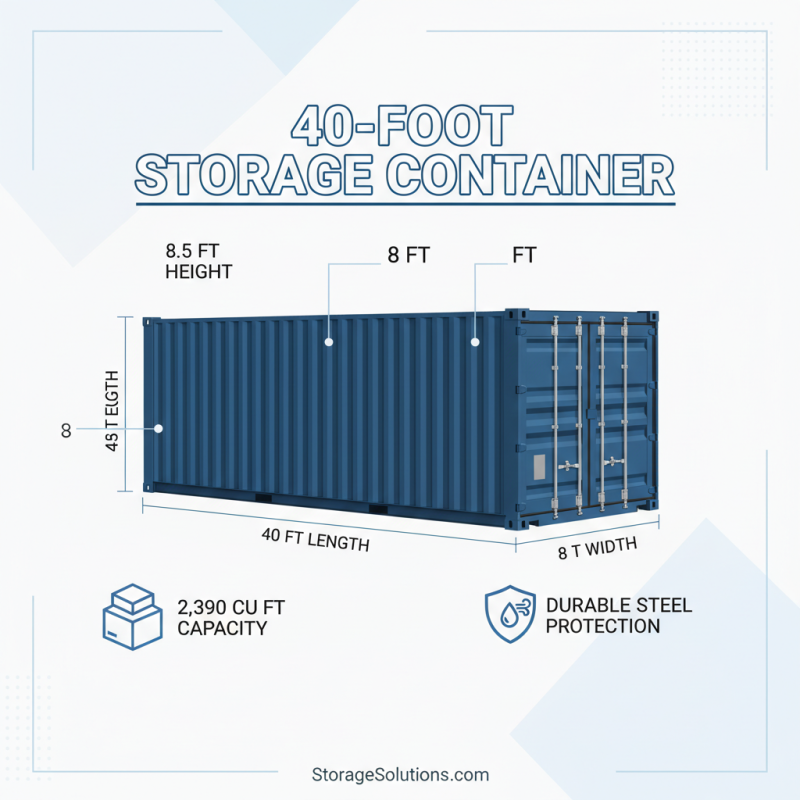
A 40 ft storage container is a versatile and spacious unit. Typically made of durable steel, it provides ample room for various storage needs. The standard dimensions include a length of 40 feet, a width of 8 feet, and a height of 8.5 feet. This type of container can hold approximately 2,390 cubic feet of cargo. Its robust construction ensures protection against elements like rain and wind.
These containers are commonly used for both residential and commercial purposes. People often use them for moving, temporary storage during renovations, or long-term storage of personal belongings. Businesses frequently utilize them to store excess inventory or equipment. However, the size can be a double-edged sword. While spacious, not every location can accommodate a 40 ft unit.
It's crucial to assess the site before delivery. Ground stability is important, too. Uneven surfaces can lead to problems. Moreover, some individuals and businesses mistakenly underestimate their storage needs. A 40 ft storage container might seem sufficient, but it could quickly fill up. Planning ahead can prevent overcrowding and disorganization. Understanding these aspects can enhance the overall experience with a 40 ft storage container.
Key Features and Dimensions of 40 ft Storage Containers
A 40 ft storage container is a versatile and spacious option, widely used across various industries. Measuring 40 feet long, 8 feet wide, and 8.5 feet high, these containers provide about 2,390 cubic feet of storage space. This generous capacity allows for the safe storage of a large number of items, making it popular for both personal and commercial use. Industries such as construction and retail often rely on them for transporting goods.
One key feature is the structural integrity of a 40 ft container. Industry reports suggest that these containers can withstand extreme weather conditions. They are designed with a double door at one end, providing easy access. A typical empty container weighs around 8,000 pounds, which ensures stability during transport. However, the weight can become an issue if overloading occurs. It’s crucial to adhere to the maximum payload limit of approximately 28,000 pounds.
Another detail to consider is the insulation quality. While many containers are made from Corten steel for durability, insulation is often overlooked. This might lead to temperature fluctuations inside the container, potentially damaging sensitive items. Understanding these features can help users choose the right container for their needs and avoid common pitfalls associated with improper use.
Common Uses of 40 ft Storage Containers in Various Industries
A 40 ft storage container is a versatile solution for many industries. In construction, it serves as an essential unit for storing tools and materials. Project managers prefer these containers for their durability and spaciousness. Research indicates that 65% of construction sites utilize containers for on-site storage. This approach minimizes theft and protects equipment from the elements.
In retail, 40 ft containers are used for inventory management. Stores can store seasonal goods or surplus stock efficiently. A report highlighted that 70% of retailers find these containers helpful in reducing storage costs. They are also ideal for temporary storage during store renovations. This helps maintain smooth operations without clutter.
However, not all uses are perfect. Some businesses struggle with space limitations for placement. Others may find it challenging to access items stored at the back. It's essential to consider these factors when opting for storage solutions. Balancing efficiency and accessibility is key to making the most of a 40 ft container.
Cost Analysis and Financial Benefits of Renting vs. Buying
When considering a 40 ft storage container, understanding the financial implications is crucial. Renting often appears more cost-effective at first glance. A rental typically ranges from $100 to $300 per month. In contrast, purchasing a new container could cost between $3,000 and $6,000 upfront.
Over time, these costs can create a notable difference. A financial analysis showed that companies renting containers for over 24 months might spend more than buying one outright. However, renting offers flexibility. It allows businesses to adjust storage needs without a significant investment. This is essential for short-term projects or fluctuating inventory.
Maintenance costs also differ between renting and owning. Owners face upkeep and repair expenses, which can be challenging to predict. Industry reports suggest that maintenance can add 10-15% per year to ownership costs. This unpredictability can lead to financial strain. Businesses should consider these factors when deciding between renting and buying.
Market Trends and Demand for 40 ft Storage Containers in 2023
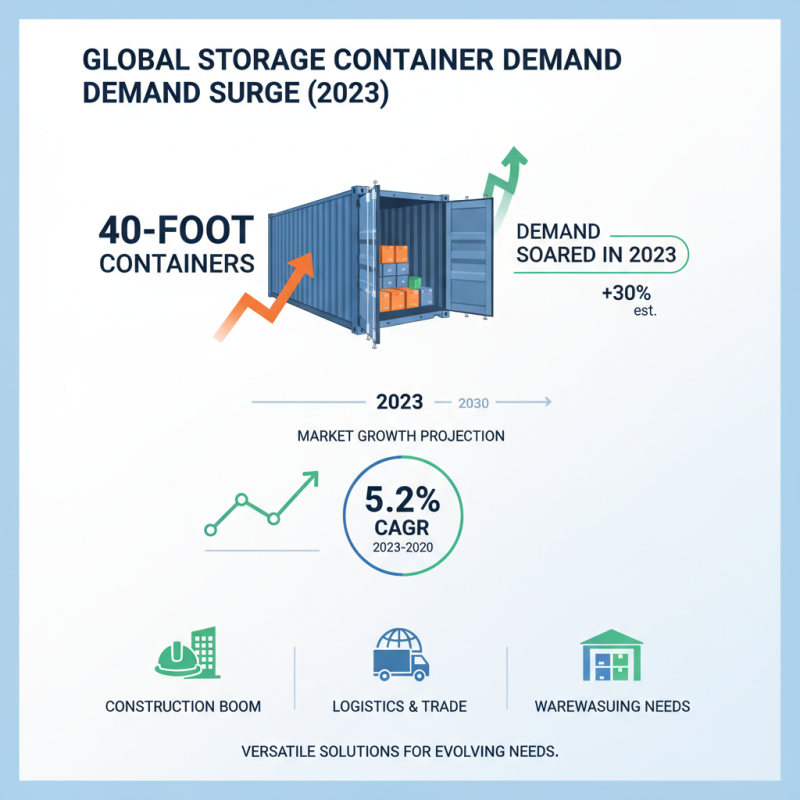
The demand for 40 ft storage containers has surged in 2023, driven by various market needs. According to industry reports, the global market for storage containers is projected to grow at a compound annual growth rate (CAGR) of 5.2%. This increase reflects a significant rise in construction, logistics, and warehousing activities. Companies and individuals are seeking versatile storage solutions that can accommodate various needs.
Despite the growing market, challenges remain. Many businesses struggle to manage supply chain disruptions. The need for quality assurance in the manufacturing process is critical. Inadequate standards can lead to subpar containers failing under pressure. Alongside this, climate considerations are becoming essential as companies look for sustainable options.
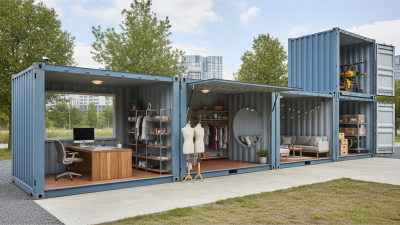
The trend shows a shift towards repurposing containers. This strategy not only extends the life of these structures but also responds to environmental concerns. Emerging markets are exploring creative uses, from housing to pop-up businesses. Conversations around innovation and adaptability are vital. They spark reflection on how the industry can improve while meeting consumer expectations. Ensuring quality and cost-effectiveness continues to be a balancing act.