2026 Top Types of 20 ft Shipping Container and Their Uses?
In the world of logistics, the importance of the "20 ft shipping container" cannot be overstated. Industry expert John Smith once stated, “The versatility of a 20 ft shipping container opens countless possibilities for businesses.” This encapsulates the significance of these containers in various sectors, from transportation to storage solutions.
The 20 ft shipping container serves many purposes. Businesses use it for on-site storage, temporary offices, and even innovative housing solutions. They are sturdy, weather-resistant, and adaptable. However, not all uses are perfect. Some issues arise when modifying containers for specific needs, leading to structural challenges or compliance issues.
Despite these challenges, the potential remains. Creativity in utilizing a 20 ft shipping container can lead to sustainable practices. However, businesses must evaluate their specific needs before investing in these containers. Understanding the top types and their applications is crucial for making informed decisions.
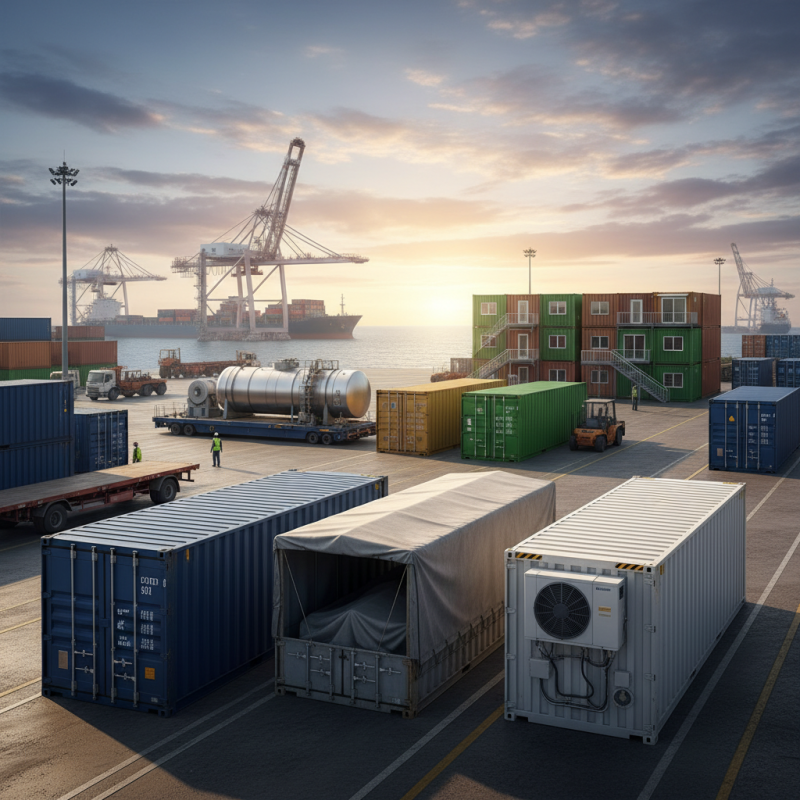
Types of 20 ft Shipping Containers: An Overview
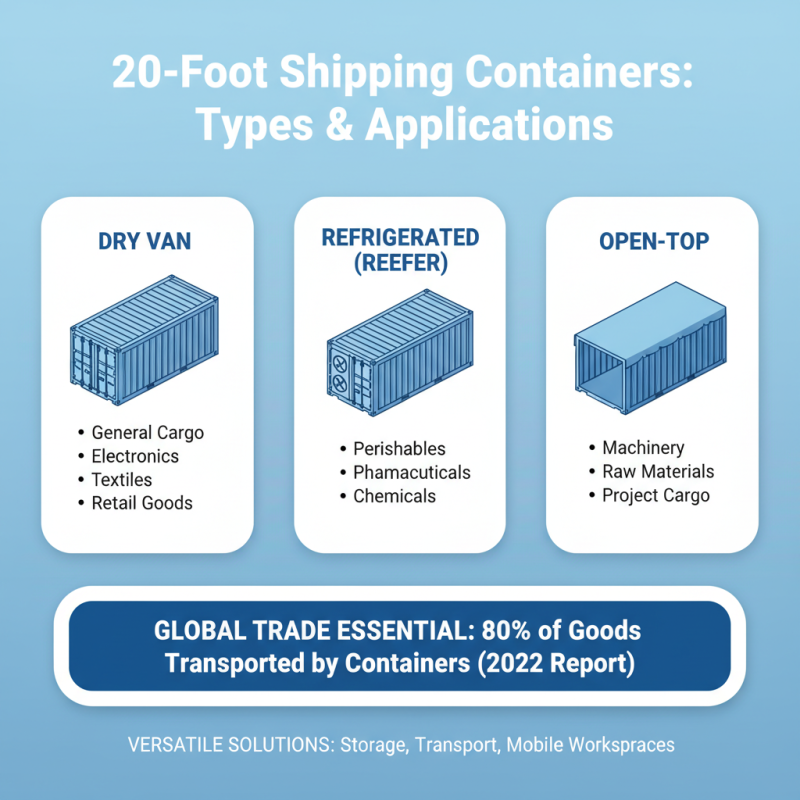
When discussing the types of 20 ft shipping containers, it's vital to understand their applications. These containers are essential for various industries. They serve as storage, transportation, and even mobile workspaces. According to a 2022 industry report, around 80% of global trade relies on containers, showcasing their significance.
There are several types of 20 ft containers. The standard dry container is the most common. It’s durable and ideal for general cargo. Refrigerated containers, or reefers, maintain a controlled temperature. They are critical for transporting perishables. Additionally, high cube containers offer extra height, maximizing storage capacity. Despite their many uses, not all containers are suitable for every purpose. Poor maintenance can lead to issues, like moisture and pest infestation.
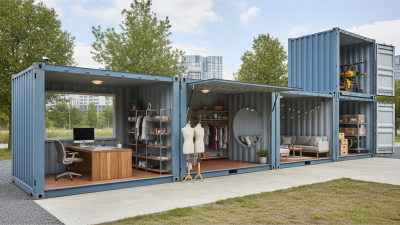
The versatility of shipping containers is remarkable. They can be converted into offices, homes, and pop-up shops. A study reveals that over 25% of modified containers face structural challenges due to improper conversions. This highlights the need for careful planning and design. Innovative as they may be, the potential for misuse often calls for reflection on best practices.
Common Uses of 20 ft Shipping Containers in Various Industries
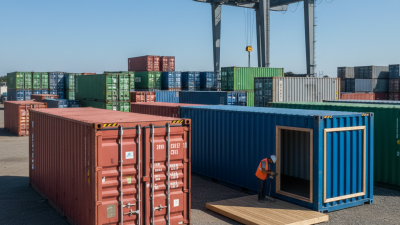
20 ft shipping containers are versatile solutions in many industries. They serve multiple purposes, making them essential for businesses. In construction, these containers provide secure storage for tools and materials. They withstand harsh weather and protect valuable equipment.
In retail, companies use them as pop-up shops or mobile storage units. These containers are easy to transport. They can be modified to include windows and doors, making them attractive for customers. However, some businesses underestimate their storage capacity, leading to overcrowding.
Food service has also embraced these containers. They can convert into mobile kitchens or food stalls. This innovative use maximizes space and allows for flexibility. But not all containers are suited for food safety. Careful consideration of maintenance and cleanliness is crucial. Each industry finds creative uses for 20 ft shipping containers, yet challenges remain. Adapting to unique needs is vital for success.
Advantages of Choosing 20 ft Shipping Containers
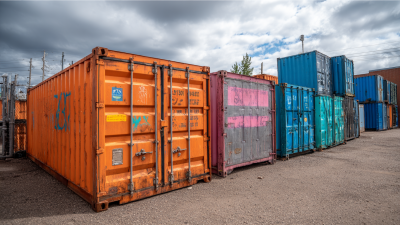
Choosing a 20 ft shipping container comes with notable advantages. These containers are versatile, making them suitable for various applications. They can serve as storage units for personal items, tools, or even seasonal equipment. Their size makes them manageable and easy to relocate when necessary.
Another appealing feature is their durability. Made from robust steel, they can withstand harsh weather conditions. However, some users may overlook maintenance, which is essential for longevity. A few scratches or rust spots can develop over time. Regular checks can prevent bigger issues.
Moreover, 20 ft containers are often more affordable than larger models. This cost-effectiveness allows individuals and businesses to maximize their investments. Still, potential buyers should be cautious. Sometimes, old containers look appealing but may incur hidden costs for repairs. Investing in quality is crucial for long-term use.
Customization Options for 20 ft Shipping Containers
When it comes to 20 ft shipping containers, customization options are vast. These containers are not just for shipping anymore; they can serve various purposes. Homeowners often convert them into unique storage solutions. Urban spaces use them as pop-up shops or cafes. Schools even turn them into classrooms or libraries.
The customization process can range from simple modifications to complex designs. Adding windows, doors, or ventilation is common. Insulation materials may be needed for different climates. Some choose vibrant colors or custom artwork for aesthetic appeal. However, it’s important to consider how these changes will affect the container's functionality. Not every alteration enhances the intended use.
Reflecting on customization choices is vital. Sometimes, less is more. A straightforward design could be more cost-effective. Overspending on intricate features may lead to regret later. Always think about long-term goals. Will the container still meet your needs in a few years? Practicality should balance creativity.
2026 Top Types of 20 ft Shipping Container and Their Uses
This chart illustrates the frequency of usage for different types of 20 ft shipping containers in 2026. The standard dry container remains the most commonly used, followed by refrigerated containers, open tops, flat racks, and high cubes. This visualization helps in understanding the market preference and application areas for each container type.
Future Trends in the Use of 20 ft Shipping Containers
The future use of 20 ft shipping containers is evolving rapidly. As industries shift, these containers are finding new roles beyond traditional transport. They are being converted into homes, pop-up shops, and even offices. This versatility is appealing. However, not every conversion is successful. Some designs fail to consider insulation or plumbing issues, leading to dissatisfaction.
Sustainability is another trend pushing the use of these containers. Companies are looking for eco-friendly alternatives for buildings. Repurposing containers reduces waste and the carbon footprint. Yet, the materials used in vintage containers can sometimes be hazardous. Careful consideration must be taken before any project begins.
Additionally, container modifications are becoming popular for temporary solutions. They are ideal for construction sites or festivals. But, it’s important to think about durability. Some modifications may not stand the test of time. More research is needed to ensure longevity. As we look to the future, continuous improvement and innovation will shape how we utilize these containers.
2026 Top Types of 20 ft Shipping Container and Their Uses
| Container Type |
Key Features |
Common Uses |
Future Trends |
| Standard Dry Container |
Weatherproof, secure, stackable |
General cargo, transportation of goods |
Increased demand for sustainable materials |
| Refrigerated Container |
Temperature-controlled, insulated |
Transporting perishable goods |
Growing demand for fresh produce |
| Open Top Container |
Removable tarpaulin roof, tall materials |
Transporting oversized cargo |
Increased use for construction materials |
| Flat Rack Container |
No sides or roof, easy access |
Transporting heavy machinery, vehicles |
Rise in e-commerce logistics |
| Side Door Container |
Access from the side, easier loading |
Retail operations, quick access storage |
Expanding retail and e-commerce sectors |