2026 Top Sea Container Trends Every Global Buyer Should Know?
In the fast-evolving world of global trade, staying informed about sea container trends is crucial for buyers. According to recent reports from the International Maritime Organization, over 90% of international trade is facilitated by sea containers. The efficiency of this mode of transport underscores its significance in supply chain management. However, the industry faces challenges, such as increasing shipping costs and environmental concerns, which impact strategic decisions.
Emerging trends highlight a shift towards sustainability and digitalization. Sustainable practices in sea container logistics can reduce carbon footprints significantly. A report by McKinsey indicates that adopting green technologies could lead to a 30% reduction in emissions in the shipping sector. Still, many companies are struggling to implement these changes effectively.
Additionally, the rise of e-commerce demands greater flexibility in sea container usage. Savvy buyers must adapt to changing customer expectations while also addressing regulatory pressures. The landscape is complex, urging stakeholders to rethink traditional approaches. The journey towards innovation is not without its hurdles, but understanding these trends is vital for competitive advantage.

The Rise of Eco-Friendly Container Design in 2026 Shipping Practices
In 2026, the shipping industry continues to evolve, with eco-friendly container design taking center stage. Sustainable materials are now preferred for shipping containers. This shift not only reduces carbon footprints but also meets growing customer expectations for environmentally responsible practices. Manufacturers are experimenting with recycled plastics and biodegradable materials, which are lighter and more efficient than traditional options.
Moreover, innovative designs focus on maximizing space while minimizing waste. Some containers now utilize modular designs to improve cargo efficiency. However, the industry still faces challenges. Not all materials are equally durable, and recycling processes vary globally. There’s a need for standardized practices in eco-friendly container production. This inconsistency raises questions about reliability.
As eco-conscious consumerism rises, companies must balance profits and sustainability. The push for greener alternatives often tests the limits of technology. While advancements are promising, it is clear that continuous effort is needed. Addressing these challenges will guide the industry's future, paving the way for shipping practices that are both effective and environmentally sound.
2026 Eco-Friendly Container Design Trends
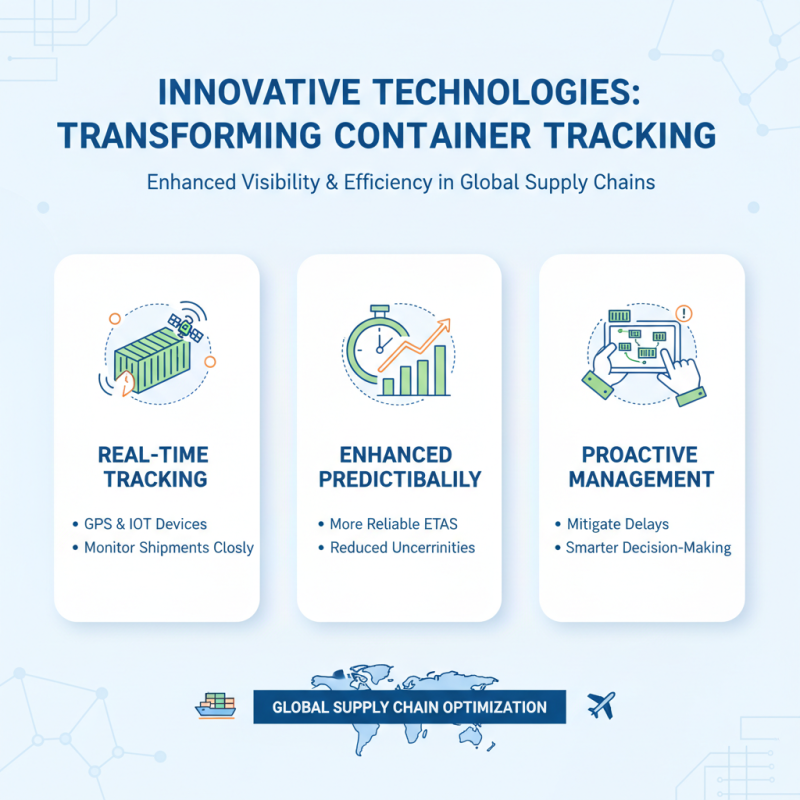
Innovative Technologies Transforming Container Tracking and Management
The landscape of sea container tracking and management is rapidly changing. Innovative technologies are paving the way for enhanced visibility and efficiency in global supply chains. Real-time tracking solutions utilize GPS and IoT devices, enabling buyers to monitor shipments closely. With these advancements, shipments are more predictable and delays can be managed more effectively.
However, not all companies have adopted these technologies. Many still rely on outdated methods. This gap can lead to inefficiencies and lost opportunities. Embracing new solutions is essential to stay competitive. Buyers should actively seek out platforms that offer integrated systems for greater control over their logistics.
Tip: Prioritize technology that provides analytics. Data-driven insights can reveal trends, helping to optimize shipping routes. This can result in cost savings and improved service. Also, consider training staff to use these new tools effectively. Investing in your team will ensure smoother operations and better decision-making.
Impact of Global Trade Regulations on Container Supply Chain Dynamics
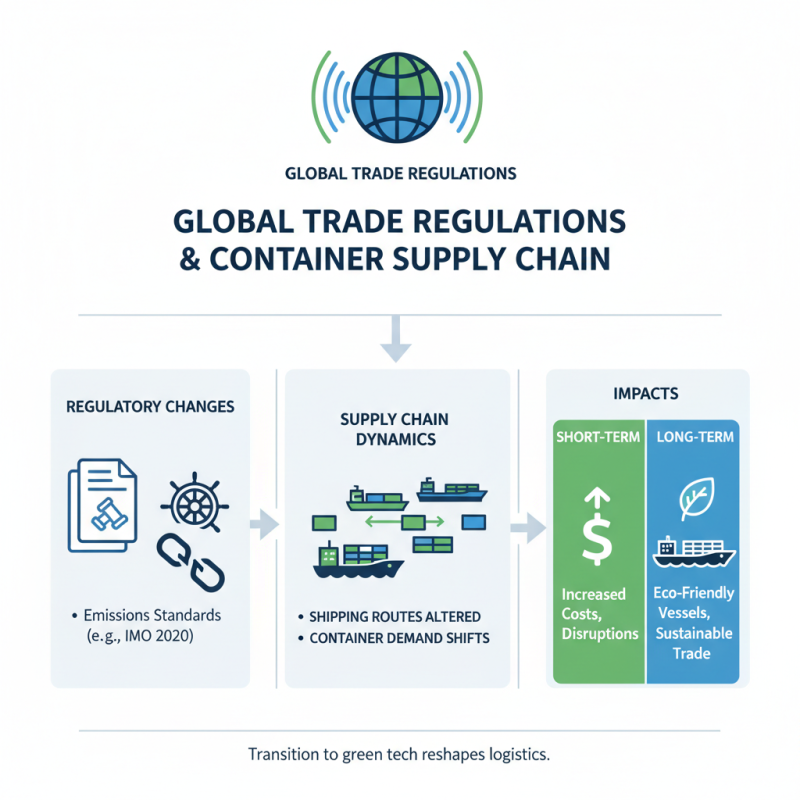
Global trade regulations are constantly evolving, shaping the dynamics of the container supply chain. Regulatory changes impact shipping routes and demand for containers. For instance, stricter emissions regulations push shippers to invest in eco-friendly vessels. This transition can disrupt supply and increase costs in the short term.
Additionally, tariffs and trade agreements directly affect container availability. Rising tariffs may lead to shifts in trade flows, causing unpredictable patterns in container use. Buyers need to stay informed about these changes. Understanding the implications of trade policies helps businesses optimize inventory strategies. Real-time analytics become crucial in adapting to these shifts effectively.
Moreover, compliance with new regulations may require enhanced documentation and reporting practices. This can add complexity to logistics operations. Companies must reassess their partnerships to ensure they align with emerging standards. As regulations tighten, flexibility and responsiveness in the container supply chain become key assets. Embracing these challenges may unlock new opportunities for growth.
The Shift Towards Automation in Container Ports: Trends and Statistics
The shift towards automation in container ports is reshaping the shipping industry. Automated systems enhance efficiency and reduce human error. Ports are increasingly adopting robotics and AI-driven solutions. These advancements allow for real-time monitoring of containers, optimizing operations in busy environments.
Consider that 2026 will see a further increase in automatic cranes and automated guided vehicles (AGVs). By embracing these technologies, ports can improve turnaround times and lower operational costs. However, not every port is ready for this transition. The initial investment can be daunting for smaller facilities. Some may struggle to recruit skilled workers for maintenance and programming.
Tip: Assess the readiness of your supply chain before investing in automation. Identify bottlenecks that automation could potentially resolve. Engage with technology consultants to clarify the feasibility of implementation. It’s vital to approach automation with a well-informed strategy to avoid costly mistakes. Balancing innovation with practical execution is key to navigating this evolving landscape.
Sustainable Shipping Solutions: The Growing Demand for Green Containers
The demand for green containers is rising rapidly as the shipping industry faces increasing pressure to adopt sustainable practices. Consumers today are more environmentally conscious. They expect businesses to reduce their carbon footprints. This shift is leading companies to explore eco-friendly shipping options.
Sustainable shipping solutions often involve the use of renewable materials. For instance, manufacturers are experimenting with biodegradable components. This effort minimizes waste. However, the transition to green containers is not without challenges. Some new materials are still in the experimental phase. Their durability and cost-effectiveness remain uncertain.
Another aspect is energy-efficient transportation. Shipping companies are looking into alternative fuels. This could mean using biofuels or electric-powered ships. The infrastructure for these options is still developing. This slow progress can hinder widespread changes. Ultimately, while the movement towards sustainable shipping is promising, it also requires significant investment and innovation. Consumers and businesses alike must remain patient and adaptable as the industry evolves.
2026 Top Sea Container Trends Every Global Buyer Should Know - Sustainable Shipping Solutions
| Trend |
Description |
Impact on Shipping |
Sustainability Aspect |
| Green Containers |
Rising use of eco-friendly materials in container manufacturing. |
Reduces carbon footprint in shipping operations. |
Utilization of recycled materials and lower emissions. |
| Smart Containers |
Integration of IoT technology for real-time tracking. |
Increases operational efficiency and reduces loss. |
Optimizes resource usage through real-time data analytics. |
| Modular Container Design |
Containers designed to be easily assembled and disassembled for versatility. |
Allows for flexible shipping solutions and reduces empty trips. |
Enhances recyclability and maximizes space efficiency. |
| Energy-Efficient Transport |
Adoption of energy-efficient ships and logistics practices. |
Significantly lowers fuel consumption and operational costs. |
Contributes to global efforts in carbon reduction. |
| Sustainable Supply Chain Practices |
Focus on ethical sourcing and environmentally friendly practices. |
Boosts brand image and opens new markets. |
Promotes sustainability across all levels of production. |