2026 Top Digital Acrylic Sign Board Manufacturers
A Digital Acrylic Sign Board combines a clear or colored acrylic face with digital display technology, creating a polished surface for retail, hospitality, and corporate spaces. Buyers comparing the 2026 Top Digital Acrylic Sign Board Manufacturers should look beyond brightness claims. Ask about viewing angle, heat management, edge finishing, service access, and how the panel performs under real store lighting. Small details matter. A bright screen can still disappoint if reflections obscure the message.
MarketsandMarkets estimated the global digital signage market at USD 27.8 billion in 2024 and projected growth to USD 40.2 billion by 2029. That report covers digital signage broadly, not acrylic boards alone, so it should not be mistaken for an acrylic-specific forecast. Keith Kelsen, author of Unleashing the Power of Digital Signage: Content Strategies for the 5th Screen, puts content strategy at the center of effective signage. His framing offers a useful reminder: the display is only part of the result. Still, acrylic is not magic. Poor installation, weak content, or difficult maintenance can undermine an otherwise attractive board. This guide examines manufacturers through practical criteria, including customization, materials, display performance, production capability, and after-sales support, helping readers judge which supplier fits their project rather than simply choosing the most polished product image.
What Digital Acrylic Sign Boards Are and How They Work
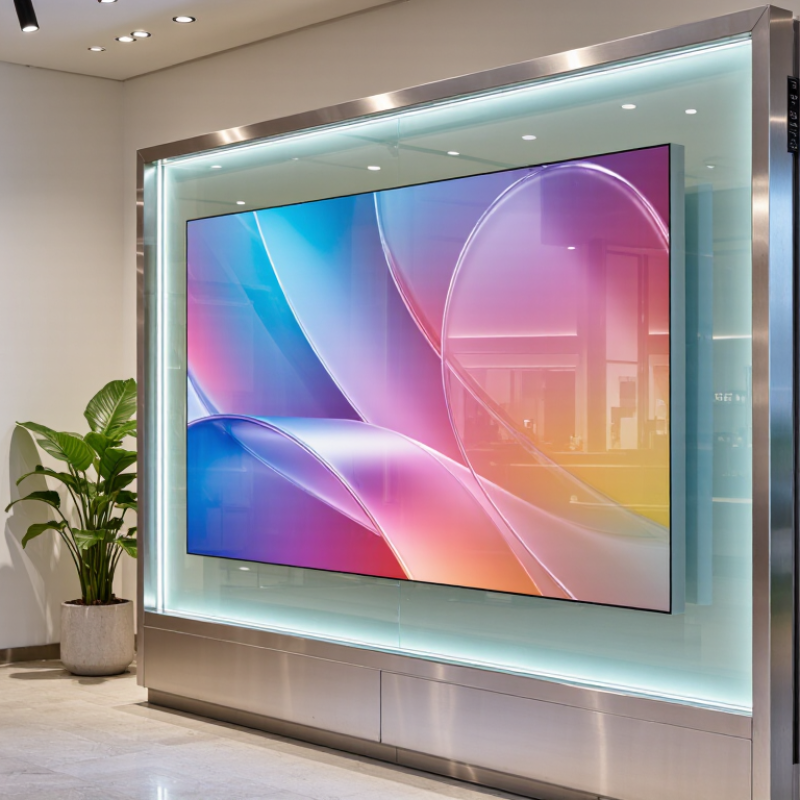
A digital acrylic sign board uses a clear or colored acrylic panel as its visible face, paired with LEDs and electronic controls. Unlike a printed sign, it can display changing text, graphics, or simple animations. The acrylic may be engraved, printed, or layered to guide light through selected areas. Think of a shop panel glowing around white lettering while the surrounding surface stays dark. It looks simple from the front. Inside, the parts need careful alignment.
In an edge-lit design, LEDs sit along one or more panel edges. Light travels through the acrylic and scatters at engraved or treated sections, making those areas appear bright. Other designs use LEDs behind the panel, which can produce more even illumination but need space for light to spread. A controller sends stored or scheduled content to the display, while a power supply feeds the LEDs. Brightness, viewing distance, and room lighting all affect legibility. Small text can disappear across a bright storefront.
The material is durable, but not flawless. Dust, scratches, uneven lighting, and heat can affect appearance over time. Installation details matter. A well-made board should balance visibility with comfortable brightness, and its content should remain readable from the distance people actually view it.
Key Factors for Evaluating Manufacturers in 2026
When comparing digital acrylic sign board manufacturers in 2026, clarify what “digital” means in each quotation. It may include LED modules, a controller, printed graphics, or only the acrylic panel. Ask for a sample built with the proposed materials, not a showroom piece with different specifications. Details matter.
Check acrylic thickness, edge finishing, color consistency, and how evenly light spreads across the face. Request measured brightness and power data, plus photos of illuminated samples in a dim room. A tiny bright spot can look acceptable in a catalog but distracting on a shop wall. Ask how the manufacturer checks color and fit between production batches. Written inspection records are more useful than a general promise of quality.
Review the installation drawings, cable access, mounting points, and replacement process before approving production. Ask about warranty coverage, spare parts, and response times, and get each commitment in writing. If the supplier cannot explain how it protects panels during packing, that is worth investigating. Not every factory will provide perfect documentation; that gap deserves a second look. You may need to compare a few imperfect samples before choosing, because finish quality can vary even when specifications match.
Profiles of Leading Digital Acrylic Sign Board Manufacturers
Profiles of leading digital acrylic sign board manufacturers reveal three useful strengths: optical clarity, precise fabrication, and dependable display integration. Grand View Research valued the global digital signage market at USD 28.83 billion in 2023 and projected an 8.1% compound annual growth rate from 2024 to 2030. That figure covers digital signage broadly, not acrylic boards alone, so buyers should compare specifications rather than rely on market growth claims.
Strong manufacturers specify acrylic thickness, light transmission, pixel pitch, and operating brightness clearly. Their sample boards should show clean edges, even illumination, and legible text from the intended viewing distance. Ask how they manage heat around LED components; warm spots can distort appearance over time. Small details matter. Some suppliers excel at custom shapes but offer limited display testing. That trade-off deserves attention, and product photos alone cannot confirm long-term performance.
Tips: Request a physical sample and a written test report. Check color consistency under both indoor lighting and daylight. Confirm whether replacement modules and technical support are available. A polished finish helps, but service access matters too. Compare warranties carefully; the wording can be less clear than the display itself.
How to Compare Product Quality, Customization, and Support
2026 Top Digital Acrylic Sign Board Manufacturers
How to Compare Product Quality, Customization, and Support
Treat quality as something you can inspect, not just a catalog claim. Ask for a sample with the specified acrylic thickness, polished edges, printed colors, and LED layout. Check it in daylight and dim indoor lighting; hotspots can hide in showroom photos. Request material specifications, color-matching methods, and an inspection checklist. Small details matter. Grand View Research valued the global digital signage market at USD 28.83 billion in 2023 and forecast an 8.1% compound annual growth rate from 2024 to 2030. That forecast signals broader adoption, not better products. Verify claims against samples and test records.
Customization depends on how clearly a manufacturer documents changes. Send a dimensioned drawing and ask how cutouts, mounting points, brightness, and cable exits affect price and lead time. Confirm that the pre-production proof reflects viewing distance and ambient light. A render is not enough. Compare support response times, warranty exclusions, spare-part availability, and installation guidance. Ask for a named contact and a written escalation path. One detail is easy to miss: a low-cost board can become expensive when replacement panels or remote troubleshooting take too long. I would also check how packaging protects acrylic corners in transit. Keep answers in a comparison sheet; vague promises should count as risk, not value.
2026 Top Digital Acrylic Sign Board Manufacturers: How to Compare Product Quality, Customization, and Support
A practical checklist for comparing manufacturers using verifiable evidence rather than brand claims.
How to use this chart: Each category contains five checks to request when evaluating a supplier. For quality, verify material grade, thickness, finish, print or edge durability, and electrical safety for illuminated signs. For customization, check size, shape, graphics, mounting, and lighting options. For support, check proof approval, lead-time details, shipping protection, warranty terms, and after-sales service. The bars count checklist items; they are not supplier ratings.
Emerging Trends in Digital Acrylic Sign Board Manufacturing
2026 Top Digital Acrylic Sign Board Manufacturers
Emerging Trends in Digital Acrylic Sign Board Manufacturing
Digital acrylic sign manufacturing is moving toward thinner displays, sharper edge lighting, and more adaptable production. MarketsandMarkets estimated the global digital signage market at USD 27.8 billion in 2023, with a projected USD 38.8 billion by 2028. This forecast signals wider demand, though it does not measure acrylic boards alone. Manufacturers are responding with modular panels and precision-cut acrylic that can carry light evenly across fine lettering. Small details matter. A rough edge can create visible hotspots.
Another growing trend is combining digital displays with printed or engraved acrylic layers. This lets a sign show changing content while keeping tactile finishes, such as frosted lettering or a raised border. Automated cutting and inspection can improve consistency, especially across large batches. Yet automation is not a cure-all: a poorly calibrated light source may still produce uneven color. Buyers should ask for samples viewed in the intended lighting, not just polished studio photographs.
Tips: Check brightness uniformity across the full panel, inspect cut edges, and request operating-temperature details. Ask how replacement parts are handled. A lower quote may conceal a shorter service life.