2026 Top Electrical Enclosure Box Trends Buyers Should Know?
As we approach 2026, the landscape of Electrical enclosure boxes is evolving rapidly. These boxes play a crucial role in protecting electrical components from damage and environmental hazards. Understanding the latest trends in electrical enclosure design is essential for buyers. Innovations include improved materials that enhance durability, safety, and aesthetics.
Sustainability is becoming more important. Manufacturers are exploring eco-friendly options. Additionally, smart technology integration is on the rise. Features like remote monitoring and control systems are becoming standard. Buyers must consider these advancements to ensure efficient operations.
There are challenges as well. Adapting to new trends can require a steep learning curve. Not all suppliers will provide the latest options. It's important for buyers to remain skeptical and conduct thorough research. This can lead to better purchasing decisions in an ever-evolving market.
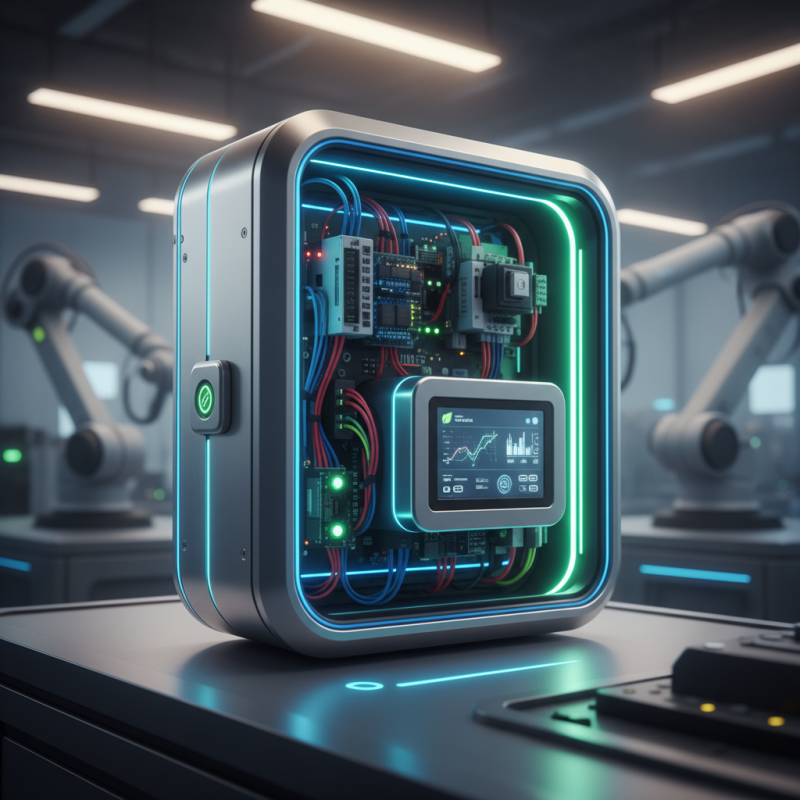
Emerging Materials in Electrical Enclosure Box Design
The design of electrical enclosure boxes is evolving rapidly. Emerging materials are at the forefront of this innovation. Today, manufacturers are exploring lightweight composites and advanced plastics. These materials are not only durable but also resistant to environmental factors. For instance, fiberglass reinforced with specific additives offers excellent protection against corrosion and impact. This is particularly useful in outdoor settings, where exposure to the elements is a concern.
Another intriguing development is the use of biodegradable materials. As sustainability gains importance, the industry is shifting toward eco-friendly solutions. While still in the early stages, these materials have shown promise in maintaining strength while reducing environmental impact. However, challenges remain. The performance of these materials under extreme conditions still needs more research. The industry must balance eco-friendliness with reliability in high-demand environments. Buyers must stay informed about these trends to make knowledgeable purchasing decisions. Understanding the material selection process can lead to better outcomes in performance and sustainability.
Sustainable Innovations in Electrical Enclosure Manufacturing
Sustainable innovations in electrical enclosure manufacturing are reshaping the industry. These advancements focus on eco-friendly materials and energy-efficient processes. Manufacturers are increasingly embracing recycled plastics and metals. This shift not only reduces waste but also lowers carbon footprints. Implementing sustainable practices can lead to long-term cost savings.
The design of enclosures is evolving too. Creative approaches are minimizing energy consumption during production. Some companies are experimenting with modular designs for easy repair and reuse. This is crucial for reducing environmental impact while ensuring durability. However, not all manufacturers are on board with these changes. There is still resistance to fully embracing sustainability in the industry.
Another challenge arises from the need for regulatory compliance. Striking a balance between innovation and meeting safety standards can be tricky. Manufacturers must navigate this landscape carefully. Investing in research can guide better practices, but it requires commitment. Further, consumer awareness is growing, placing pressure on manufacturers to adapt. The journey toward sustainable enclosures is ongoing, filled with both opportunities and hurdles.
Smart Features: Integration of IoT in Electrical Enclosures
The integration of IoT in electrical enclosures is transforming the market. Recent reports indicate that the global smart electrical enclosure market is projected to grow from $1.5 billion in 2022 to $3.6 billion by 2027, with a compound annual growth rate (CAGR) of over 18%. This illustrates a significant shift towards smarter, more efficient designs.
Smart features are enhancing functionality. Modern enclosures now offer real-time monitoring of electrical systems. For example, integrated sensors can track temperature fluctuations and humidity levels, preventing potential malfunctions. Such advancements enhance safety and reliability. However, the complexity of these features raises concerns about cybersecurity. As more devices connect, the risk of vulnerabilities increases.
Users must consider compatibility when selecting these enclosures. Not all brands may offer seamless integration, which can lead to operational challenges. Choosing the right sensors and protocols is crucial, as poorly chosen components can result in performance issues. Manufacturers are urged to prioritize user-friendly, secure platforms to address these concerns effectively.
Trends in Customization for Electrical Enclosure Boxes
Customization in electrical enclosure boxes is gaining traction. Buyers seek solutions tailored to specific needs. Factors such as size, material, and protection ratings are crucial. Each application may require a different approach. Custom enclosures can enhance both aesthetics and functionality.
When choosing customization, consider how the enclosure will be used. Will it be indoors or outdoors? What environmental factors need addressing? These questions guide decisions. A well-thought-out design can improve durability.
Tips: Always prioritize practicality. A striking design is tempting, but ensure it meets safety standards. Discuss your needs with manufacturers. Collaboration can yield better results. Remember, every detail counts in ensuring product reliability. Stay informed about trends in materials and technology to remain competitive.
Regulatory Changes Impacting Electrical Enclosure Standards
Regulatory changes are shaping the electrical enclosure market. New standards aim to improve safety and environmental compliance. According to a recent report by the International Electrotechnical Commission (IEC), updated guidelines are becoming critical for manufacturers. Enclosure designs must now meet more stringent requirements. These adjustments reflect the growing demand for reliable and efficient electrical systems.
In 2026, users should expect significant shifts in the electrical enclosure standards due to these changes. For example, impact resistance ratings and thermal management are under review. The rise in renewable energy technologies is also influencing these standards. An estimated 30% of electrical enclosure applications will incorporate these innovations. Companies may face challenges in adapting their products to comply while maintaining cost-effectiveness.
Manufacturers must stay informed about local and global regulations. This is crucial for avoiding compliance issues and legal repercussions. Many companies are investing in research to anticipate upcoming changes. Some are struggling to keep pace with rapid advancements. As standards evolve, organizations may need to refine their approach to meet safety and sustainability goals.
2026 Top Electrical Enclosure Box Trends Buyers Should Know
| Trend | Impact | Regulatory Change | Standardization Status |
| Sustainable Materials | Increased demand for eco-friendly products | New environmental regulations promoting green materials | In development |
| Smart Technology Integration | Enhanced functionality and remote monitoring | Updated safety regulations for IoT devices | Prevalent |
| Increased Customization | Ability to meet specific customer needs | Regulations on bespoke manufacturing processes | In effect |
| Enhanced Durability | Longer product lifespan and reduced failure rates | Stricter testing protocols established | Established |
| Compact Designs | Space efficiency in installations | Guidelines for size limitations | In development |