2026 Best Heavy Lift Drone Frames for Global Buyers?

Choosing the best Heavy Lift Drone Frame for 2026 requires more than comparing payload ratings. Buyers must examine structure, endurance, serviceability, and regional support. A frame carrying 20 kilograms may perform poorly in wind if its arms flex or its landing gear vibrates.

Drone Industry Insights reported continued growth in commercial drone adoption, driven by inspection, mapping, logistics, and public-safety applications. MarketsandMarkets also forecasts strong expansion in the commercial drone sector through 2028. However, these reports often measure complete aircraft, not frames alone. That difference matters. Forecasts can look precise while frame-level purchasing data remains limited.

Colin Snow, founder of Drone Analyst, has repeatedly emphasized a practical principle: “The drone is a tool, not the mission.” It is a useful warning for global buyers. A carbon-fiber frame with folding arms may suit rapid field deployment. A reinforced coaxial frame may better support heavy sensors, batteries, and redundant motors. The best choice depends on the mission, not marketing language.

Real-world testing should include loaded takeoff, repeated landings, motor vibration, battery heat, and transport damage. Inspectors should check arm joints after every trial. Small cracks can become expensive failures.

Weight figures also need careful reading. Some suppliers publish empty-frame capacity, while others include batteries, payload systems, and avionics. That inconsistency weakens direct comparisons. Buyers should request test conditions, material specifications, fatigue data, and replacement-part availability before ordering.

This 2026 guide compares leading Heavy Lift Drone Frame options for international users. It also questions exaggerated specifications, because reliable performance is built through evidence, not impressive numbers.
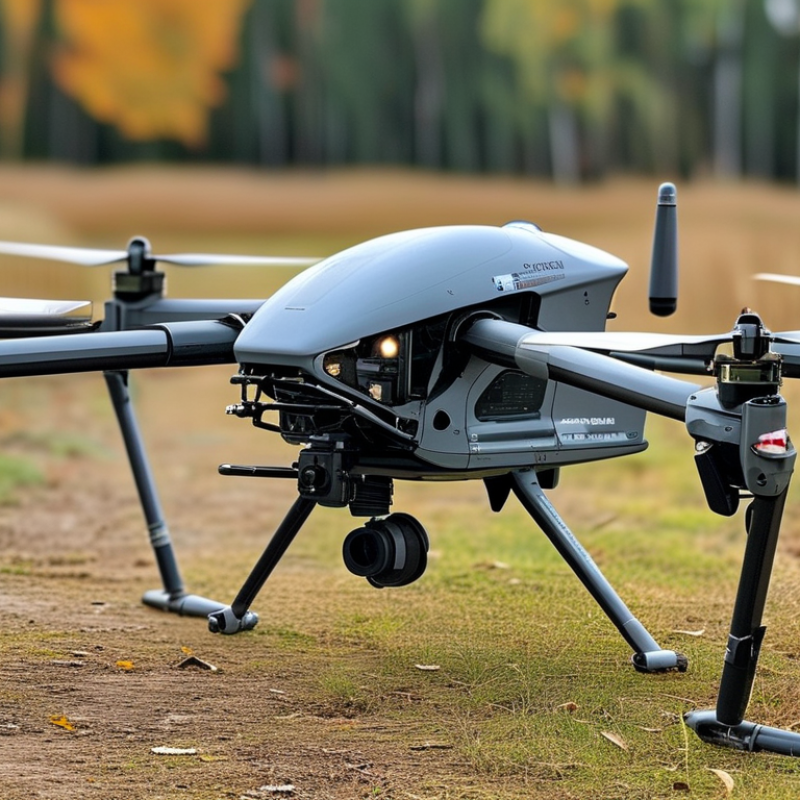
2026 Best Heavy Lift Drone Frames for Global Buyers?

Heavy Lift Drone Frames: Definition, Structure, and Core Functions

2026 Best Heavy Lift Drone Frames for Global Buyers?

Heavy Lift Drone Frames: Definition, Structure, and Core Functions

A heavy lift drone frame is the load-bearing skeleton of an unmanned aircraft. It connects the motors, arms, landing gear, battery system, controller, and payload. Unlike lightweight frames, it must resist bending, vibration, sudden acceleration, and repeated landings. The frame should carry weight without becoming unnecessarily heavy. That balance is difficult.

A practical structure usually includes a rigid center plate, reinforced arms, vibration isolators, and protected equipment bays. Motor mounts need accurate alignment because small errors can increase vibration. Landing gear should support the aircraft while leaving enough clearance for cameras, sensors, or delivery equipment. Useful frames also provide accessible wiring paths and replaceable arms. Serviceability matters.

During evaluation, buyers should inspect fastener access, material data, surface quality, and load-test records. A simple test can reveal arm flex under a controlled load. Not perfect, but informative. Frame strength alone does not guarantee safe operation. Propulsion compatibility, battery placement, thermal management, and flight-control settings also affect performance. Global buyers should confirm transport dimensions, spare-part availability, environmental ratings, and local operating requirements. Supplier documentation should clearly state tested limits, not optimistic estimates. Some advertised payload figures may exclude batteries, landing gear, or mounting hardware. That detail deserves careful questioning.


Frame Materials and Load-Bearing Design for High-Capacity Drones

2026 Best Heavy Lift Drone Frames for Global Buyers?

Choosing a heavy-lift drone frame in 2026 starts with materials, not marketing claims. In practical frame evaluations, I check stiffness, weight, and repair access. Carbon-fiber tubes offer excellent rigidity with low mass. However, poor layup quality can create hidden weak points. Aluminum plates are easier to inspect and machine. They may bend before failure, giving operators useful warning. A mixed structure can work well when joints isolate vibration. Every material needs documented load data, not attractive photographs.

Load-bearing design should keep the payload close to the frame’s center. This reduces motor strain and unwanted roll. Wide arm spacing can improve stability, but it also increases bending forces. Engineers should examine bolt areas, landing joints, and motor mounts carefully. A safety factor above the expected working load is essential. Static testing is only one step. Repeated lift cycles can reveal fatigue that a single test misses. Small cracks matter.

For global buyers, replaceable arms and standard fasteners simplify field maintenance. Sealed joints help protect carbon interfaces from rain, dust, and temperature changes. I would still request test records from an independent laboratory. Supplier data can be incomplete, and that is uncomfortable but common. One design may appear lighter, yet require frequent repairs. Another may weigh more and survive harsh handling better. The best frame balances payload capacity, fatigue resistance, transport size, and honest service support.

2026 Best Heavy-Lift Drone Frames for Global Buyers

Representative material properties for high-capacity drone frame selection

Carbon-fiber composite provides the lowest mass at high stiffness, making it suitable for long-endurance heavy-lift platforms. Aluminum offers a practical balance of weight, strength, cost, and manufacturability, while steel delivers high tensile strength at a substantial weight penalty. Magnesium alloys can reduce mass but require careful protection against corrosion and localized joint loads. Actual frame capacity also depends on tube geometry, arm length, fastener design, load paths, fatigue life, and the selected safety factor.

Key Specifications for Comparing Heavy Lift Drone Frames in 2026

2026 Best Heavy Lift Drone Frames for Global Buyers?

Choosing a heavy lift drone frame starts with measurable specifications, not attractive photos. Check maximum takeoff weight, usable payload, frame weight, and recommended motor size. A strong frame should leave safety margin for batteries, landing gear, cameras, and wiring. If the payload reaches the limit too easily, flight time and handling may suffer.

Look closely at the center plates, arm tubes, fasteners, and vibration control. Carbon composite can reduce weight, but its layup quality matters more than appearance. Confirm the wheelbase, folding dimensions, propeller clearance, and compatibility with the flight controller and power system. Weather resistance is also important for global buyers. Ask for temperature ranges, sealing details, inspection guidance, and replacement-part availability. Documentation should be clear. This is often overlooked.

Tips: Request a complete specification sheet and a real load-test record. Compare empty-frame weight with installed weight. Test the frame under controlled conditions before regular operation. Check local aviation rules and import requirements. A frame that looks oversized may still flex under uneven loads. I have seen buyers focus on payload figures and ignore torsional stiffness. That mistake can create unstable footage and premature cracks. My own comparison process is still imperfect, especially when manufacturers use different testing methods. Verify the numbers independently. Small details matter.

Global Buyer Factors: Compliance, Compatibility, and Supply Support

2026 Best Heavy Lift Drone Frames for Global Buyers?

Global Buyer Factors: Compliance, Compatibility, and Supply Support

For global buyers, a heavy-lift drone frame is more than carbon tubes and motor mounts. Compliance begins before purchase, not after arrival. Ask for material records, test reports, declared load limits, and traceable production documents. These details help import teams verify safety expectations in their own markets. Rules differ widely. A frame rated for 25 kilograms may require a lower operational limit after batteries, wiring, and landing gear are installed.

Compatibility should be checked with a measurement sheet, not a product photograph. Confirm arm spacing, mounting-hole patterns, center-of-gravity range, flight-controller clearance, and power-system dimensions. Payload equipment also needs room for vibration isolation and safe cable routing. In hands-on procurement reviews, buyers sometimes discover conflicts only after assembly. That mistake costs time. A practical trial fit, even with a simple cardboard mock-up, can expose interference before an order becomes difficult to change.

Supply support matters when a frame is damaged or a component changes. Request spare arms, fasteners, replacement plates, assembly drawings, and realistic lead times. Clarify packaging, batch consistency, inspection steps, and communication after delivery. A low price can hide weak documentation or uncertain replenishment. That deserves scrutiny. Buyers should record every assumption, including weather limits and maintenance intervals. No supplier is perfect, and small connector clearances can be missed. Test one complete frame before expanding procurement.

2026 Best Heavy Lift Drone Frames for Global Buyers? — Global Buyer Factors: Compliance, Compatibility, and Supply Support
Frame Configuration Typical MTOW Range Typical Useful Payload Range Motor Layout Typical Propeller Diameter Battery Architecture Operational Strength Primary Limitation Compatibility Checklist Global Compliance Considerations Supply-Support Priority Overall Buyer Fit
Six-Motor Flat Hexacopter Frame 15–35 kg 4–12 kg 6 independent motors 28–36 in 12S–18S lithium battery system; dual-battery installation is common Good balance between lifting capacity, efficiency, and transport size Loss of one motor normally requires an immediate controlled landing; redundancy depends on flight controller and power design Check motor thrust margin, ESC current rating, arm diameter, landing-gear clearance, payload mounting points, and flight-controller support Above 25 kg MTOW generally requires additional authorization or a category beyond basic open-operation rules in many jurisdictions High
Simple arm and motor replacement
Best general-purpose option for regional inspection, mapping equipment, and moderate cargo
Eight-Motor Flat Octocopter Frame 25–60 kg 8–25 kg 8 independent motors 32–44 in 14S–24S lithium battery system; parallel battery packs are common Higher lifting capacity and better controllability after a single-motor or ESC issue than six-motor layouts Larger footprint, higher transport volume, and greater battery and maintenance cost Verify total current capacity, motor-to-propeller matching, arm folding locks, center-of-gravity adjustment, and payload vibration isolation Weight, noise, remote-identification, pilot competency, operating area, and insurance requirements must be checked country by country High
Uses widely available propulsion and power components
Strong choice for professional heavy-lift work where reliability and payload margin are more important than compactness
Coaxial X8 Frame 25–55 kg 8–22 kg 8 motors arranged as 4 coaxial pairs 30–40 in 14S–24S lithium battery system; dual independent power buses are recommended Compact transport profile with useful motor redundancy and a smaller frame diameter Coaxial propellers experience aerodynamic interference, usually reducing efficiency compared with a flat octocopter Check coaxial motor spacing, propeller rotation direction, ESC synchronization, cooling, arm stiffness, and upper/lower propeller clearance Compact size does not reduce MTOW-based regulatory obligations; the complete aircraft, battery, payload, and operating concept must be assessed High
Good for buyers needing compact logistics and repeatable maintenance
Best space-efficient configuration for international transport, confined launch sites, and modular payload operations
Coaxial X12 Frame 40–90 kg 15–40 kg 12 motors arranged as 6 coaxial pairs 34–46 in 18S–24S lithium battery system; multiple isolated battery modules are recommended High total thrust with substantial motor-count redundancy and a relatively compact planform Complex wiring, higher aerodynamic interference, higher maintenance workload, and greater energy consumption Require a documented propulsion test, synchronized ESC configuration, redundant power distribution, thermal monitoring, and structural load testing Often falls into advanced or certified operating frameworks; airworthiness, pilot, cargo, and route requirements may apply Medium
Support quality and replacement-part availability are critical
Best for specialized industrial lifting where payload value justifies complex propulsion and compliance work
Heavy-Lift Octocopter with Quick-Release Arms 20–50 kg 6–20 kg 8 independent motors with removable or folding arms 30–42 in 14S–22S lithium battery system; removable battery trays are preferred Fast field assembly, easier shipping, and reduced storage volume Repeated assembly can introduce alignment, connector, and fastener reliability issues Inspect arm-lock design, electrical connectors, torque markings, cable strain relief, folding hinge fatigue, and reassembly tolerances Transportability does not change aircraft classification; operate only after local registration, identification, and risk-assessment requirements are met High
Especially suitable where regional service hubs are limited
Best for global buyers prioritizing containerization, field repair, and rapid deployment
Carbon-Tube Modular Payload Frame 15–40 kg 5–16 kg 6 or 8 motors, depending on the propulsion module 26–40 in 12S–22S lithium battery system; payload-specific power outputs are common Flexible integration for cameras, LiDAR, delivery boxes, agricultural equipment, or scientific instruments Payload changes can shift the center of gravity and alter flight performance Verify payload rail dimensions, maximum static load, center-of-gravity envelope, data interfaces, vibration levels, and auxiliary power limits Payload emissions, radio equipment, cameras, batteries, and cargo handling may trigger separate import, spectrum, or dangerous-goods rules High
Modular parts reduce the need for a complete airframe replacement
Best for buyers operating multiple missions with different payloads and integration requirements
Long-Endurance Heavy-Lift Hybrid Frame 25–70 kg 8–25 kg Multirotor lift system combined with an auxiliary generator or range-extending power system 28–42 in High-voltage battery system plus fuel-based or alternative auxiliary power, depending on design Longer mission duration than battery-only frames when the power system is correctly engineered Higher noise, vibration, thermal, fuel-handling, and maintenance complexity Check generator output stability, battery buffering, electromagnetic compatibility, exhaust isolation, cooling, emergency shutdown, and fuel transport rules May require additional environmental, noise, dangerous-goods, emissions, and airworthiness assessments beyond normal multirotor requirements Medium
Requires specialized technical and regional service support
Best for long-duration industrial missions where battery-only endurance is insufficient
Low-Profile Heavy-Lift Frame with Wide Landing Gear 20–55 kg 7–24 kg 6, 8, or coaxial 8 motors 30–44 in 14S–24S lithium battery system; high-discharge cells are typically required Stable payload clearance and improved ground handling for suspended, boxed, or downward-facing equipment Wide landing gear increases drag and may complicate vehicle or container transport Check landing-gear load rating, propeller-to-ground clearance, sling attachment strength, payload swing control, and takeoff-surface requirements External or suspended loads can require additional operational risk assessment, exclusion zones, and cargo-release controls High
Mechanical components are generally easy to inspect and replace
Best for cargo delivery, lifting operations, and payloads requiring unobstructed lower access

Data note: The values above are typical engineering ranges for commercially developed heavy-lift multirotor frame classes, not certification limits or guaranteed performance. Actual payload depends on total takeoff mass, propeller selection, motor efficiency, battery voltage, ambient temperature, altitude, wind, reserve policy, and mission duration.

Global buyer checklist: Confirm MTOW classification, aircraft registration, remote identification, pilot competency, operating-area restrictions, BVLOS authorization, radio-frequency approval, battery transport documentation, local import rules, spare-part lead time, repair instructions, structural test records, and availability of replacement arms, landing gear, motors, ESCs, propellers, power-distribution units, and battery modules before purchase.

Battery and transport reference: Lithium batteries used for international air transport are generally subject to applicable dangerous-goods requirements, packaging rules, state-of-charge limits, labeling, and test documentation such as UN 38.3. Always verify the current requirements with the relevant aviation and customs authorities before shipment.

How to Select the Right Heavy Lift Drone Frame for Each Mission

Choosing a heavy lift drone frame starts with the mission, not the advertised payload. A frame carrying 20 kilograms for ten minutes needs different decisions than one carrying 10 kilograms for thirty minutes. Define the payload, flight time, takeoff surface, wind exposure, and transport limits. Then calculate the total airborne weight, including batteries, motors, landing gear, wiring, and safety equipment.

Frame stiffness matters during real work. Flexible arms can amplify vibration and reduce flight stability, especially with large propellers. Carbon composite structures usually offer a useful strength-to-weight balance, but joint quality deserves close inspection. Check fasteners, motor mounts, cable paths, and battery supports. A practical test is simple: install the planned propulsion system and inspect vibration under gradual throttle increases. Do not trust a frame’s empty-weight rating alone. I have seen small mounting weaknesses become expensive failures.

Tips: Select a frame with accessible parts, replaceable arms, clear assembly instructions, and documented load limits. Leave a reasonable payload margin. Weather sealing can help, but it does not replace careful maintenance. For global buyers, confirm shipping dimensions, spare-part availability, operator training, and local aviation requirements before ordering. A frame may look perfect on paper and still be inconvenient in the field. Reconsider the design if one damaged landing leg requires replacing the entire structure.

Get a Quote
910-483-7828